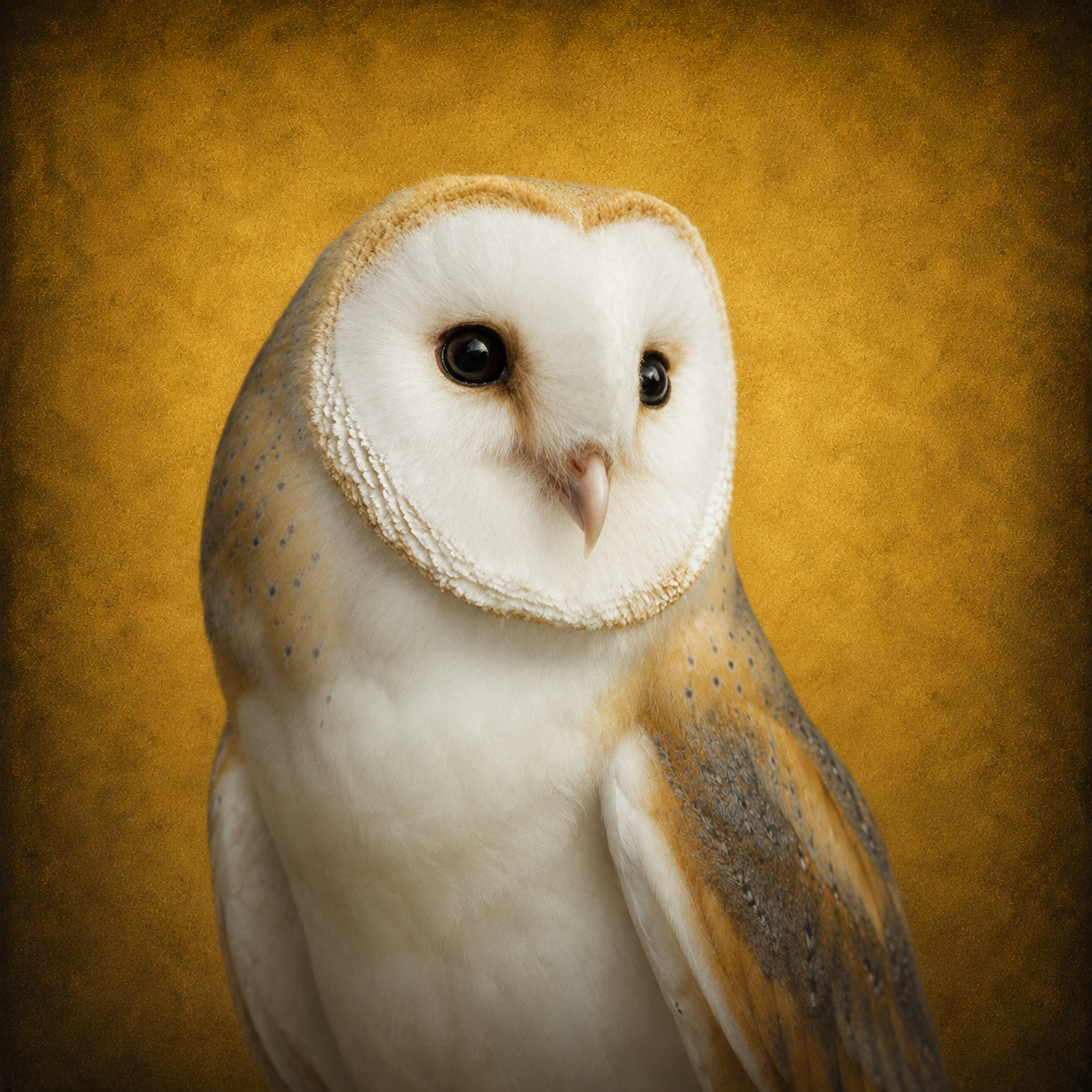


Enchantment
IPA Pronunciation: /ɪnˈtʃɑːnt.mənt/ (UK), /ɪnˈtʃænt.mənt/ (US)
Part of Speech: Noun
Origin
Enchantment belongs to the vocabularies of magic, fascination, wonder, and altered perception. It can refer literally to a magical spell or supernatural influence, but also to the state of being deeply delighted, captivated, or transported by something.
The two meanings are closer than they first appear.
A spell changes how the world behaves.
Figurative enchantment changes how the world feels.
The garden remains a garden.
The music is still sound.
The story is still ink on paper.
Yet something has shifted.
For a moment, the familiar world seems to contain something it had not previously revealed.
Enchantment begins when the familiar world seems to be keeping a secret.
Etymology
From Middle English: enchauntement
From Old French: encantement — magical spell or enchantment
From enchanter — to bewitch or charm
Ultimately from Latin incantare — to cast a spell upon, literally to chant or sing upon
The Latin root connects enchantment directly with voice and song.
Its earliest meanings concerned magical influence, sorcery, and the power of spells. Over time, the word expanded to include intense fascination and delight.
The magic became metaphorical.
The feeling of being under its influence remained.
Core Definitions
A Magical Spell or Influence
Supernatural power believed to affect a person, place, or object.
“The forest remained under an ancient enchantment.”
A State of Delight or Fascination
The experience of being deeply charmed or absorbed.
“The children listened in complete enchantment.”
A Quality That Captivates
An atmosphere or characteristic that makes something seem unusually beautiful, mysterious, or compelling.
“The garden retained its enchantment after dark.”
Explanation & Nuance
Enchantment implies:
- Captivation
- Altered perception
- Wonder or delight
- A loosening of ordinary expectations
It may be:
- Magical — an actual spell within myth or fantasy
- Emotional — powerful delight or fascination
- Literary — an atmosphere that transports the reader
- Aesthetic — beauty strong enough to hold attention
- Psychological — perception altered by admiration, longing, or imagination
Unlike wonder, enchantment usually holds attention after wonder has awakened it.
Unlike glamour, it need not depend upon beauty, status, or appearance.
Unlike fascination, it retains a stronger residue of magic.
Unlike illusion, enchantment does not have to deceive.
Something can enchant us even when we know exactly what it is.
Enchantment & Perception
Enchantment often changes nothing except attention.
A familiar forest at noon may seem ordinary.
Return at dusk. Hear wind moving through the leaves. Notice one distant light.
The same place can suddenly feel transformed.
Nothing supernatural has necessarily happened.
The transformation occurs in the relationship between observer and world.
This is why enchantment can emerge from:
- Light
- Music
- Landscape
- Story
- Ritual
- Memory
- Unexpected beauty
The thing remains itself.
We cease experiencing it in the ordinary way.
Enchantment & Imagination
Imagination gives enchantment somewhere to grow.
A staircase becomes a castle.
A wardrobe becomes a threshold.
An old object becomes a talisman because story, memory, or belief has gathered around it.
Literature depends upon this willingness.
Readers know the dragon is invented.
The dragon can still frighten them.
They know the enchanted forest is made of sentences.
They still enter it.
Enchantment is therefore not always a failure to distinguish reality from imagination.
Sometimes it is the deliberate pleasure of allowing imagination to enlarge reality temporarily.
Enchantment & Danger
Not every enchantment is benevolent.
Folklore and fantasy frequently use enchantment to:
- Conceal
- Seduce
- Bind
- Transform
- Distract
- Imprison
A beautiful place may make leaving difficult.
A spell may disguise danger.
A captivating person may weaken judgment.
This darker dimension survives in the phrase under someone’s spell.
Enchantment can deepen perception.
It can also overwhelm it.
That tension prevents the word from becoming merely decorative.
Enchantment in Literature
E. Nesbit helped establish a particularly enduring form of literary enchantment: magic entering ordinary domestic life. Carpets, amulets, wishes, houses, and children remain recognisable even while impossible events unfold around them.
J. R. R. Tolkien built enchantment through language, song, landscape, memory, and deep history. Middle-earth feels enchanted not simply because spells exist, but because every road and name seems to belong to something older than the immediate story.
C. S. Lewis repeatedly uses thresholds into other worlds—wardrobes, doors, distant countries, talking animals—to make familiar reality feel less complete than it first appeared.
In each case, enchantment does more than add magic.
It enlarges the reader’s sense of what the world might contain.
Experiential Dimension
Enchantment can evoke:
- Wonder — ordinary reality becoming extraordinary
- Delight — pleasure deep enough to absorb attention
- Stillness — reluctance to disturb the moment
- Longing — wanting the experience to continue
- Mystery — sensing more than can be explained
- Unease — wondering whether fascination is hiding something
It often feels like the world has briefly remembered a secret it normally keeps to itself.
Symbolic Dimensions
- Moonlit Forest — familiarity altered by atmosphere
- Open Door — entry into another order of experience
- Song — enchantment’s ancient linguistic root
- Glowing Object — ordinary matter carrying extraordinary significance
- Veil — perception transformed
- Circle of Light — temporary separation from ordinary reality
Enchantment symbolizes magic, fascination, imagination, and the transformation of perception through story, beauty, mystery, or belief.
Synonyms & Near-Relations
- Charm — pleasing or magical attraction
- Fascination — intense captivation
- Spell — supernatural influence
- Bewitchment — magical or overwhelming attraction
- Delight — deep pleasure
- Allure — powerful attraction
- Captivation — complete absorption of attention
(Only enchantment fully combines magical influence with the emotional experience of being captivated and made to perceive the world differently.)
Conceptual Relations
- Glamour — enchantment’s close relative, where altered perception becomes attraction
- Wonder — often the first response before fascination takes hold
- Imagination — gives ordinary things possibilities beyond what is visibly present
- Incantation — spoken language intended to produce the magical influence enchantment describes
- Talisman — an object imagined or believed to carry unusual power or protection
- Discernment — what fascination needs when enchantment begins to conceal as much as it reveals
Takeaway
Enchantment names the moment familiarity becomes insufficient—
the forest deepening,
the song holding the room,
the ordinary object
suddenly carrying
more than itself.
It reminds us that wonder
does not require ignorance,
that imagination can enlarge
experience without replacing reality,
and that attention alone
can sometimes transform
the world we thought
we already knew.
In literature, enchantment is the familiar world opening slightly—
the threshold crossed,
the spell spoken,
the impossible accepted,
and the reader returning afterward
with the suspicion
that reality may contain
one more layer
than before.
Enchantment begins when the familiar world seems to be keeping a secret.
Related Individuals & Events
Explore the people and events in History Nook whose work and legacy echo this word:
William Blake — The Visionary Poet Who Transformed the Imagination of English Literature
Blake turns enchantment into vision: the ordinary world charged with symbols, spiritual intensity, and the sense that reality contains more than the eye first sees.
Sir Walter Scott — The Writer Who Taught the Past to Live Again
Scott creates enchantment through legend, landscape, memory, and antiquity, making vanished worlds feel vivid enough to step back into.
Publication of Grimms’ Fairy Tales, Volume I — The Book That Gave English Its Mythic Grammar
Few works gather enchantment so completely: spells, curses, transformations, enchanted forests, strange helpers, and the unsettling logic of fairy tale.

Leave a Reply