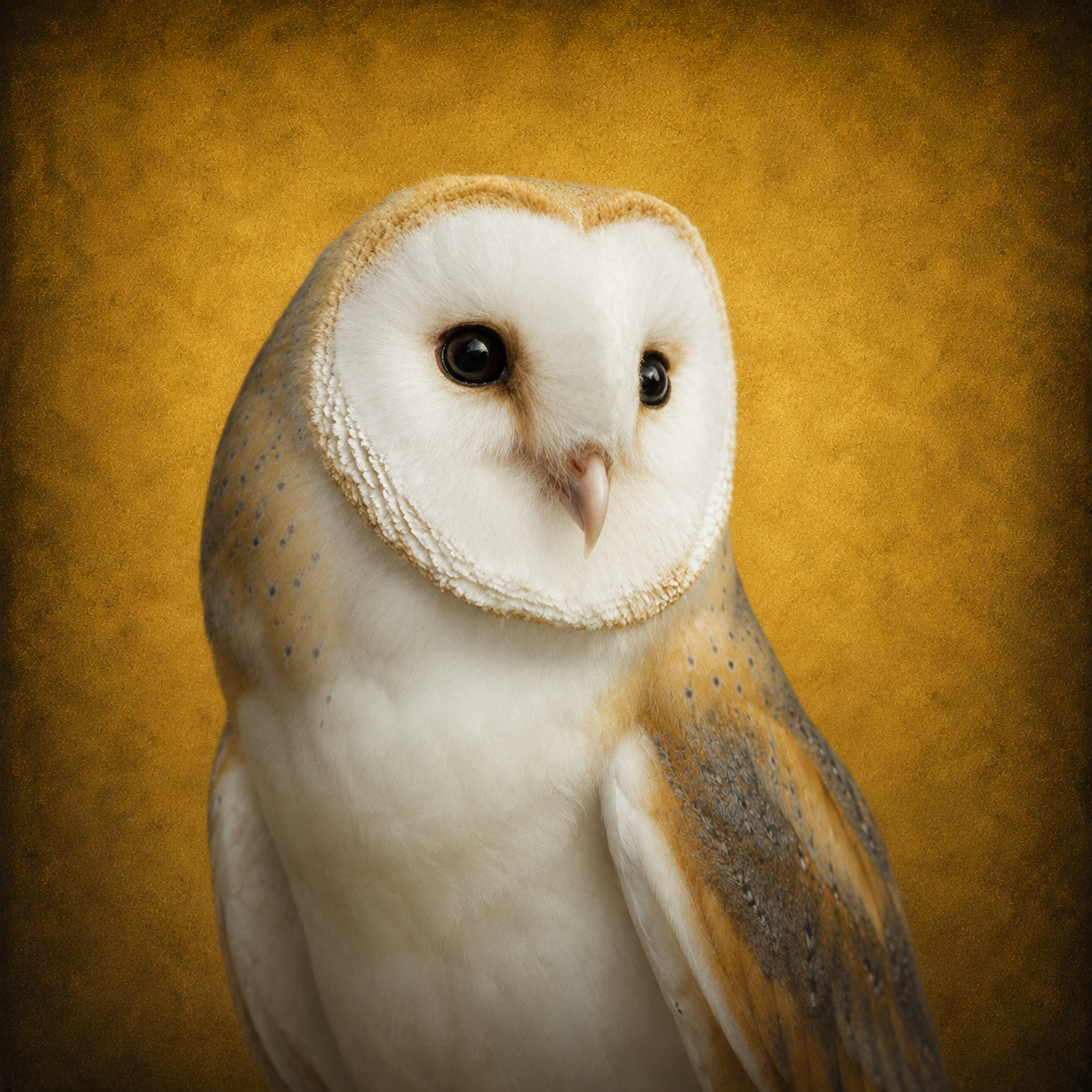


Wildness
IPA Pronunciation: /ˈwaɪld.nəs/
Part of Speech: Noun
Origin
Wildness belongs to the vocabularies of nature, freedom, instinct, and unrestrained life. It refers to the quality of being wild: uncultivated, undomesticated, uncontrolled, or governed by forces beyond ordinary human command.
The word may describe a forest, animal, storm, landscape, emotion, or part of the human spirit.
Wildness does not necessarily mean chaos. A wilderness may possess intricate patterns, ancient relationships, and forms of order that exist without human design.
It suggests life following its own laws.
Wildness is life refusing to ask permission.
Etymology
From wild and the noun-forming suffix -ness
From Old English: wilde — untamed, uncultivated, or living freely in nature
The suffix -ness expresses a state, condition, or quality.
Wildness therefore names the condition of being wild: beyond domestication, cultivation, restraint, or complete control.
Its history joins the untamed landscape with the equally untamed impulse—the part of existence that remains resistant to fences, rules, and prediction.
Core Definitions
The Quality of Being Untamed
The condition of existing outside domestication, cultivation, or close human control.
“The valley retained a wildness that no road could erase.”
Unrestrained Behaviour or Emotion
Energy, passion, or conduct that escapes ordinary limits.
“There was a sudden wildness in her laughter.”
Natural Roughness or Remoteness
The character of a landscape shaped primarily by natural forces.
“The wildness of the coast drew travellers north.”
Explanation & Nuance
Wildness implies:
- Freedom from control
- Instinctive energy
- Unpredictability
- Life beyond imposed order
It may be:
- Natural — forests, mountains, seas, or animals
- Emotional — powerful feeling without restraint
- Personal — independence or refusal to conform
- Literary — a symbol of freedom, danger, or transformation
- Spiritual — contact with something larger than civilisation
Unlike wilderness, which usually names a place, wildness names a quality.
Unlike chaos, it may contain its own natural order.
Unlike savagery, it does not necessarily imply brutality.
Unlike freedom, wildness carries greater uncertainty. It offers release from control, but not protection from consequence.
Wildness is attractive partly because it cannot be made entirely safe.
Natural & Human Dimension
In nature, wildness appears wherever life develops beyond deliberate human arrangement.
It lives in:
- Forests reclaiming abandoned ground
- Rivers altering their courses
- Animals following inherited instincts
- Storms crossing borders without recognition
- Seeds taking root in stone
- Coastlines reshaped by wind and sea
Human beings often admire wildness while attempting to contain it.
We build paths through forests, walls against water, gardens from untended ground, and rules around powerful emotion.
Yet something in us continues to recognise the value of what has not been completely subdued.
Wildness reminds civilisation that control is never absolute.
Poetic & Literary Use
Wildness is a powerful literary word because it may appear as both liberation and danger.
A writer may use it literally:
“The moor possessed a bleak and beautiful wildness.”
or metaphorically:
“Grief returned with all its former wildness.”
It often appears in writing about:
- Nature
- Passion
- Solitude
- Rebellion
- Childhood
- Desire
- Storms
- Freedom
- Fear
- Transformation
In literature, wild landscapes frequently reveal what controlled society conceals.
A character who enters the forest, moor, mountain, or open sea may lose familiar protections but encounter a more instinctive self.
The wild place becomes both setting and test.
It strips away certainty.
Wildness in Literature
Wildness is especially important in Romantic, Gothic, and nature writing.
It may represent:
- Nature resisting human mastery
- Emotion exceeding social restraint
- A character rejecting convention
- Beauty inseparable from danger
- The unknown beyond the cultivated world
In the work of Emily Brontë, wildness belongs both to the landscape and to the people shaped by it. The moors are not decorative scenery. Their openness, severity, and unpredictability echo lives that cannot be contained comfortably within social boundaries.
Wildness therefore becomes more than freedom.
It becomes identity without domestication.
Experiential Dimension
Wildness can evoke:
- Exhilaration — release from ordinary limits
- Wonder — encountering life beyond human design
- Fear — facing what cannot be controlled
- Longing — desiring escape from confinement
- Humility — recognising forces greater than oneself
- Vitality — feeling life in its most immediate form
It often feels like standing where the path ends and the world continues without it.
Symbolic Dimensions
- Open Moor — freedom and exposure
- Untamed Horse — instinctive power
- Storm — energy beyond command
- Overgrown Ruin — nature reclaiming control
- Unmarked Path — possibility without guidance
- Howling Wind — a voice outside human language
Wildness symbolizes freedom, instinct, danger, vitality, and the enduring resistance of life to complete control.
Synonyms & Near-Relations
- Untamedness — freedom from domestication or control
- Wilderness — uncultivated natural land
- Ferocity — intense or violent force
- Lawlessness — absence of imposed rules
- Freedom — ability to act without restraint
- Naturalness — condition of remaining unforced
- Abandon — freedom from self-conscious restraint
(Only wildness fully combines untamed nature, instinctive freedom, unpredictability, and the possibility of both beauty and danger.)
Conceptual Relations
- Nature — primary expression
- Freedom — central attraction
- Instinct — inner force
- Danger — unavoidable companion
- Control — defining opposition
- Identity — what may emerge without restraint
Takeaway
Wildness names the life that exceeds the boundary—
the forest beyond the path,
the river beyond its banks,
the feeling too large
for the shape assigned to it.
It reminds us that not everything living
was made to be controlled,
that freedom carries uncertainty,
and that beauty may become most powerful
where order
can no longer contain it.
In literature, wildness is the world without permission—
the moor beneath the storm,
the untamed heart,
the path disappearing into distance,
and the call of something
that may never become safe
without ceasing
to be free.
Wildness is life refusing to ask permission.
Leave a Reply