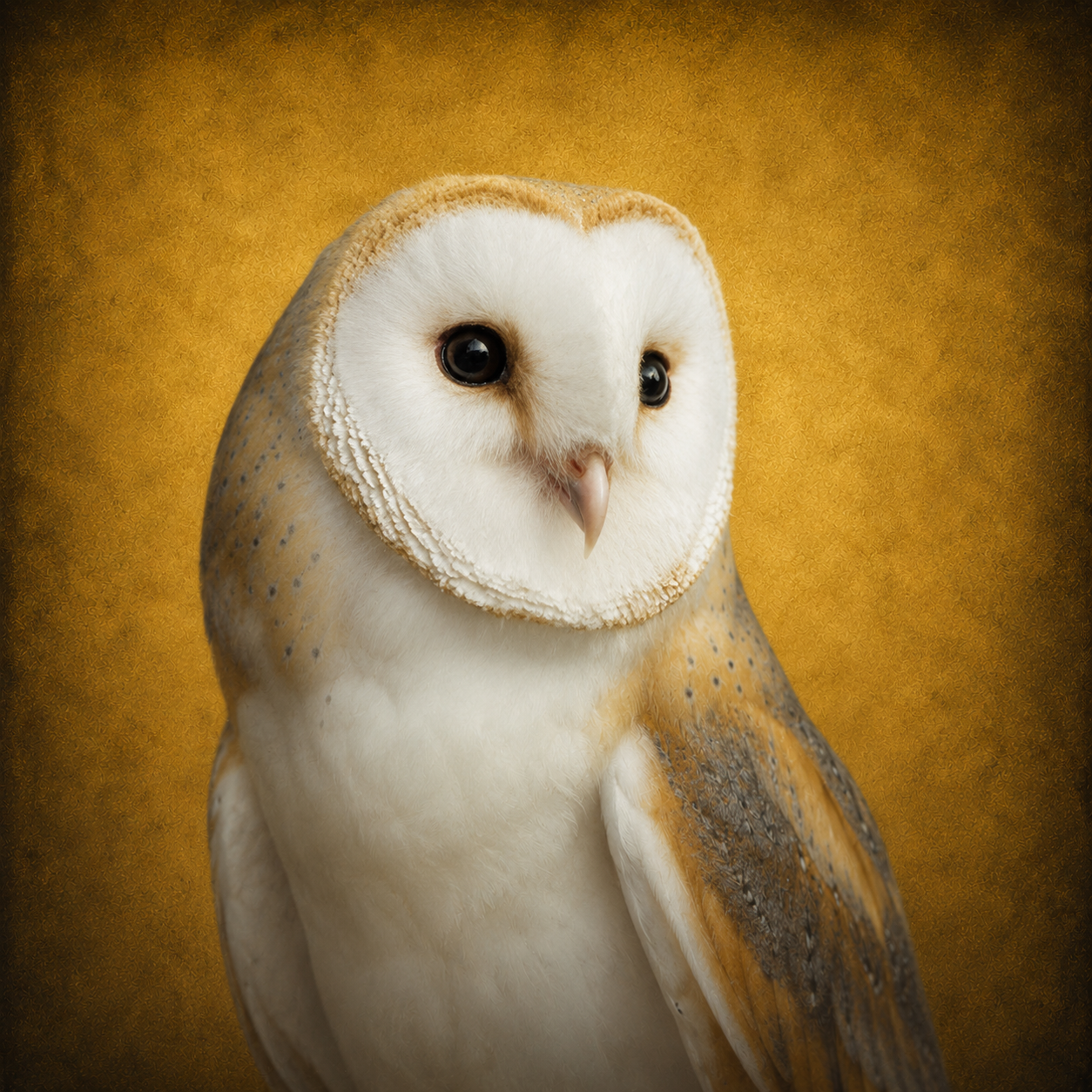


Aviary
IPA Pronunciation: /ˈeɪ.vi.ər.i/
Part of Speech: Noun
Origin
Aviary belongs to the vocabularies of birds, enclosure, observation, and natural beauty. It refers to a large cage, structure, or enclosed space in which birds are kept, usually with enough room to fly among branches, perches, plants, and water.
Unlike an ordinary cage, an aviary is designed as an environment rather than merely a container. It may shelter many birds together and recreate parts of their natural habitat.
Yet the word carries an unavoidable tension.
An aviary offers movement, shelter, and song—but not the open horizon.
It suggests freedom measured within boundaries.
An aviary gives wings a world, but not a horizon.
Etymology
From Latin: aviarium — a place for keeping birds
From aviarius — relating to birds
From avis — bird
The word entered English in the late 16th century.
Its earliest uses referred to places where birds were housed and displayed, particularly in gardens, estates, and private collections.
Over time, aviaries also became associated with scientific observation, breeding, rehabilitation, public education, and conservation.
Core Definitions
A Large Enclosure for Birds
A spacious cage or enclosed structure in which birds can fly and move among perches.
“Bright finches moved freely through the aviary.”
A Collection of Birds
By extension, the group of birds housed together within such an enclosure.
“The estate maintained an aviary of rare species.”
Explanation & Nuance
Aviary implies:
- Multiple birds
- Room for movement
- Observation and care
- An environment shaped for avian life
It may be:
- Ornamental — part of a garden or estate
- Zoological — a public bird enclosure
- Scientific — used for observation or breeding
- Conservational — protecting vulnerable species
- Literary — a symbol of beauty, voice, or confined freedom
Unlike a cage, an aviary is usually larger and may contain vegetation, nesting spaces, water, and open flight areas.
Unlike a dovecote, it is not limited to pigeons or doves.
Unlike a menagerie, it is devoted specifically to birds.
An aviary may feel spacious.
Its spaciousness, however, is always measured against the sky.
Historical Dimension
Aviaries appeared in ancient and medieval gardens, but became especially prominent in royal estates, botanical gardens, and private collections during the early modern period.
They displayed:
- Songbirds
- Parrots
- Peacocks
- Finches
- Doves
- Pheasants
- Exotic species brought through trade and exploration
For wealthy owners, an aviary could signify refinement, curiosity, and access to distant regions.
Later, public zoological gardens transformed the aviary from a private display into a place of education and scientific observation.
Modern aviaries may also support rehabilitation, breeding programs, and conservation, giving the enclosure a protective purpose beyond spectacle.
Poetic & Literary Use
Aviary is a richly visual and musical word.
A writer may use it literally:
“Morning light entered the aviary through its woven roof.”
or metaphorically:
“Her memory was an aviary of restless voices.”
It often appears in writing about:
- Song
- Freedom
- Beauty
- Captivity
- Memory
- Color
- Migration
- Longing
- Voice
Because an aviary contains many birds, it can suggest a chorus of separate lives gathered into one space.
Yet it may also evoke restriction.
The birds sing, move, and display their beauty, but the horizon remains beyond reach.
Aviary in Literature
In literature, an aviary may represent both protection and confinement.
It can symbolize:
- A safe place separated from danger
- A beautiful world governed by invisible limits
- A society filled with competing voices
- A mind crowded with thoughts
- A life admired by others but lacking freedom
An empty aviary may suggest departure, silence, or loss.
A crowded aviary may suggest vitality, noise, and restless movement.
An open door may represent liberation—or the frightening uncertainty that follows it.
This double meaning gives the word its emotional depth.
Experiential Dimension
An aviary can evoke:
- Wonder — seeing many species together
- Delight — hearing layered birdsong
- Calm — watching birds move among branches
- Unease — recognizing the limits of enclosure
- Longing — imagining the sky beyond
It often feels like standing inside a fragment of nature carefully rebuilt by human hands.
Symbolic Dimensions
- Woven Roof — invisible limitation
- Open Wings — movement within boundaries
- Many Voices — diversity and community
- Empty Perch — absence
- Unlatched Door — escape or release
- Birdsong — beauty surviving confinement
Aviary symbolizes beauty, voice, protection, captivity, and the uneasy difference between having room to move and being truly free.
Synonyms & Near-Relations
- Bird enclosure — space designed for keeping birds
- Cage — structure restricting movement
- Dovecote — shelter for pigeons or doves
- Birdhouse — small nesting shelter
- Menagerie — collection of varied animals
- Sanctuary — protected place for wildlife
- Conservatory — enclosed space that may contain plants and birds
(Only aviary fully combines birds, spacious enclosure, collective song, observation, and the tension between shelter and freedom.)
Conceptual Relations
- Bird — defining inhabitant
- Flight — natural impulse
- Song — characteristic atmosphere
- Boundary — central tension
- Sky — freedom beyond enclosure
- Protection — possible purpose
Takeaway
Aviary names the enclosure filled with wings—
the branches arranged,
the water placed,
the air made wide enough
for flight,
but not departure.
It reminds us that protection and freedom
are not always the same,
that beauty may flourish
within carefully tended limits,
and that even the largest enclosure
remains smaller
than the sky.
In literature, an aviary is a world of voices beneath a boundary—
the bright feather,
the restless wing,
the song that rises
beyond the place
where the bird itself
cannot go.
An aviary gives wings a world, but not a horizon.

Leave a Reply