

Fable
IPA Pronunciation: /ˈfeɪ.bəl/
Part of Speech: Noun (and Verb, rare)
Origin
Fable belongs to the vocabularies of storytelling, wisdom, imagination, and moral instruction. It refers to a brief narrative—often featuring animals, plants, or objects that speak and act like humans—which reveals a moral truth or practical lesson.
Unlike myth, which seeks to explain the world, or the fairy tale, which delights in enchantment, the fable illuminates human character through simplicity and allegory.
It suggests that the deepest truths often travel in the smallest stories.
A fable is truth wearing the mask of a story.
Etymology
From Old French: fable
From Latin: fabula — story, conversation, narrative
The Latin fabula also gave English words such as fabulous and fabulation, all rooted in the human impulse to tell stories.
The word has remained remarkably stable in English since the 14th century.
Core Definitions
A Short Moral Story
A brief narrative, often featuring talking animals or personified objects, that teaches a lesson.
“The tortoise and the hare is one of the best-known fables.”
A Fictional or Legendary Account
An invented story that may not be literally true.
“The rumor became little more than a fable.”
(Rare) A Fabricated Story
A tale invented to deceive or entertain.
Explanation & Nuance
Fable differs from related narrative forms.
It implies:
- Brevity
- Moral purpose
- Symbolic characters
- Universal human truths
It may be:
- Literary — classical moral tales
- Educational — teaching children
- Philosophical — illustrating ethical ideas
- Poetic — symbolic explorations of life
A fable is less concerned with what happened than with what it means.
Literary Dimension
The classical tradition of the fable is inseparable from Aesop, whose stories became foundational to English moral literature.
Later writers such as Jean de La Fontaine adapted and expanded the tradition, while English authors incorporated fables into children’s literature, sermons, political satire, and poetry.
The form has endured for more than two millennia because its simplicity allows its wisdom to travel effortlessly across generations.
Poetic & Literary Use
Fable is one of the great literary words in English.
A poet may use it literally:
“The old woman recited a forgotten fable.”
or metaphorically:
“Their love became a fable remembered by the village.”
It often appears in writing about:
- Wisdom
- Childhood
- Morality
- Memory
- Nature
- Imagination
- Innocence
- Tradition
- Identity
- Truth
Unlike parable, which often carries explicit religious or philosophical teaching, the fable delights in playful symbolism while remaining profoundly instructive.
Fable in Poetry
Poets cherish the fable because it unites imagination with meaning.
Within a fable:
- Animals reveal human virtues and flaws.
- Nature becomes a teacher.
- Small events embody universal truths.
- Ordinary language carries enduring wisdom.
Many modern poems preserve the spirit of the fable even without ending in an explicit moral.
Experiential Dimension
A fable can evoke:
- Wonder — familiar creatures finding a voice
- Reflection — hidden lessons beneath simple events
- Comfort — remembered childhood stories
- Wisdom — enduring truths made memorable
- Delight — elegance through simplicity
It often feels like hearing an old truth for the very first time.
Symbolic Dimensions
- Fox — cunning
- Lion — strength
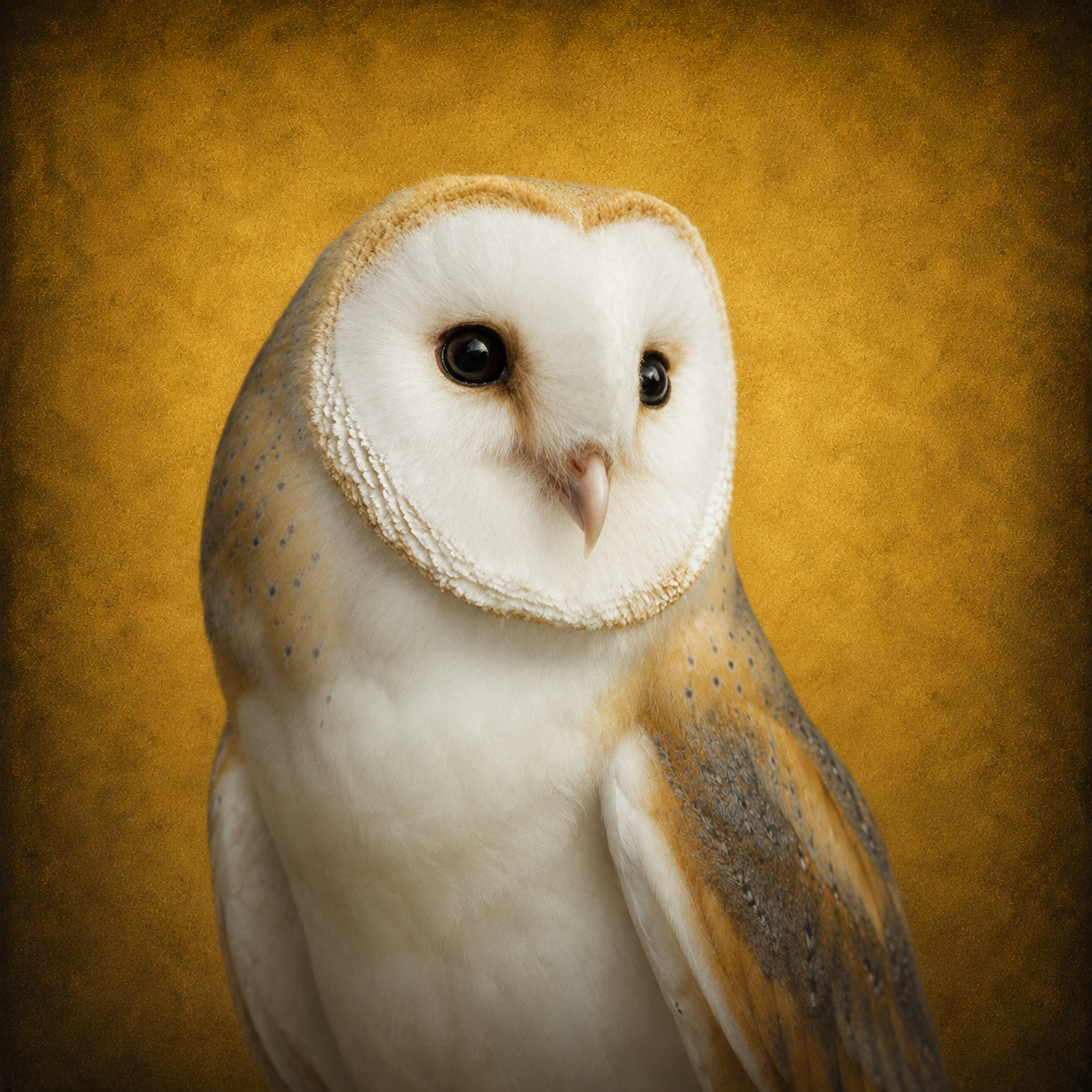
- Owl — wisdom
- Ant — diligence
- Wolf — appetite
- Tortoise — perseverance
- Hare — overconfidence
In the world of the fable, every creature becomes a mirror in which humanity quietly recognizes itself.
Synonyms & Near-Relations
- Allegory — extended symbolic narrative
- Parable — moral or spiritual story
- Fairy tale — magical folk narrative
- Myth — sacred or origin story
- Folktale — traditional oral narrative
(Only fable fully combines brevity, talking animals, moral instruction, and enduring symbolic clarity.)
Conceptual Relations
- Story — defining form
- Wisdom — central purpose
- Allegory — governing technique
- Morality — traditional conclusion
- Imagination — narrative vehicle
Cultural & Intellectual Resonance
Literature
From Aesop to Jean de La Fontaine and countless later authors, fables have shaped children’s literature, satire, philosophy, and moral education across cultures.
Education
Because they are concise, memorable, and emotionally engaging, fables have long been used to teach ethical reasoning and practical judgment.
Philosophy
A fable reminds us that truth need not be abstract. A simple story can illuminate principles more deeply than argument alone.
Poetry
The form continues to inspire poets who seek to compress profound insight into vivid symbolic narratives.
Takeaway
Fable names the story that teaches without preaching—
the fox that exposes vanity,
the tortoise that rewards perseverance,
the talking creatures
through whom people quietly discover themselves.
It reminds us that wisdom often speaks most clearly through imagination,
that simple stories can outlive complex theories,
and that truth
sometimes arrives
wearing
the gentle disguise
of a tale.
In poetry, a fable is a small lantern carried through generations—
a story whose light never depends on its length,
where every creature
has a voice,
every journey
holds a lesson,
and every ending
leaves the reader
a little wiser
than the beginning.
A fable is truth wearing the mask of a story.

Leave a Reply