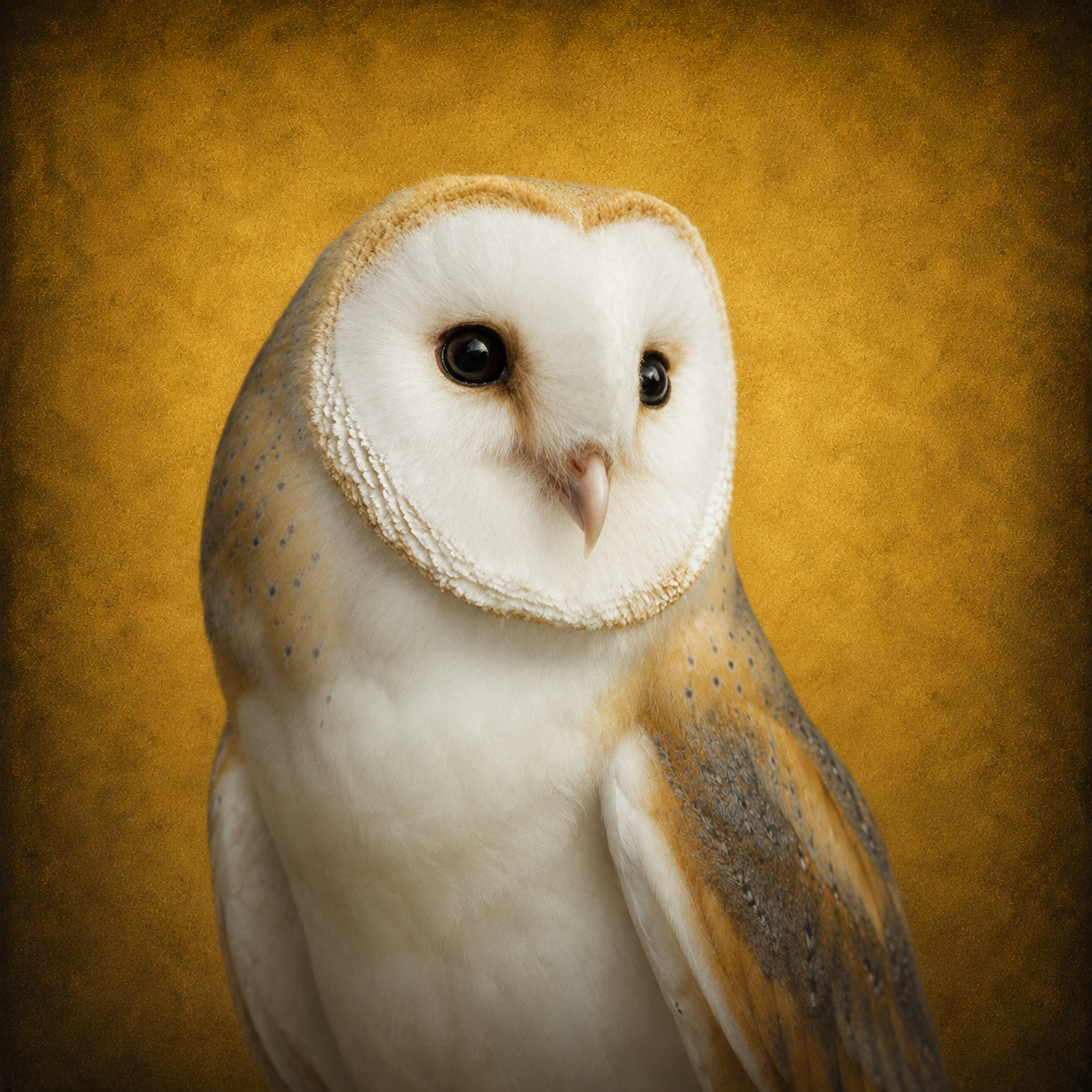

Nurture

IPA Pronunciation: UK /ˈnɜːtʃə/ · US /ˈnɜːrtʃər/
Part of Speech: Noun & Verb
Origin
A newborn needs more than a warm room. A young reader needs more than a book on a table. A garden needs more than seeds. Nurture is the sustained attention that helps a living thing develop, grow, or flourish.
On World Prematurity Day, November 15, nurture is an especially fitting word. Care for infants born too soon may continue well beyond a hospital stay. Families and care teams support growth and development in ways that remind us nurture is not a single moment of kindness but an ongoing relationship.
Etymology
Nurture came into English from Old French nourriture and related forms, connected with Latin nutrire, “to nourish” or “feed”. The original ideas of nourishment and upbringing gradually widened to include education, emotional support, and favourable conditions for growth.
The movement from feeding to upbringing explains why nurture can refer to both physical needs and the development of confidence or ability. English speakers also use it for work that requires time: nurturing a friendship, a new idea or a talent. In these uses, the word retains a trace of nourishment even when no literal food is involved.
Core Definitions
- Care and upbringing: the attention given to a child during development. “Their grandparents took a large part in the child’s nurture.”
- Encouragement of growth: helping abilities, talents, or qualities develop. “The school aims to nurture curiosity.”
- As a verb: to support, cultivate, or help something grow. “She nurtured an interest in languages.”
Meaning & Distinctions
Nurture is not identical to nature. In discussions of development, “nature and nurture” contrasts inherited or biological factors with environmental influences, though real development involves their interaction. Nurture also differs from indulgence: thoughtful care may require boundaries, patience, and opportunities to become independent.
Nurture should not become a sentimental word that hides difficult realities. Supportive environments depend on resources, knowledge, reliable people, and appropriate healthcare. A family may offer deep affection while needing professional help or social support. The word is strongest when it names an active commitment rather than a vague feeling.
In History & Literature
The language of nurture appears in education, parenting, medicine, and literature. Stories of childhood often ask who provides care, who fails to do so, and how a person grows despite that absence. Victorian fiction frequently placed children in settings where nourishment and affection were either hard-won or denied, making nurture a moral as well as practical concern.
Usage Notes
- “Nurture a talent” means encourage its development.
- “Nurturing environment” describes conditions that support growth.
- “Nature versus nurture” is a familiar expression, though the relationship is not a simple either/or.
Experiential Dimension
The evidence of nurture is often almost invisible: the extra story at bedtime, the calm repetition of a difficult lesson, the appointment made and kept. Such acts do not demand a dramatic scene, but together they change what becomes possible. Literature can show this through ordinary behaviour. A character who offers praise once is not necessarily nurturing; another who returns consistently may be.
Conceptual Relations
Compare Empathy, a capacity for understanding others, and Comfort, which may be one part of nurture but does not encompass its entire duration.
Historical Connections
Nineteenth-century fiction frequently asked what happens when children lack dependable care. Dickens exposed the vulnerability of children within institutions and poverty; Elizabeth Gaskell attended closely to household and social responsibility; Beatrix Potter shaped stories around curiosity, boundaries and the living environment. Their works illuminate different sides of the word without reducing nurture to sentiment.
Nurture Across the Years
Picture a family helping a child learn to read. The first step is providing a book; later steps involve finding time, listening patiently, noticing progress, and allowing mistakes. The single gift may be generous, but the longer process is nurture. This is why the verb often appears with qualities that take time to develop: confidence, curiosity, skill, and trust. The result cannot always be forced, but an environment can make growth more possible. On World Prematurity Day, the same emphasis on continuity helps explain why follow-up care matters. For some infants born prematurely, support extends beyond the early clinical crisis into monitoring, development, and family life. Nurture is not a substitute for medical care or a guarantee of outcomes; it names the broader human commitment surrounding care. Its Latin ancestry in nourishment remains surprisingly apt when we speak of both bodies and minds.
Nurture Is More Than Affection
Affection can be spontaneous; nurture usually asks for continuity. It involves providing suitable conditions, recognising needs that change with age, and sometimes allowing independence instead of intervening. A teacher may nurture curiosity by inviting questions rather than supplying every answer. A caregiver may nurture confidence by offering dependable support while allowing a child to practise a new skill.
The familiar contrast between nature and nurture has sometimes been framed as a contest between biology and environment. Real development is shaped by their interaction. The word is most useful when it points to the conditions and relationships through which growth takes place.
Care Beyond the Hospital Door
World Prematurity Day is observed on November 15 from 2026 under the World Health Organization calendar, after being widely associated with November 17. Its 2026 focus is follow-up care for babies born too soon: support that continues after neonatal intensive care and includes families, health assessments and developmental monitoring where needed.
That emphasis suits nurture especially well. A discharge is a milestone, not the end of a story. Care involves professionals and families, but it also depends on access, information and practical help. Nurture is not a claim that love alone can overcome every medical difficulty. It names the sustained human attention surrounding a child’s development and the responsibility to make that attention possible.
Takeaway
A seedling grows because someone notices when it needs water, light, or shelter. Human nurture is more complex, but the same principle of attentive care survives in the word. Nurture is not simply affection expressed once; it is patience repeated across ordinary days. Families, teachers, neighbours, and communities can all help someone develop confidence and ability. The results may take years to become visible, and the person receiving care will not remain unchanged. To nurture is to make growth possible while recognising that growth has a direction of its own.
To nurture is to make growth possible through care that continues.
Related Individuals
Continue through these published History Nook entries connecting the word to language, people and events:
Charles Dickens — Children and Moral Responsibility
His fiction examined what happens when childhood needs are ignored or entrusted to inadequate institutions.
Elizabeth Gaskell — Households and Human Care
Her narratives connect domestic responsibility with wider social conditions.
Beatrix Potter — The Child and the Living World
Her stories celebrate curiosity while recognising the boundaries and responsibilities of care.


Leave a Reply