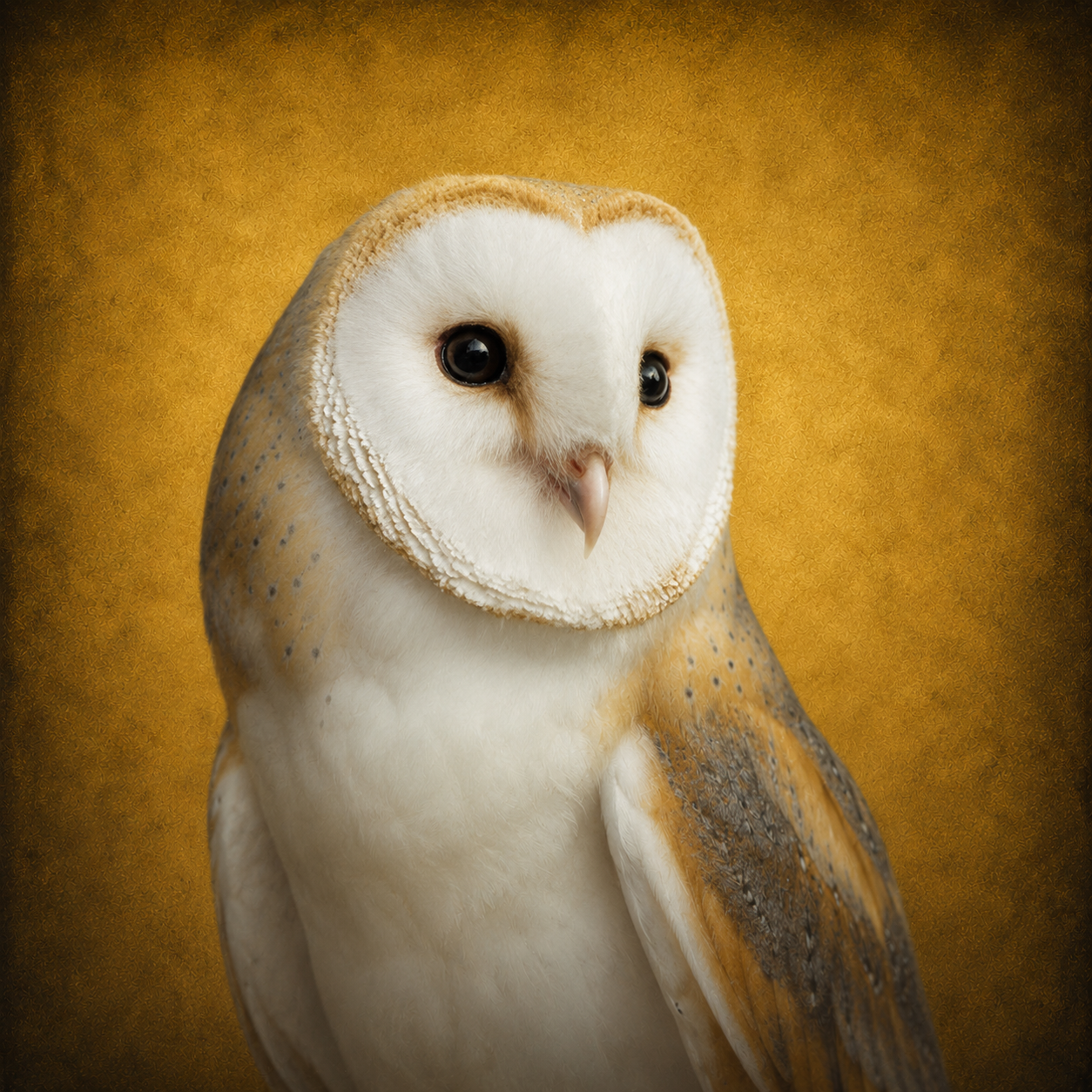


Playfulness
IPA Pronunciation: /ˈpleɪ.fəl.nəs/
Part of Speech: Noun
Origin
Playfulness belongs to the vocabularies of humour, curiosity, imagination, and freedom. It refers to a lively willingness to joke, experiment, improvise, or approach something with lightness rather than rigid seriousness.
It may appear in conversation, art, movement, language, affection, design, or thought.
Playfulness does not mean that nothing matters.
Often, it means feeling secure enough to loosen the rules for a moment—to test an idea, twist a familiar phrase, follow an unexpected possibility, or enjoy something without demanding that it immediately prove its usefulness.
It is seriousness temporarily giving possibility more room.
Playfulness is curiosity unafraid of looking foolish.
Etymology
From playful + -ness
Playful combines play with the suffix -ful, meaning characterised by or full of something.
Play descends from Old English plega and related forms associated with games, movement, recreation, exercise, and lively activity.
The suffix -ness turns the adjective into a noun describing a state or quality.
Playfulness therefore names the quality of being inclined toward play—whether physically, verbally, socially, or imaginatively.
Core Definitions
A Light-Hearted or Amusing Quality
A tendency toward humour, teasing, or cheerful behaviour.
“There was a familiar playfulness in her reply.”
A Willingness to Experiment
An open, flexible attitude that explores possibilities without excessive fear of error.
“The design succeeds because of its visual playfulness.”
Lively or Affectionate Behaviour
Gentle teasing, joking, or energetic interaction.
“The puppies’ playfulness filled the room.”
Explanation & Nuance
Playfulness implies:
- Lightness
- Curiosity
- Experimentation
- Freedom from rigid expectation
It may be:
- Social — teasing, joking, improvising
- Creative — experimenting with form or convention
- Linguistic — puns, wordplay, unexpected phrasing
- Physical — lively movement and games
- Intellectual — exploring an idea without prematurely fixing its outcome
Unlike frivolity, playfulness does not necessarily imply lack of seriousness.
Unlike humour, it need not produce laughter.
Unlike mischief, it does not require disruption.
Unlike carelessness, it can coexist with considerable skill and attention.
Playfulness loosens structure without abandoning it.
Creative & Intellectual Dimension
Playfulness is one of creativity’s quiet engines.
A rigid mind asks:
What is the correct answer?
A playful mind may first ask:
What happens if I try this?
That small difference permits experimentation.
Words can be rearranged. Rules can be temporarily inverted. Familiar objects can acquire unfamiliar uses. An apparently foolish attempt may reveal a solution that disciplined reasoning alone would never have approached.
Playfulness therefore creates a protected space for failure.
Not every experiment must succeed.
That is precisely why some of them can become discoveries.
Playfulness & Craft
Playfulness becomes especially powerful when joined with craft.
A beginner may break a rule accidentally.
A skilled artist may break it deliberately because they understand what the rule was doing in the first place.
The same is true of language.
Writers can bend syntax, invent words, create double meanings, misdirect expectations, or allow sound itself to become part of the joke.
The result may feel effortless.
But sophisticated play often depends upon considerable control.
Freedom becomes richer when it knows what it is free from.
Poetic & Literary Use
Literature has always made room for play.
A writer may use the word directly:
“A sudden playfulness entered the otherwise solemn poem.”
But playfulness is more often something a work does.
It appears through:
- Puns
- Riddles
- Verbal misdirection
- Comic exaggeration
- Invented words
- Unexpected comparisons
- Narrative games
- Changes of voice
Shakespeare repeatedly turns language into a field of play, using puns, double meanings, mistaken identities, and verbal contests.
Lewis Carroll pushes linguistic play even further, allowing logic, nonsense, and word invention to collide until language itself becomes part of the adventure.
Their playfulness is not empty decoration.
It reveals how flexible meaning can be.
Social Dimension
Playfulness also changes relationships.
A private joke creates intimacy. Gentle teasing can signal trust. Shared absurdity briefly suspends ordinary roles and lets people meet without the full weight of formality.
Yet playfulness depends upon sensitivity.
A joke enjoyed by both people can create closeness.
The same joke imposed upon someone who is uncomfortable becomes something else.
True playfulness therefore involves responsiveness.
The invitation matters as much as the game.
Experiential Dimension
Playfulness can evoke:
- Joy — pleasure without immediate purpose
- Curiosity — willingness to explore
- Freedom — temporary release from rigid expectation
- Connection — shared humour or improvisation
- Surprise — discovering an unexpected possibility
- Courage — risking small failures without shame
It often feels like discovering that a rule was a door rather than a wall.
Symbolic Dimensions
- Spinning Top — motion for the joy of motion
- Open Gate — permission to explore
- Jester’s Bell — humour disturbing solemnity
- Puzzle Piece — experimentation
- Paper Plane — purpose temporarily replaced by delight
- Improvised Path — possibility discovered through wandering
Playfulness symbolizes curiosity, freedom, imagination, and the willingness to explore beyond what is merely necessary.
Synonyms & Near-Relations
- Lightheartedness — cheerful lack of heaviness
- Mischievousness — playful tendency toward minor disruption
- Whimsy — fanciful or charming unpredictability
- Humour — quality that creates amusement
- Frolic — lively playful activity
- Levity — lightness within a serious context
- Spontaneity — acting without excessive preparation
(Only playfulness fully combines lightness, experimentation, humour, curiosity, and the willingness to treat possibility as something worth playing with.)
Conceptual Relations
- Curiosity — its invitation
- Imagination — its territory
- Humour — frequent expression
- Craft — what gives it control
- Freedom — what allows it to flourish
- Discovery — possible consequence
Takeaway
Playfulness names the freedom to try without demanding certainty—
the word rearranged,
the rule bent,
the ridiculous possibility
allowed one more moment
before dismissal.
It reminds us that usefulness
is not the only path to discovery,
that mastery need not become solemnity,
and that some of our best ideas
arrive only after
we stop insisting
that every attempt
must succeed.
In literature, playfulness is language discovering that it can dance—
the pun unfolding,
the expectation overturned,
the invented word appearing,
and meaning becoming larger
because someone
was willing
to play with it.
Playfulness is curiosity unafraid of looking foolish.


Leave a Reply