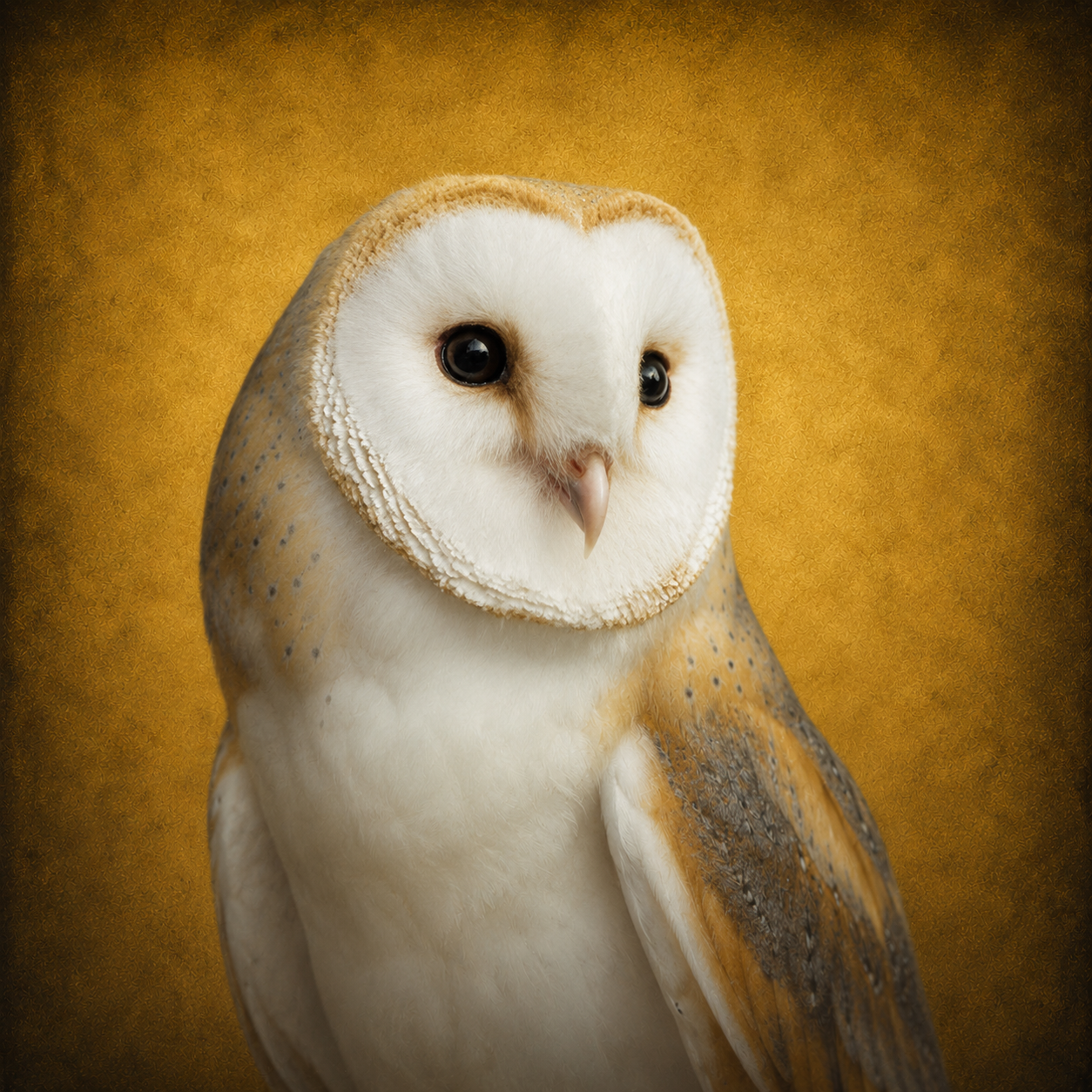


Guile
IPA Pronunciation: /ɡaɪl/
Part of Speech: Noun
Origin
Guile belongs to the vocabularies of cunning, deception, diplomacy, and human character. It denotes cleverness employed through trickery, concealment, or subtle manipulation to achieve a desired end.
Unlike brute force, guile works indirectly. It succeeds not through strength, but through strategy; not through open confrontation, but through persuasion, misdirection, and disguise.
It suggests intelligence that moves through shadows rather than sunlight.
Guile is intelligence wearing a mask.
Etymology
From Middle English: gile
From Old French: guile — deception, treachery, trickery
The word’s deeper origin is uncertain, though it may derive from a Germanic source related to ideas of deception, enticement, or trickery.
It entered English in the 13th century and has retained its association with calculated deception ever since.
Core Definitions
Cunning Intelligence Used to Deceive
Skill in achieving one’s aims through trickery, subtlety, or manipulation.
“He escaped by guile rather than force.”
Deceitful Craftiness
The deliberate use of cleverness to mislead or outwit another person.
“Her apparent innocence concealed remarkable guile.”
Explanation & Nuance
Guile differs from related terms.
It implies:
- Subtle intelligence
- Strategic deception
- Hidden intentions
- Calculated persuasion
It may be:
- Political — diplomatic maneuvering
- Military — strategic deception
- Literary — cunning protagonists
- Psychological — manipulation
- Poetic — the shadowed side of intelligence
Unlike wisdom, guile is not concerned primarily with truth or virtue.
Unlike craft, it usually involves concealment or deceit.
Unlike malice, it depends more upon calculation than cruelty.
Guile is therefore not merely cleverness.
It is cleverness that conceals what it is doing.
Historical Dimension
Throughout history, guile has been admired and condemned in nearly equal measure.
It appears in:
- Ancient myths
- Political intrigue
- Court diplomacy
- Espionage
- Military strategy
- Folktales
- Religious narratives
Many celebrated heroes succeed not through physical strength, but through guile.
Yet the same quality may also define the manipulator, traitor, or deceiver.
The concept therefore occupies an unstable moral position: its value depends largely upon who uses it, against whom, and for what purpose.
Poetic & Literary Use
Guile is a richly literary word.
A writer may use it literally:
“The fox survived by guile.”
or metaphorically:
“Winter entered with quiet guile.”
It often appears in writing about:
- Politics
- Power
- Temptation
- Survival
- Ambition
- Love
- Betrayal
- War
- Human nature
Unlike deceit, guile often draws attention not only to dishonesty, but to the intelligence and subtlety with which deception is carried out.
It may provoke admiration and distrust at the same time.
Guile in Literature
The word has long been associated with characters whose intelligence exceeds their physical power.
Examples include:
- Odysseus, whose victories frequently depend upon cunning rather than combat
- Iago, whose destructive influence arises through concealment and calculated manipulation
- Reynard the Fox, the archetypal trickster who repeatedly triumphs through wit
In such works, guile becomes both a survival strategy and a moral test.
It may rescue the vulnerable, defeat the powerful, corrupt the innocent, or destroy the trusting.
Literature returns to guile because intelligence becomes most revealing when separated from virtue.
Experiential Dimension
Guile can evoke:
- Admiration — intellectual ingenuity
- Suspicion — hidden motives
- Unease — manipulation concealed beneath charm
- Respect — strategic brilliance
- Wariness — awareness that appearances may deceive
It often feels like the moment one realizes that intelligence can be used not only to understand reality, but to rearrange another person’s perception of it.
Symbolic Dimensions
- Fox — cunning
- Mask — concealed intention
- Chessboard — strategic calculation
- Labyrinth — indirect paths
- Spider’s Web — subtle entrapment
Guile symbolizes intelligence, deception, adaptability, survival, and the uneasy relationship between cleverness and morality.
Synonyms & Near-Relations
- Cunning — cleverness used strategically
- Craftiness — skill in deceptive or indirect action
- Subtlety — indirect precision or delicacy
- Deceit — deliberate dishonesty
- Duplicity — deceptive double-dealing
- Wile — trick or stratagem used to mislead
- Slyness — secretive or evasive cleverness
(Only guile fully combines intellectual finesse, concealed purpose, strategic deception, and moral ambiguity.)
Conceptual Relations
- Strategy — defining method
- Deception — defining technique
- Intelligence — enabling quality
- Power — frequent objective
- Trust — what guile often exploits
Cultural & Intellectual Resonance
Literature
Guile has long fascinated writers because it complicates the relationship between intelligence and virtue. A character of guile may be heroic, villainous, or both, depending upon the purpose to which cleverness is put.
Philosophy
The concept raises enduring ethical questions: Is deception ever justified? Can manipulation serve a moral end? Does intelligence lose its virtue when it conceals the truth?
Such questions lie at the heart of political philosophy, ethics, and moral thought.
Psychology
Guile reflects the human capacity to anticipate another person’s beliefs, desires, and behavior, using that understanding not merely to observe, but to influence.
Poetry
Poets often invoke guile to describe forces that operate quietly—time, desire, winter, memory, temptation—reminding us that change often arrives through subtle means rather than open assault.
Takeaway
Guile names the cleverness that hides its hand—
the quiet strategy,
the concealed intention,
the intelligence
that reaches its goal
by indirect paths.
It reminds us that power is not always loud,
that persuasion may accomplish
what force cannot,
and that the sharpest minds
may serve
either wisdom
or deception.
In literature, guile is the shadow cast by intelligence—
the fox slipping unseen through the forest,
the whispered counsel in a royal court,
the hidden move upon a chessboard,
where victory belongs
not always to the strongest,
but to the one
who understands
how appearances
may be turned
into advantage.
Guile is the art of making another person choose your path.


Leave a Reply