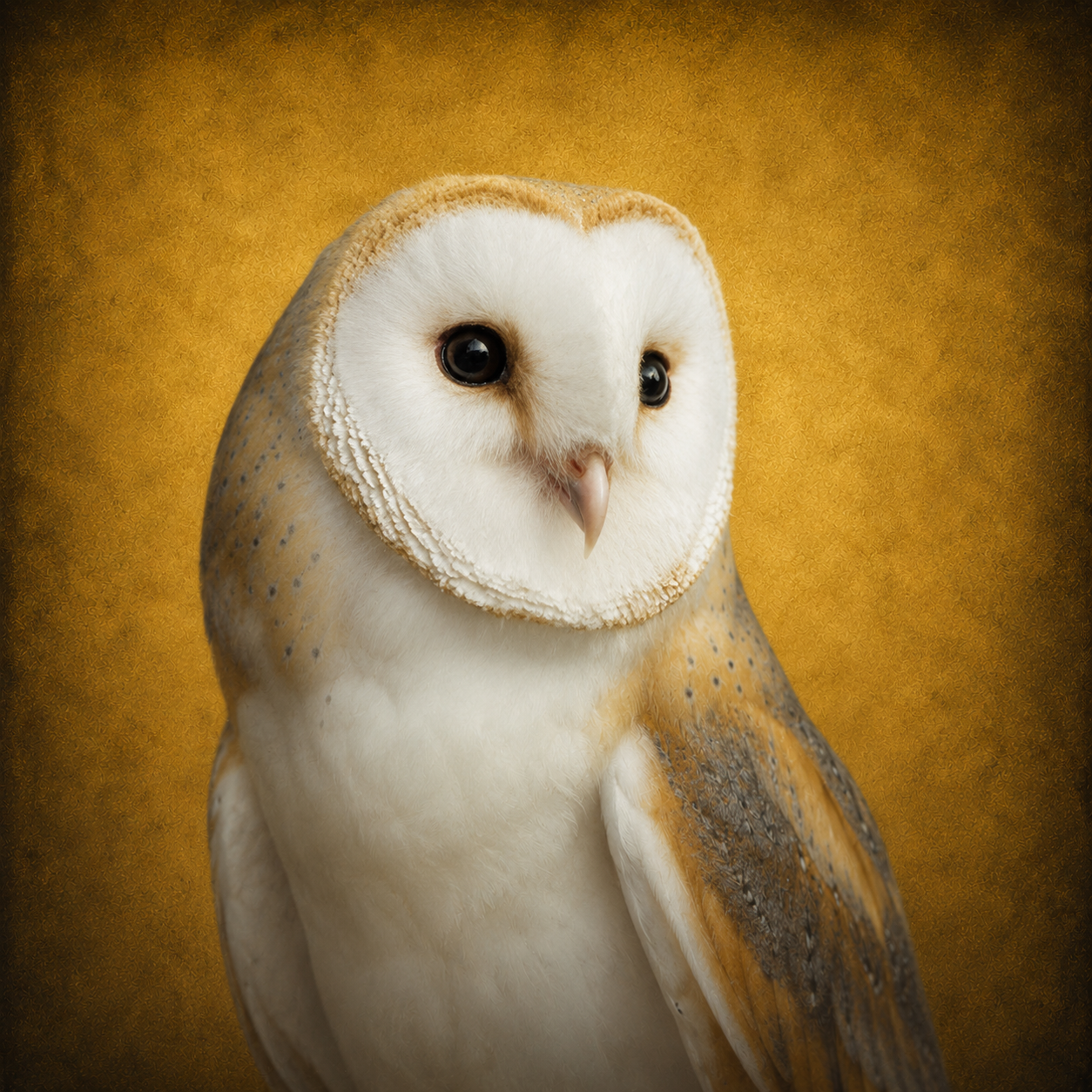


Amaranthine
IPA Pronunciation: /ˌæm.əˈræn.θɪn/
Part of Speech: Adjective
Origin
First attested in English in the 16th century, from Latin amaranthinus, derived from Greek amarantos (ἀμάραντος) — “unfading, imperishable,” from a- (“not”) + marainesthai (“to fade, to wither”).
Originally referring to the amaranth, a mythical or symbolic flower said never to die or lose its color, the term evolved to signify immortality, enduring beauty, and eternal constancy — both in nature and in spirit.
Etymology
- Greek: amarantos — “unfading, everlasting.”
- Prefix: a- — “not, without.”
- Root: marainesthai — “to fade, decay, wither.”
- Suffix: -ine (English) — forming adjectives of relation or quality.
Thus, Amaranthine means literally “unfading like the amaranth” — everlasting in beauty, undying in color, imperishable in spirit.
Core Definitions
- Undying; Immortal; Everlasting
Not subject to decay or fading; eternal in essence or memory.
“Their love was amaranthine — untouched by time or separation.” - Of Deep, Rich, and Purplish-Red Hue
Bearing the color of the amaranth flower — vivid, royal, and enduring.
“She wore an amaranthine gown that seemed to drink the twilight.” - Figuratively: Enduringly Beautiful or Sublime
Possessing a timeless or imperishable quality; deathless art, virtue, or grace.
“The poet sought amaranthine truth — beauty that would not fade.”
Explanation & Nuance
- Amaranthine bridges the material and the eternal: it describes not merely longevity, but the defiance of transience itself.
- It evokes beauty preserved against decay, the bloom that resists death, the color that time cannot dull.
- The tone is poetic and exalted, suited for sacred, romantic, or idealistic contexts.
- In its color sense, it suggests deep purples and crimson-reds — hues of dusk, royalty, and reverence.
- Spiritually, it speaks of immortal love, virtue, or art — the enduring light behind all mortal fading.
Examples in Context
Poetic:
“The amaranthine stars burned silently above, their light unspent by centuries.”
Romantic:
“In his eyes she found an amaranthine tenderness, one that promised no end.”
Artistic:
“The painter pursued an amaranthine ideal — a color that could never die.”
Philosophical:
“To live amaranthinely is to dwell in time without belonging to it.”
Spiritual:
“The soul, once kindled by divine love, becomes amaranthine — radiant, unwithering, free.”
Symbolic Dimensions
- Eternity / Immortality – the triumph of permanence over decay.
- Love / Devotion – affection that transcends mortality.
- Virtue / Purity – moral excellence that endures through corruption.
- Art / Beauty – aesthetic forms that time cannot tarnish.
- Color / Flame – a hue that burns, not fades — the tint of eternal life.
Synonyms & Near-Relations
- Eternal – infinite duration; lacks poetic nuance.
- Immortal – undying in being; more literal and abstract.
- Everlasting – continuous, but common in tone.
- Perennial – recurring, natural, not imperishable.
- Unfading – literal and descriptive; amaranthine ennobles the idea.
(Among these, amaranthine alone unites color, beauty, and immortality into one radiant image of endurance.)
Cultural & Intellectual Resonance
- Greek Myth & Poetry: The amaranthos flower was sacred to Artemis and symbolized undying love and virtue.
- Christian Symbolism: Represented the immortal life of the soul and the reward of the righteous.
- Romantic & Victorian Literature: A favorite metaphor for enduring affection and art’s immortality.
- Philosophy & Aesthetics: The term embodies the eternal in the transient — beauty that persists beyond decay.
- Color Theory & Design: Describes a rich, violet-crimson hue associated with depth, mystery, and reverence.
Takeaway
Amaranthine names the eternal bloom — that which defies fading, whether flower, love, or light.
It speaks of what endures not by resistance but by radiance: beauty that cannot die because it belongs to the timeless.
To call something amaranthine is to say it shines beyond decay, a petal of eternity in the field of the mortal.
Amaranthine
Everlasting, unfading, imperishably beautiful — like the flower that death cannot touch, or the love that time cannot dim.
Curious about what happened today in history? Want to learn a new word every day?
You’ll find it all—first and in one place—at The-English-Nook.com!
If you love languages, this is your space.
Enjoy bilingual short stories, fun readings, useful vocabulary, and so much more in both English and Spanish.
Come explore!

Leave a Reply