

IPA: /ˈkwaɪəˌtjuːd/
Definition:
Quietude refers to a state of peace, calmness, or tranquility, often characterized by silence or freedom from disturbance. It encompasses both physical stillness and a serene state of mind.
Examples in Use:
- “After the bustling city, the quietude of the countryside was a welcome reprieve.”
- “Meditation helps her achieve a quietude that balances her hectic lifestyle.”
- “The quietude of the library was occasionally broken by the rustling of pages.”
Etymology:
The term quietude originates from the Latin root quies, meaning “rest” or “peace.” It evolved into Middle French as quietude and was later adopted into English, retaining its sense of calm and serenity.
Synonyms:
- Tranquility
- Serenity
- Stillness
- Peacefulness
- Calmness
Near Synonyms: Composure, equanimity, repose, placidity
Antonyms:
- Clamor
- Chaos
- Turmoil
- Hubbub
- Commotion
Applications in Context:
- Philosophy and Spirituality:
- Quietude is often pursued in spiritual practices like meditation and mindfulness, where achieving inner peace and mental calmness is a central goal.
- Example: Buddhist teachings frequently emphasize the importance of quietude in achieving enlightenment.
- Nature:
- Many people seek quietude in nature, where the absence of human-made noise allows for a deeper connection with the environment.
- Example: A mountain retreat offers a sanctuary of quietude away from urban life.
- Psychology:
- Quietude can also refer to a mental state of clarity and lack of agitation, crucial for stress relief and emotional well-being.
- Example: Therapists may encourage clients to cultivate quietude to cope with anxiety.
- Art and Literature:
- Often used metaphorically to describe a setting, mood, or character’s emotional state in poetry and prose.
- Example: “The quietude of the twilight hour mirrored her inner peace.”
- Architecture and Design:
- Quietude can influence how spaces are constructed to promote peace and reduce noise pollution.
- Example: Minimalist interiors often aim to evoke a sense of quietude through simplicity and neutral tones.
Related Concepts:
- Repose: A state of rest or sleep, often overlapping with quietude.
- Equanimity: Calmness of the mind, particularly in stressful situations.
- Solitude: While solitude refers to being alone, quietude emphasizes the peaceful aspect of that state.
Trivia and Interesting Facts:
- Many cultures, such as Japanese Zen and Scandinavian Hygge, emphasize quietude as a core part of a harmonious lifestyle.
- Quietude is not only about silence but also about the absence of mental clutter, which makes it an essential component of meditation.
- Scientific studies show that spending time in quiet environments can improve focus, reduce blood pressure, and enhance overall well-being.
Takeaway:
Quietude is more than the absence of noise; it is a profound state of peace that encompasses the mind, body, and surroundings. Whether found in nature, meditation, or moments of solitude, quietude offers a sanctuary in an often chaotic world, reminding us of the value of stillness in our lives.
Originally published on December 12, 2024, on The-English-Nook.com.
Discover the art of quietude: where silence meets serenity, and stillness becomes your sanctuary!
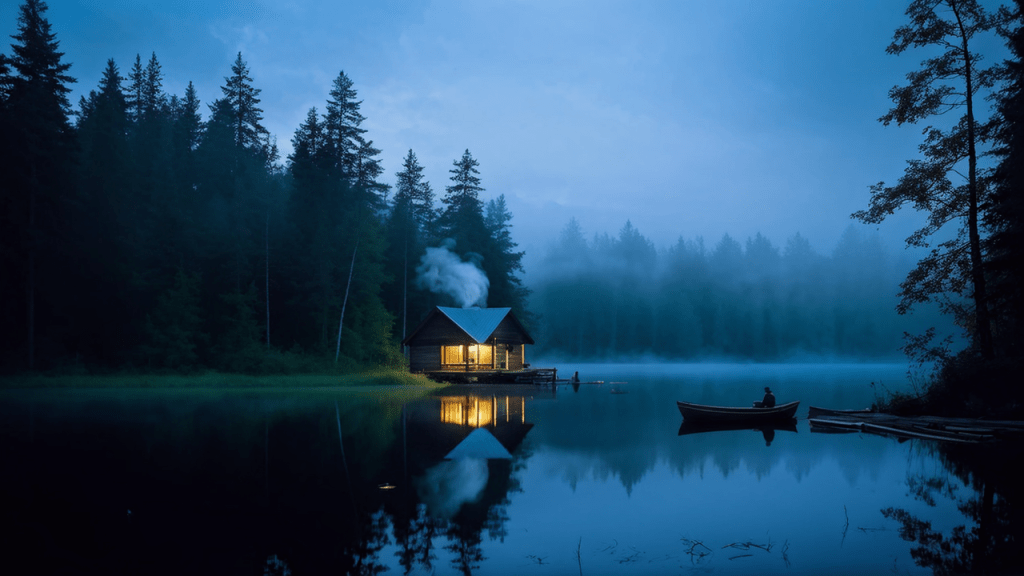
Let your like be a whisper, serene yet powerful. 🌟🌾

 Word Nook
Leave a comment