
/ˈsaɪ.dər/
Detailed Explanation
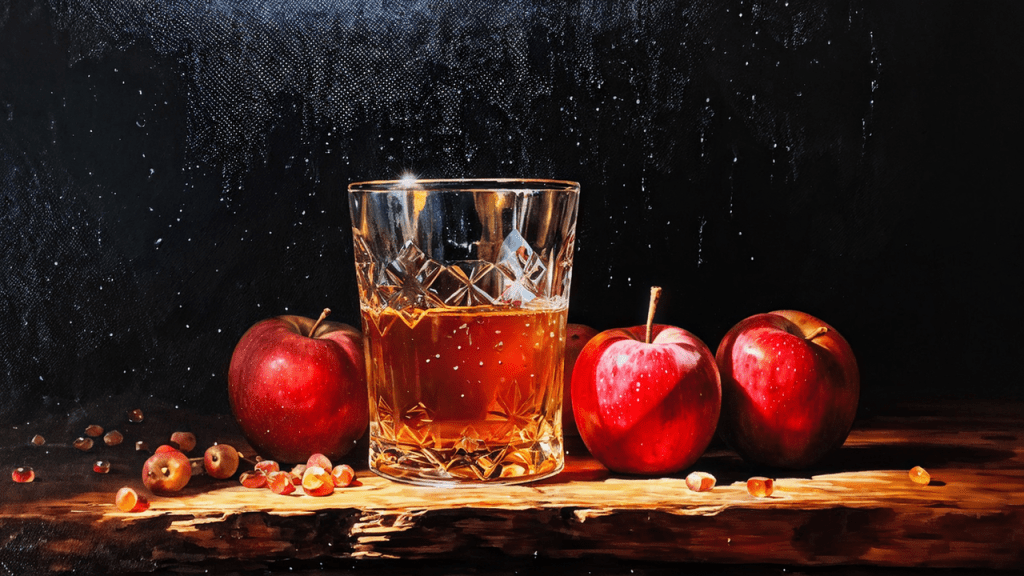
Cider is a fermented alcoholic beverage made from the juice of apples. In some regions, such as the United States, the term “cider” can also refer to unfermented, non-alcoholic apple juice, which is called “sweet cider.” However, in most parts of the world, “cider” generally refers to the fermented, alcoholic version. Cider can range in flavor from dry to sweet, and it is often carbonated to give it a sparkling effect.
Etymology
The word “cider” comes from the Old French “sidre,” which itself derived from the Latin “sicera,” meaning a strong drink or fermented beverage. The root of the term can be traced back to ancient Hebrew and Greek words for intoxicating drinks.
Synonyms
- Hard cider (in North America, to specify alcoholic cider)
- Apple cider
- Perry (for pear cider)
Usage in Sentences
- General Context: “They served cold cider at the picnic, and its crisp, refreshing taste was perfect for the summer day.”
- Cultural Reference: “In England, cider is one of the most popular drinks, especially in the countryside where apple orchards thrive.”
- Holiday Traditions: “During the fall, we enjoy sweet apple cider, spiced with cinnamon and cloves, as a cozy seasonal drink.”
Cider Varieties
Cider can vary greatly depending on the apples used, the fermentation process, and added ingredients:
- Dry Cider: Contains little residual sugar, offering a sharp, crisp taste.
- Sweet Cider: Higher in sugar, making it fruitier and often lighter.
- Sparkling Cider: Carbonated, either naturally or artificially, creating a bubbly texture.
- Still Cider: Non-carbonated and generally smoother to drink.
Related Concepts
- Fermentation: The process by which yeast converts sugars in apple juice into alcohol and carbon dioxide, creating cider.
- Scrumpy: A term used in the UK for strong, often unfiltered traditional cider, usually homemade or from small farms.
- Perry: A similar beverage to cider, made from pears rather than apples.
Examples in Literature
- Classic Literature: “In Thomas Hardy’s novels, characters often drink cider as part of rural life, reflecting the drink’s importance in the English countryside.”
- Modern Literature: In contemporary novels set in rural or agricultural settings, cider is often mentioned as a traditional beverage made during the autumn harvest.
Real-World Examples
- Cider Festivals: In many countries, particularly in the UK, France, and the US, there are annual cider festivals that celebrate local apple growers and cider makers.
- Fall Season: In North America, both alcoholic and non-alcoholic cider are popular drinks during the fall season, especially around Halloween and Thanksgiving.
Cider in Culture
Cider has long been associated with apple-growing regions, particularly in Europe. In the United Kingdom, cider is a staple in pubs and homes, often considered a national drink. France, especially the Normandy and Brittany regions, also produces world-renowned ciders. In the United States, cider has gained popularity as a craft beverage, with many small producers experimenting with different apple varieties and fermentation methods.
Understanding the Popularity of Cider
Cider’s appeal comes from its versatility and refreshing taste. It can be enjoyed in different styles, from sweet to dry, and pairs well with a variety of foods, making it a favorite at casual gatherings, barbecues, and holiday celebrations. Its global history and regional variations also contribute to its charm, with different countries adding their own unique twists to this ancient drink.
Cider continues to grow in popularity as a craft beverage, and its rich history and diversity of flavors make it a drink worth exploring.
Originally published on October 19, 2024, on The-English-Nook.com.
A like from you would be as refreshing as the first sip of crisp autumn cider!
🍎🍂👍


 Word of the Day - The English Nook
Leave a reply to YourLocalSnob Cancel reply