
Banshee
/ˈbænʃi/
Detailed Explanation
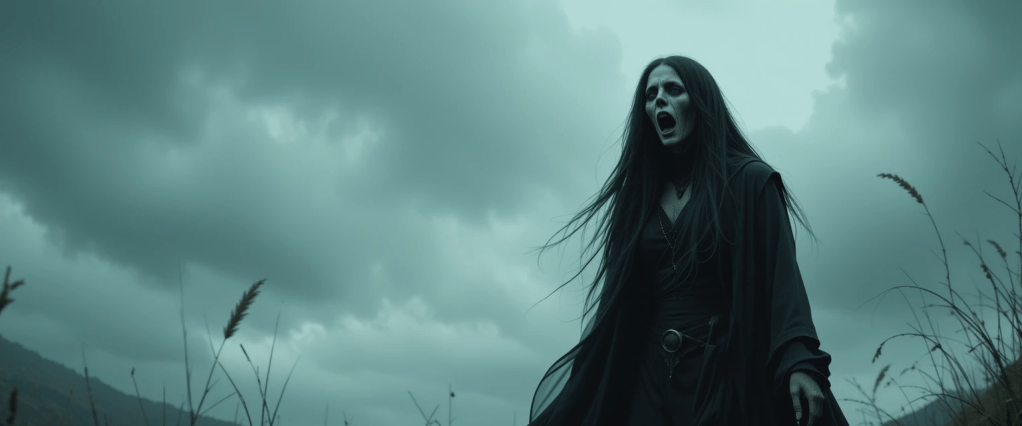
A Banshee (pronounced /ˈbænʃi/) is a mythical creature from Irish and Scottish folklore, often depicted as a female spirit or supernatural being whose wailing or keening foretells the death of a family member. Traditionally associated with the old Irish aristocratic families, the banshee is a harbinger of death, and her eerie, mournful cry serves as a warning of impending doom or tragedy. While often portrayed as a terrifying figure, in some interpretations, the banshee is a more sorrowful, empathetic spirit mourning the loss of life.
Etymology
The word “banshee” comes from the Irish Gaelic bean sí or bean sídhe, meaning “woman of the fairy mound” or “woman of the sídhe.” In Celtic mythology, sídhe refers to the supernatural beings or spirits that inhabit burial mounds or fairy hills. The banshee is thus connected to the mystical world of spirits and the afterlife.
Synonyms
- Phantom
- Spirit
- Apparition
- Wraith
- Specter
Usage in Sentences
- Folklore: “The villagers spoke in hushed tones about the banshee’s wail being heard the night before the old chieftain passed away.”
- Literature: “In the moonlight, she thought she heard a banshee’s cry, a sound so chilling it sent shivers down her spine.”
- Symbolism: “The banshee’s lament is often seen as a symbol of unavoidable fate, ushering in death with her mournful song.”
Folklore and Mythology
In Irish and Scottish lore, banshees are known for their distinctive wailing, also called keening, which is a traditional lament for the dead. It was believed that the banshee’s cries could be heard by the family of the soon-to-be-deceased, often at night, and served as a final warning. The banshee can appear in various forms, sometimes as a beautiful young woman, but more often as an old hag with long, flowing hair, wearing a gray cloak or a white dress.
Cultural Significance
- Irish Folklore: The banshee is deeply rooted in Irish culture, where she is seen as a spirit tied to certain noble families, such as the O’Connors, O’Briens, O’Neills, and O’Grady families.
- Scottish Folklore: In Scottish tradition, similar spirits exist, sometimes called “bean-nighe,” who are seen washing the bloodstained clothes of those who are about to die, further emphasizing the connection to death.
- Modern Symbolism: Today, the banshee is often used metaphorically to describe something or someone that brings bad news, often linked to their ominous wailing.
Examples in Literature
- Irish Tales: In many Irish myths, the banshee appears in tales of death and family lineage, reinforcing the connection between mortality and the supernatural.
- Contemporary Works: In modern fiction, the banshee has been reinterpreted in various ways, sometimes as a tragic figure bound by fate, or as a fearsome, vengeful spirit.
Real-World References
- Music and Pop Culture: The banshee’s eerie wail has inspired everything from band names to eerie soundtracks in horror films.
- Supernatural Beings: Alongside ghosts and wraiths, the banshee remains a popular figure in supernatural stories and TV shows, often representing death’s approach.
Related Concepts
- Keening: The act of wailing or singing a lament for the dead, often performed by women in Ireland as part of funeral rites. The banshee is sometimes seen as a supernatural version of a keening woman.
- Death Omen: Like ravens or black dogs in other mythologies, the banshee serves as a death omen, signaling a connection to the spirit world and the inevitable approach of death.
- Fairy Folklore: The banshee is part of the wider sídhe or fairy lore of Ireland and Scotland, where spirits or fairies interact with the human world, often bringing both blessings and curses.
Understanding the Myth of the Banshee
The banshee represents the intertwining of life and death, serving as a symbolic figure who bridges the human world and the afterlife. Whether viewed as a tragic mourner or a frightening specter, the banshee’s presence is always tied to the inevitability of death, making her one of the most enduring and eerie figures in Celtic folklore.
Cumulonimbus clouds are among the most powerful and dynamic meteorological phenomena, capable of producing thunderstorms, hail, tornadoes, and extreme winds. Their towering structure and explosive development make them essential to understanding severe weather patterns and atmospheric science. Whether admired from a distance or studied for their impact on aviation and climate, these clouds represent nature’s raw and unpredictable power.
Originally published on October 15, 2024, on The-English-Nook.com.
Banshee: Echoes of Irish Heritage
Legends whisper through Irish folklore, just as traditions shape language and culture. St. Patrick’s Day is more than parades and green attire—it’s a celebration of Ireland’s deep influence on global customs and speech. Discover the stories behind expressions like “the luck of the Irish” and “Erin go Bragh,” and uncover the rich history woven into every word.
St. Patrick’s Day – A Linguistic and Cultural Legacy
When the banshee wails, fate calls—no one escapes the echo of her cry!
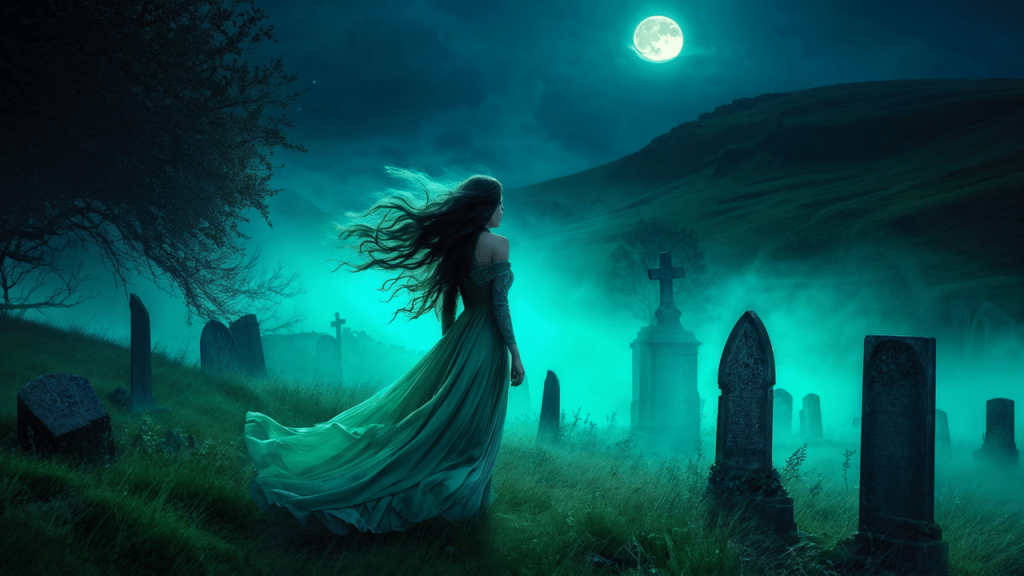
I sense an impending like… or perhaps it’s just my eerie premonition!
👀💫


 Word of the Day - The English Nook
Leave a reply to The English Nook Cancel reply