
Alaric
IPA Pronunciation: /ˈæl.ə.rɪk/ or /ˈæləˌriːk/
Part of Speech: Proper Noun (Name, Historical Figure)
Etymology
Derived from the Gothic name Alareiks:
- ala → all, entire, everyone
- reiks → ruler, sovereign, king
Thus, Alaric signifies “Ruler of All” or “Sovereign of Everyone.”
The name passed into Latin as Alaricus and later into Medieval and modern European tongues. In Germanic and Scandinavian traditions, it endured as Alarich or Ulrich, always retaining its sense of majesty and rulership.
Historical and Legendary Bearers
1. Alaric I (c. 370–410 CE)
- King of the Visigoths.
- Known to history as the first foreign conqueror to sack Rome (410 CE), an event that symbolized the beginning of the end for the Western Roman Empire.
- Described as both a barbarian scourge and a visionary leader, he sought land for his people more than destruction for its own sake.
- His death gave rise to legend: it is said his body was buried beneath the waters of the river Busento, with vast treasures, the riverbed diverted for the burial and restored afterward to conceal the tomb. Slaves who performed the work were executed to preserve the secret.
His name has since stood as a symbol of inevitable decline, the reminder that even the greatest empires must fall.
2. Alaric II (c. 458–507 CE)
- Son of Euric, king of the Visigoths in Gaul and Hispania.
- Famous for the Breviary of Alaric (506 CE), a codification of Roman law adapted for his Gothic subjects, showing the fusion of Roman and barbarian cultures.
- Died in battle at Vouillé, defeated by Clovis I of the Franks, which ended Visigothic power in Gaul.
3. Later Echoes
- The name endured in medieval Europe, sometimes appearing in chronicles, poetry, and romances as a name for noble warriors or rulers.
- In modern times, it retains a majestic, archaic resonance, often appearing in fantasy, gothic fiction, and historical epics.
Symbolism & Cultural Resonance
- The Ruler of All: By meaning alone, Alaric embodies the archetype of the universal sovereign.
- Conqueror of Rome: His sack of Rome is remembered as a world-historical turning point — the shattering of the Eternal City, the twilight of antiquity, and the dawn of the Middle Ages.
- Impermanence of Power: His name evokes the theme of transience: no empire, however mighty, can last forever.
- Mythic Memory: The burial in the Busento transforms Alaric into a legendary king, his spirit and treasure hidden beneath flowing waters — part history, part myth.
Examples in Context
- Historical:
“In 410, Alaric marched into Rome, and the Eternal City trembled before the Visigoths.” - Poetic:
“They say Alaric sleeps beneath the river, his crown guarded by the silence of the dead.” - Philosophical:
“Like Alaric, all rulers must face the Busento — the inevitable river of history that buries their names in time.” - Literary / Fantasy:
“The sorcerer Alaric bore a name from forgotten ages, his power carrying the weight of fallen empires.”
Synonyms & Related Names
- Ulrich / Alarich – Germanic variants.
- Eric – from ērekr, related to reiks (“ruler”).
- Frederick – “peaceful ruler.”
- Roderic / Rodrigo – Gothic: “famous ruler.”
- Clovis / Louis – Frankish counterpart, rival to Alaric II.
In Literature & Art
- Roman historians like Procopius and Zosimus portray him as a fateful figure.
- Romantic poets (19th century) turned him into a symbol of ruin and grandeur, often depicting his burial as a tragic legend.
- Fantasy writers use the name for kings, warlords, or sorcerers, taking advantage of its dark, archaic majesty.
- Gothic revival often frames Alaric as a shadowy conqueror whose presence marks the border between history and myth.
Takeaway
Alaric is more than a name: it is a title of destiny, evoking kingship, conquest, and the impermanence of power. It carries with it the clash of civilizations, the twilight of empires, and the birth of new orders. To invoke the name Alaric is to summon both history and myth, a reminder that greatness is always shadowed by decline.
Alaric
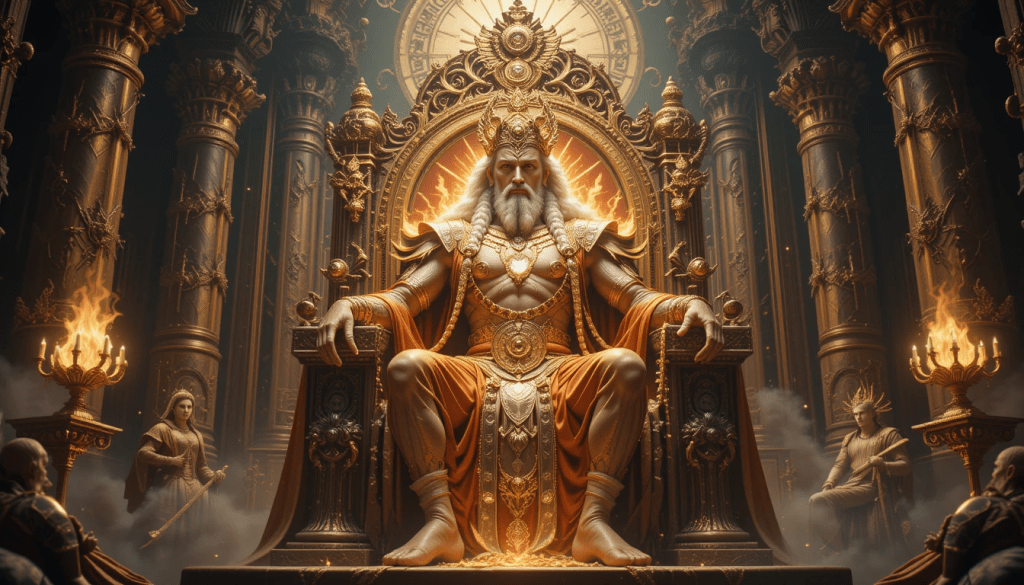
The Ruler of All — conqueror of Rome, sovereign of legend, whose name flows like the Busento: half history, half eternal myth.”
Curious about what happened today in history? Want to learn a new word every day?
You’ll find it all—first and in one place—at The-English-Nook.com!
If you love languages, this is your space.
Enjoy bilingual short stories, fun readings, useful vocabulary, and so much more in both English and Spanish.
Come explore!
 Word of the Day - The English Nook
Leave a comment