
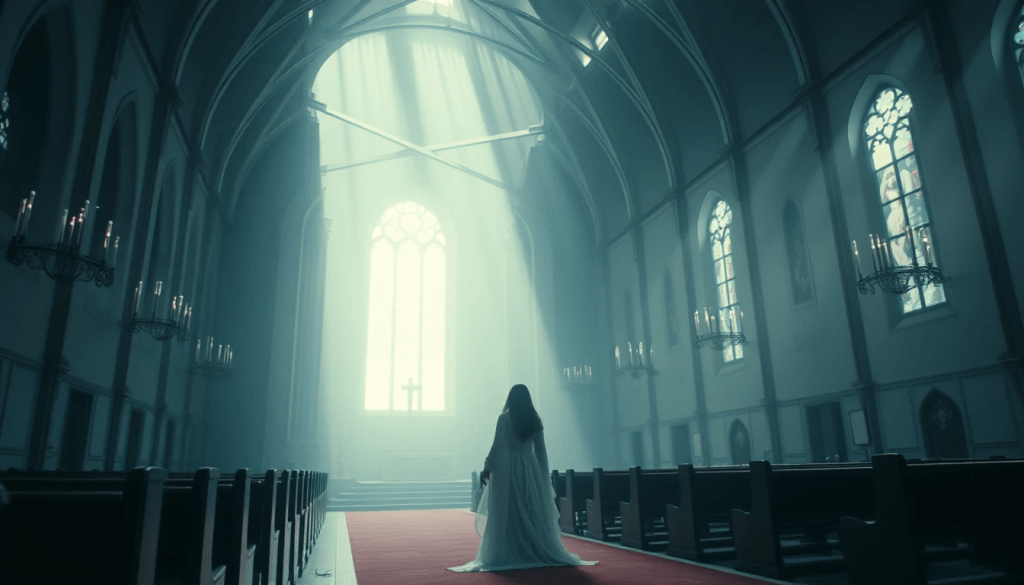
Threnody
IPA Pronunciation: /ˈθrɛn.ə.di/
Part of Speech: Noun
Etymology:
From Greek threnōidia (θρηνωῳδία), from threnos meaning “lament” + ōidē meaning “song” or “ode.”
—Literally: “a song of lamentation.”
The word passed through Latin (threnodia) and was adopted into English in the 17th century as a poetic and solemn term for a song, poem, or piece of music composed in mourning.
Definitions
- A Lamentation in Song or Verse
A mournful composition—typically elegiac—expressing sorrow, grief, or lament for the dead or the irrevocably lost. - A Poetic Tribute to Grief
A threnody doesn’t merely recount death; it often elevates mourning into artful remembrance, transforming personal or collective grief into something enduring. - A Spiritual or Symbolic Mourning
Used metaphorically to describe any expression—verbal, musical, or atmospheric—that resonates with solemn sorrow or reverence for something passed.
Atmospheric and Symbolic Meaning
The Art of Mourning:
Where a eulogy speaks and a requiem prays, the threnody sings. It allows the soul to voice what language often cannot express: grief not just for death, but for memory, beauty, innocence, or entire eras that have passed into shadow.
A Song for Shadows:
Threnodies are frequently written not just for individuals, but for entire cultures, cities, or worlds lost to war, disaster, or time. They are elegies for civilizations, dirges for silence, poetry of absence.
In Between Worlds:
They reside in the liminal space between the living and the dead—haunted not by terror, but by tenderness. They echo with the weight of goodbye, and the fragile thread of memory that ties the present to the vanished.
Examples in Context
- Literary / Poetic:
“She composed a threnody for the dying forests, each stanza a plea for what could no longer grow.” - Musical / Classical:
“Krzysztof Penderecki’s Threnody to the Victims of Hiroshima is a searing, dissonant cry of orchestral anguish.” - Figurative / Symbolic:
“The empty cathedral sang its own threnody—wind whispering through broken stained glass.” - Philosophical / Abstract:
“Every empire leaves behind a threnody—written not in song, but in the slow crumble of its monuments.”
Related Terms and Synonyms
| Term | Type | Nuance / Difference |
|---|---|---|
| Elegy | Poem | Meditative reflection on loss; can be less explicitly sorrowful. |
| Dirge | Song/Chant | A slow, solemn piece typically sung at funerals. |
| Requiem | Mass/Music | Liturgical composition for the dead; often sacred. |
| Lament | General | Any expression of deep sorrow; can be prose, music, or poetry. |
| Keen | Oral tradition | Wailing or vocal lamentation, often traditional or ritual. |
In Literature, Music, and Culture
- Literature:
Threnodies have been written by poets such as John Milton, Thomas Gray, and W.H. Auden—whose “Funeral Blues” is often seen as a modern threnody in tone and theme. - Classical and Modern Music:
Threnodies appear in orchestral, choral, and solo works. Famous modern examples include:- Threnody for the Victims of Hiroshima by Penderecki (1960)
- Threnody by Peter Sculthorpe (1991), inspired by Aboriginal mourning
- Musical tributes by artists commemorating tragic events, such as 9/11
- Folklore and Oral Traditions:
Ancient cultures often included ritualized threnodies—sung by women, shamans, or priestesses—to guide souls to the afterlife or mourn public loss.
Takeaway
To invoke threnody is to name grief transformed into art—sorrow that speaks, sings, and survives. It is a way of remembering through beauty, of giving form to pain without diminishing it. Whether written, spoken, or played, a threnody is a bridge between silence and memory, between love and loss.
A voice that mourns, not to forget—but to remember with aching grace.
 Word of the Day - The English Nook
Leave a comment