
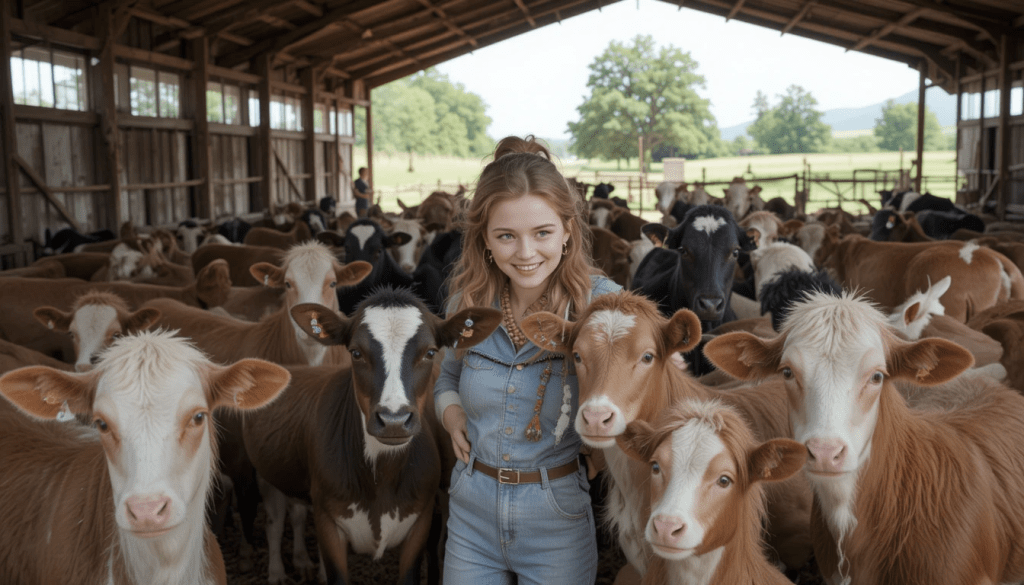
Anthrozoology
IPA Pronunciation: /ˌæn.θrə.zoʊˈɑː.lə.dʒi/
Part of Speech: Noun
Etymology: From Greek “ánthrōpos” (ἄνθρωπος), meaning “human,” and “zōion” (ζῷον), meaning “animal,” with the suffix “-logy” denoting “the study of.” This term reflects the field’s focus on human-animal interactions.
Definitions:
Interdisciplinary Study of Human-Animal Relationships:
The scientific and cultural exploration of how humans and animals interact, influence one another, and share space and experiences.
Ethical and Societal Inquiry:
A field that delves into the psychological, sociological, ecological, and moral dimensions of human-animal relationships, addressing questions of welfare, conservation, and the human psyche.
Explanation:
Literal and Everyday Meaning:
Anthrozoology bridges the gap between humans and animals, recognizing that animals are not merely companions or resources, but integral participants in human culture and society. From the household pet to the wild creatures in our environment, anthrozoology studies the myriad ways animals shape, and are shaped by, human experience.
Academic and Research Context:
Anthrozoology draws on various disciplines—psychology, sociology, anthropology, veterinary science, and ethics—to form a holistic understanding of human-animal interactions. Topics can include the benefits of animal-assisted therapy, cultural depictions of animals, or the impact of pet ownership on mental health.
Ethical and Cultural Significance:
This field also addresses profound ethical questions: What responsibilities do humans have toward animals? How do different cultures perceive animals and assign them moral worth? These inquiries inform policy, conservation, and the broader cultural narratives surrounding animals.
Examples in Context:
Academic Setting:
“Her thesis in anthrozoology examined how children’s literature shapes empathy toward animals.”
Personal Reflection:
“After studying anthrozoology, he realized how deeply animals influence our social structures.”
Cultural Inquiry:
“Anthrozoology has shed light on the complex relationship between indigenous cultures and their local wildlife.”
Ethical Consideration:
“Through anthrozoology, we confront the ethical dimensions of animal agriculture and the role of animals in urban life.”
Related Terms and Synonyms:
- Human-animal studies: A broad term encompassing all forms of inquiry into human-animal interactions.
- Zoosociology: The sociological exploration of animals in human society.
- Animal-assisted therapy: The therapeutic use of animals to improve human health and well-being.
- Ethology: The study of animal behavior, sometimes overlapping with anthrozoological themes.
Cultural and Artistic Resonance:
Anthrozoology resonates far beyond academia. In art and literature, animals are often depicted as symbols of loyalty, power, and connection. In religious and spiritual contexts, animals can be totems or sacred beings. Through anthrozoology, we gain a richer understanding of these deep cultural currents, appreciating how animals have been woven into the human story across time.
Moreover, anthrozoology invites us to re-examine our daily interactions with animals, whether it’s the quiet companionship of a pet, the thrill of wildlife watching, or the ethical dilemmas posed by factory farming.
Takeaway:
Anthrozoology reveals that the human-animal bond is not a fringe curiosity—it’s a fundamental part of our shared existence. By studying anthrozoology, we unlock a more compassionate, insightful perspective on the world we inhabit, where humans and animals are co-creators of culture, meaning, and life itself.
Anthrozoology: Where humans and animals converge, shaping each other’s worlds in ways seen and unseen.
 Word of the Day - The English Nook
Leave a comment