
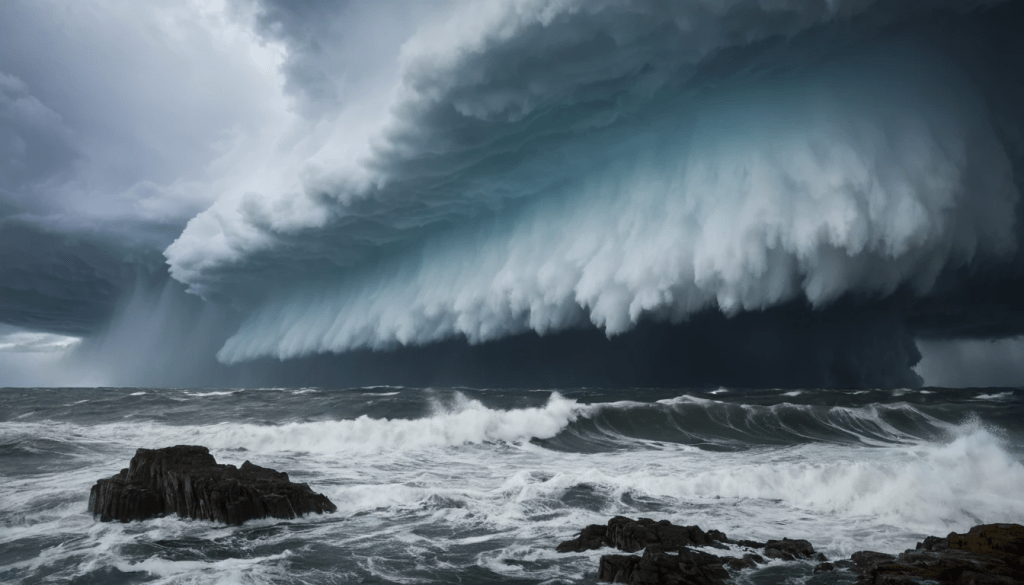
Squall
IPA Pronunciation: /skwɔːl/
Part of Speech: Noun / Verb
Definitions:
- Meteorological (Noun):
A sudden, sharp increase in wind speed lasting several minutes and often accompanied by heavy rain, snow, or sleet. Squalls can cause abrupt weather changes and are commonly associated with storms. - Emotional/Descriptive (Noun or Verb):
A loud, harsh cry or scream, especially one made by a baby or person in distress. As a verb, “to squall” means to emit such a cry.
Etymology:
First recorded in the late 17th century, the origin is likely of Scandinavian descent, related to Norwegian skval, meaning “to gush” or “to pour out,” reflecting both the sound and suddenness of the event—be it wind or voice.
Meteorological Context:
In weather terminology, a squall is more than just a gust—it’s a brief, violent burst of wind that can arise suddenly, often ahead of a storm front or in unstable air masses. Squalls are short-lived but intense, and may include:
- Thunder and lightning
- Heavy precipitation
- Rapid temperature drops
- Sea disturbance (whitecaps and rough surf)
They are categorized in phenomena such as:
- Snow squalls – Sudden whiteout conditions in winter storms
- Rain squalls – Brief but torrential bursts of rain
- Line squalls – Associated with advancing cold fronts
Examples in Use:
- “A squall tore across the bay, toppling the sails and sending waves crashing against the hull.”
- “As night fell, a snow squall swept through the valley, erasing all tracks within minutes.”
- “The child squalled as the nurse reached for the needle.”
Literary and Poetic Usage:
Writers and poets often use “squall” metaphorically to describe sudden emotional outbursts, turbulent conflict, or even internal turmoil:
- “She was a sea of calm until his words struck her like a squall.”
- “A squall of rage broke through his usual reserve.”
Physical Characteristics of a Squall:
- Duration: Longer than a gust (typically a minute or more, but under an hour)
- Wind Increase: At least 16 knots (18 mph) or more above sustained winds
- Accompaniments: Rain, snow, lightning, or dramatic pressure shifts
- Warning Signs: Dark clouds, fast-moving fronts, a sudden drop in temperature
Synonyms & Related Terms:
- Gust – A shorter, less intense burst of wind
- Tempest – A more prolonged, violent storm
- Bluster – A loud, noisy wind or speech
- Howl / Wail – For the emotional or auditory sense
- Burst / Surge / Roar
Symbolism & Metaphor:
- Unpredictability – Squalls symbolize sudden change or chaos
- Emotional Unleashing – Common metaphor for breakdowns, cries, or tempers
- Nature’s Fury in Microcosm – A squall is often a miniature storm, condensed and concentrated
Cultural Notes:
- In Maritime Folklore: Squalls were seen as harbingers—sometimes omens of misfortune, especially at sea
- In Aviation: Sudden squalls can pose serious hazards to takeoff, landing, or in-flight stability
- In Music or Art: Used metaphorically to describe harsh, sudden crescendos or tonal shifts
Interesting Fact:
In naval history, the term “white squall” referred to an especially sudden squall at sea that occurs in clear skies—with no visible storm clouds. These rare phenomena could capsize ships and were feared for their stealth and force.
Takeaway:
A squall is nature’s brief tantrum—intense, abrupt, and unforgettable. Whether howling across the sea or echoing in a child’s cry, it captures a moment when calm is shattered, and turbulence takes over. A squall is not just weather; it is the expression of force, sudden and raw, be it from sky, sea, or soul.
Squall: When nature or emotion storms in, loud, sudden, and impossible to ignore.
 Word of the Day - The English Nook
Leave a comment