
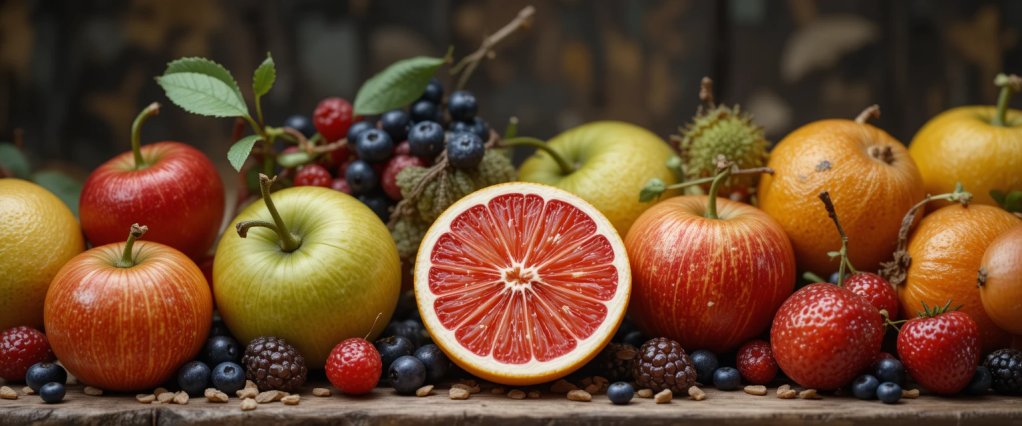
Pomology
IPA: /pəˈmɒl.ə.dʒi/
(Noun)
Definitions:
- Scientific Study of Fruit:
A branch of botany and horticulture concerned with the research, cultivation, breeding, and physiology of fruit-bearing plants, including trees, shrubs, and vines.- Example: “Advances in pomology have led to new varieties of apples that are both more nutritious and environmentally sustainable.”
- Practical Horticulture of Fruit Crops:
The applied science of managing orchards and fruit-producing systems for improved yield, flavor, disease resistance, and ecological harmony.- Example: “Pomology plays a crucial role in developing pruning methods that enhance both productivity and tree health.”
In-Depth Overview:
Scope and Importance:
Pomology lies at the intersection of biology, agriculture, ecology, and food science. Its goals are not only to increase the availability and diversity of fruit but to ensure their growth aligns with environmental sustainability and consumer health. It addresses topics like:
- Fruit morphology and anatomy
- Nutritional profiling
- Pollination biology
- Soil–plant interactions
- Integrated pest management
- Orchard design and automation
Whether in backyard gardens or vast commercial orchards, pomology guides how fruits are grown, harvested, stored, and enjoyed.
Historical Roots:
Pomology is an ancient practice with modern applications. Humans have cultivated fruit for millennia—from Mesopotamian date palms to Roman olive groves and Persian pomegranate gardens. The term pomology derives from Latin pomum (fruit) + -logia (study). During the Enlightenment, scientific classification of fruit varieties gained momentum, leading to the foundation of national pomological societies.
In the 19th century, pomology was formally institutionalized in Europe and the United States, where scientists began documenting and improving fruit types for commerce and survival.
- Example: “In colonial America, pomology was essential for developing hardy apple cultivars that could endure harsh winters.”
Applications and Disciplines:
- Genetics and Breeding:
Creating hybrids with desirable traits (flavor, storage, pest resistance). - Climatology and Sustainability:
Studying how climate change affects flowering times, pollination, and crop yields. - Post-Harvest Physiology:
Exploring how fruits age after harvest and how to prolong freshness. - Commercial Agriculture:
Optimizing economic factors like transportability, market value, and yield per acre. - Ethnobotany:
Investigating traditional fruit usage in indigenous or regional diets and medicine.
Usage in Context:
- Academic: “She earned a PhD in pomology with a dissertation on drought resistance in stone fruits.”
- Cultural: “Victorian pomological illustrations captured not only the diversity of fruit but the artistry of scientific observation.”
- Agronomic: “Modern pomology employs drones and AI to assess ripeness across entire orchards.”
Synonyms and Related Terms:
- Fruit horticulture
- Arboriculture (specifically trees)
- Fruit science
- Fructiculture (less commonly used)
- Viticulture (when referring to grapes)
Related Fields:
- Botany
- Agronomy
- Agroecology
- Post-harvest science
- Genomic agriculture
Interesting Facts:
- The USDA’s Pomological Watercolor Collection includes over 7,500 fruit illustrations from 1886 to 1942, documenting both extinct and extant cultivars.
- The apple alone has over 7,000 known cultivars, a testament to the precision and passion of pomologists.
- Ancient Roman texts describe grafting techniques still in use today.
Takeaway:
Pomology is more than the study of fruit—it’s a testament to humanity’s relationship with nature, nutrition, and sustainability. From heritage orchards and heirloom varietals to bioengineered crops and climate-adapted fruits, pomology shapes not just what we eat, but how we think about the future of food. It’s a discipline rooted in sweetness, science, and stewardship.
Originally published on May 24, 2025, on
The-English-Nook.com.
Pomology: where science meets sweetness to grow the future of fruit.
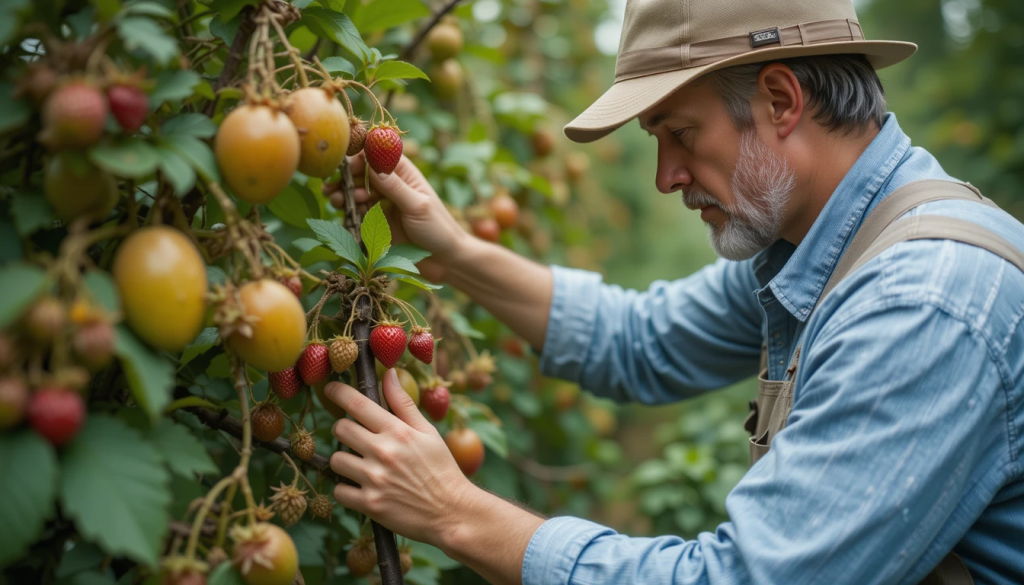
“Tap like and let knowledge ripen on the branch of curiosity.” 🍎📚
 Word of the Day - The English Nook
Leave a comment