
Playa
IPA: /ˈplaɪ.ə/
(Noun)
Definitions:
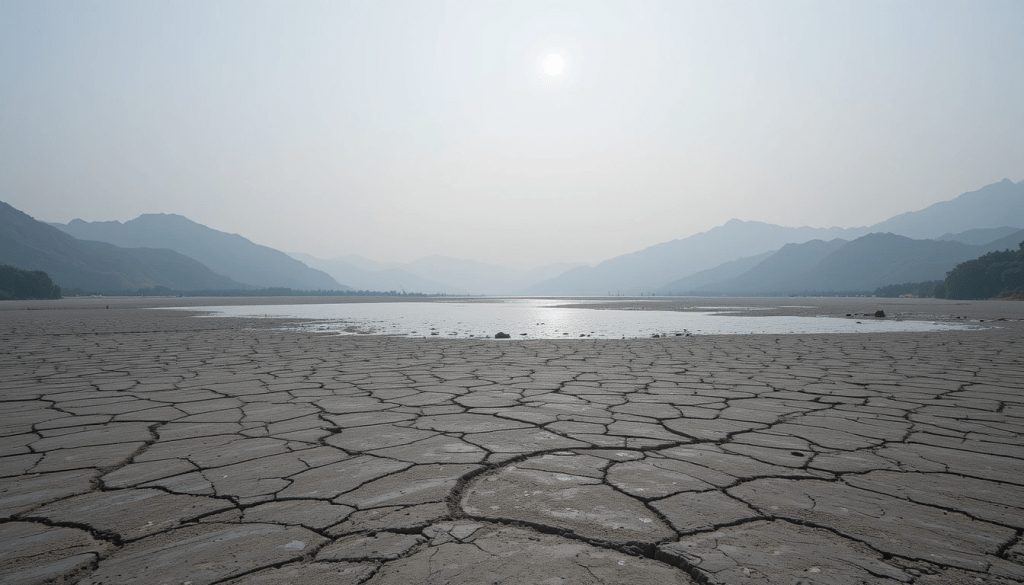
- Desert Basin or Dry Lake Bed (Geography):
A shallow, typically flat-bottomed depression found in arid or semi-arid regions that occasionally collects water but remains dry most of the year. Characterized by fine sediments, cracked mud, or salt crusts, these areas are formed through cycles of evaporation and sedimentation.- Example: “The playa gleamed white under the midday sun, the remnants of a vanished lake echoing in its parched silence.”
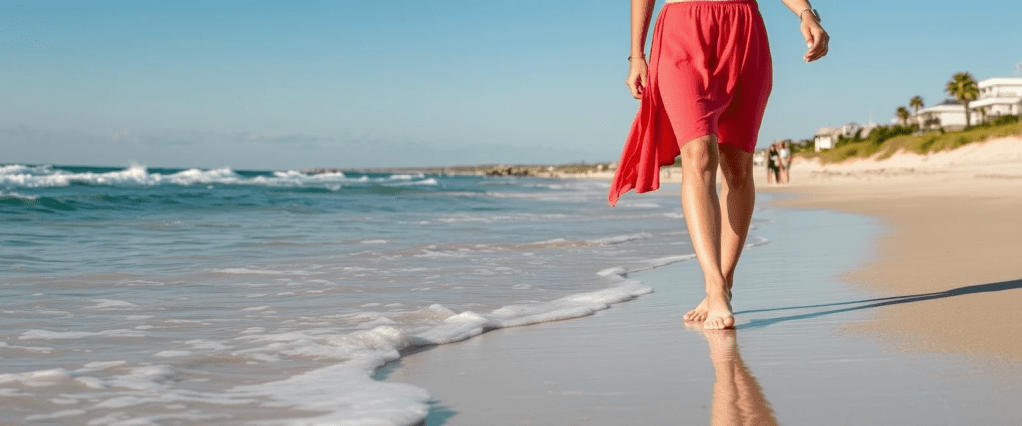
- Beach (Spanish and Cultural Usage):
From the Spanish playa, meaning “beach” or “shore.” In many parts of the world, it refers to any coastal or lakeside area where land meets water, often associated with leisure, nature, and community.- Example: “They strolled barefoot along the sun-warmed playa, waves whispering at their feet.”
Etymology and Origins:
- From Spanish, meaning “beach” or “shore.”
- Derived from Latin plaga, meaning “region,” “open space,” or “expanse.”
- Adopted into English in both its original coastal sense and the more specific geographic sense found in North American desert studies.
Geological and Environmental Context:
Desert Playas:
Common in desert environments such as the American Southwest, North Africa, and parts of Central Asia, playas are remnants of ancient lakes or closed drainage basins. After rare rainfall events, these basins may briefly fill with water, only to dry rapidly due to high evaporation rates.
These areas can be:
- Clay-Rich and Cracked – forming a distinctive polygonal surface.
- Salt-Encrusted – reflecting sunlight in blinding brilliance.
- Ecologically Unique – hosting ephemeral ecosystems like brine shrimp or alkali flies.
Famous examples include:
- Bonneville Salt Flats (Utah, USA) – Known for land speed records.
- Black Rock Desert (Nevada, USA) – Home of the Burning Man festival.
- Salar de Uyuni (Bolivia) – The world’s largest salt flat.
Cultural and Linguistic Usage:
In many Romance-language-speaking cultures, playa is the everyday term for “beach,” and carries deep cultural resonance. It may evoke images of summer, leisure, sensuality, or nostalgia—whether referencing bustling Mediterranean coasts or quiet riverbanks in Latin America.
In urban slang, especially in Spanglish contexts, playa can also be stylized to suggest a person who “plays” the romantic field—although this is a separate evolution of the word through cultural idiom.
- Example (Travel Context): “They vacationed near a pristine playa lined with driftwood and palms.”
- Example (Colloquial Expression): “He’s always smooth-talking—he thinks he’s a real playa.”
In festival culture, particularly Burning Man, the playa refers to the open expanse of the Black Rock Desert where art installations, communal structures, and radical self-expression rise and fall in a week of ephemeral creation.
- Example: “On the playa, time bends and dust becomes a canvas.”
Usage in Varied Contexts:
- Scientific/Environmental:
- “Playas are valuable for studying paleoclimate due to the sediment layers they preserve.”
- Literary/Artistic:
- “Her poem described a soul as barren and luminous as a desert playa, waiting for rain.”
- Travel and Leisure:
- “The small fishing town boasted a quiet playa where locals gathered at dusk.”
- Cultural/Festival:
- “The structure rose from the playa dust like a dream etched in sunlight.”
Synonyms and Related Terms:
- Dry lake
- Salt flat
- Mud flat
- Basin
- Beach (in Romance languages)
- Pan (Southern African equivalent)
Related Concepts:
- Arid landscapes
- Endorheic basins
- Ephemeral wetlands
- Burning Man culture
- Paleo-limnology (study of ancient lakes)
Interesting Facts:
- Playas are among the flattest natural surfaces on Earth—so level that they are used to calibrate satellites and test aircraft.
- Some contain mirror-like reflective surfaces after rain, creating surreal visual effects known as “sky mirrors.”
- In ecological terms, despite their dry appearance, many playas support seasonal bird migrations and microbial life adapted to extreme conditions.
Takeaway:
Playa is a word of beautiful contrast and fluidity—equally at home in the scorched quiet of desert basins as on the lively shores of coastal villages. It carries echoes of geological time and fleeting human joy, balancing starkness and sensuality. Whether under the wheels of speed trials or the bare feet of beachgoers, it evokes landscapes of transition, where land meets water—or where water once was.
Originally published on May 20, 2025, on
The-English-Nook.com.
One word, two worlds—playa is where land remembers water and language remembers joy.
“Hit like and vanish into the vast mirage.” 🌫️👣
 Word of the Day - The English Nook
Leave a comment