
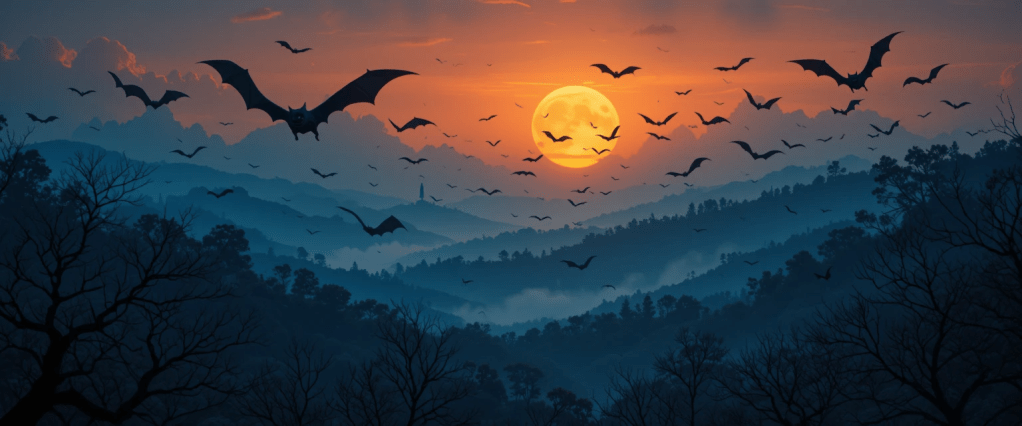
Chiroptera
IPA Pronunciation: /kaɪˈrɒptərə/
(Noun, plural form)
Definition:
Chiroptera is the scientific order of mammals comprising all species of bats, the only mammals capable of true sustained flight. This diverse and widespread group includes over 1,400 species, ranging from tiny insectivorous bats to large fruit-eating megabats.
- Example: “Chiroptera exhibit remarkable adaptations in their skeletal structure, allowing for agile and controlled flight.”
Etymology & Origin:
Derived from the Greek words:
- cheir (χείρ) meaning “hand”
- pteron (πτερόν) meaning “wing”
Together, “Chiroptera” literally means “hand-wing”, referencing the highly specialized structure of bat wings, in which elongated fingers support a thin membrane of skin.
- Coined in scientific classification by Georges Cuvier in the early 19th century to denote the distinctive anatomical morphology of bats.
Taxonomic Classification:
- Kingdom: Animalia
- Phylum: Chordata
- Class: Mammalia
- Order: Chiroptera
Suborders:
- Megachiroptera – commonly known as megabats or fruit bats, including flying foxes. They are typically larger and rely on vision and smell for navigation.
- Microchiroptera – microbats, generally smaller, and many species use echolocation to navigate and hunt insects in the dark.
Note: Modern molecular studies often group all bats under the unified clade Yinpterochiroptera and Yangochiroptera, replacing the older suborder division, though the traditional terms are still widely used.
Characteristics & Adaptations:
- Wings as Modified Hands: Each bat wing is composed of elongated fingers, with the wing membrane (patagium) stretched between them, making bats unique among mammals.
- Echolocation: Most microbats emit high-frequency sounds that bounce off objects, allowing them to construct an auditory map of their surroundings—a sophisticated form of biological sonar.
- Diverse Diets:
- Insectivorous bats (e.g., little brown bat)
- Frugivorous (fruit-eating) bats (e.g., flying foxes)
- Nectarivorous (nectar-feeding) bats (e.g., long-tongued bats)
- Carnivorous (small vertebrates) and even hematophagous (blood-feeding, like vampire bats)
- Roosting Behavior: Bats roost in caves, trees, attics, or specialized foliage. Some species form massive colonies, while others are solitary.
- Nocturnality: Most bats are nocturnal, taking flight at dusk and navigating dark environments with remarkable efficiency.
Ecological Importance:
- Pollination & Seed Dispersal: Bats are critical for the reproduction of many plant species, especially in tropical ecosystems (e.g., durian, agave, banana).
- Pest Control: Insectivorous bats consume vast quantities of insects, playing a major role in agricultural ecosystems by reducing pest populations.
- Guano as Fertilizer: Bat droppings (guano) are rich in nitrogen and have historically been used as a powerful natural fertilizer.
Cultural & Historical Contexts:
- In Western traditions, bats are often linked to the supernatural, darkness, and transformation (e.g., vampires, witches).
- In Chinese culture, bats are symbols of good luck and happiness, with the character for bat (蝠) sounding like “fortune” (福).
- In Mesoamerican mythology, bats were associated with the underworld and transformation—some deities took bat form.
- Modern iconography—such as Batman—portrays bats as symbols of mystery, vigilance, and duality.
Conservation Status:
Many species of Chiroptera face serious threats due to:
- Habitat loss
- Climate change
- Wind turbines
- Disease, such as White-nose syndrome, which has devastated North American bat populations.
Conservation efforts include habitat preservation, roost protection, and public education to dispel myths and fear.
Examples in Context:
- “Chiroptera demonstrate an extraordinary evolutionary divergence, having developed powered flight completely independently from birds and insects.”
- “Researchers studied the echolocation mechanisms of Chiroptera to improve sonar and acoustic navigation technologies.”
- “Through seed dispersal and pollination, Chiroptera are ecological keystones in maintaining biodiversity in tropical forests.”
- “The skeletal adaptations seen in Chiroptera are unparalleled in the mammalian world, illustrating nature’s inventive path toward flight.”
Synonyms and Related Terms:
- Bats
- Flying mammals
- Nocturnal pollinators
- Echolocators (subset)
Takeaway:
Chiroptera represents one of the most remarkable orders in the animal kingdom, encompassing creatures of silent wings, intricate biology, and vast ecological value. From myth to medicine, from pest control to pollination, bats—far from being ominous shadows—are essential threads in the web of life, gliding between science and symbolism.
Originally published on April 25, 2025, on The-English-Nook.com.
More than just wings in the dark—Chiroptera are nature’s silent superheroes.
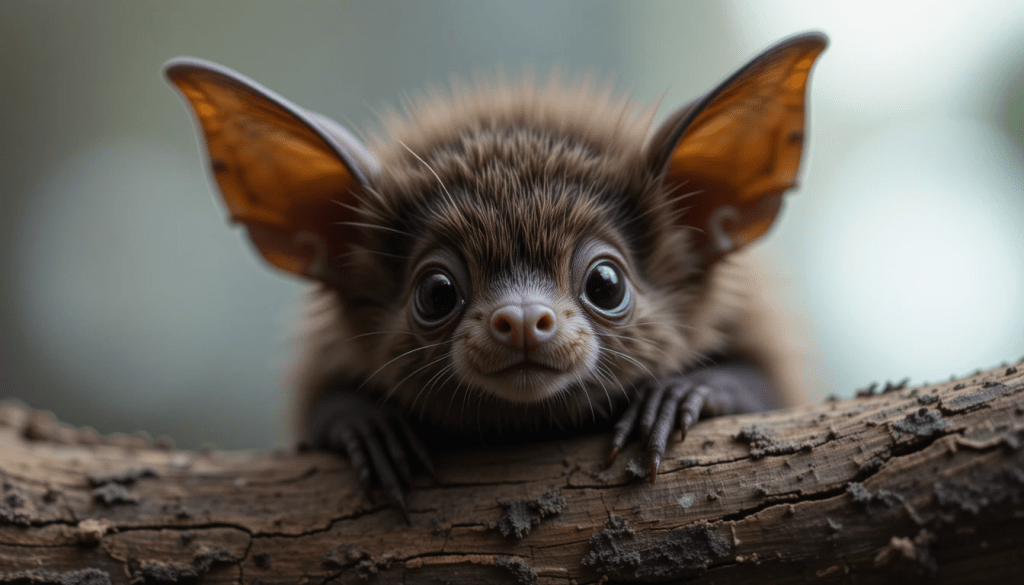
“Tap like and take flight beneath the moon’s velvet eye.” 🌙🦇
 Word of the Day - The English Nook
Leave a comment