

Maroon
IPA Pronunciation: /məˈruːn/
(Noun, Verb, Adjective)
Primary Definitions:
1. (Noun)
Maroon: A member of a community formed by formerly enslaved Africans who escaped from slavery and established free, self-governed settlements, particularly in the Americas and the Caribbean.
- Example: “The Maroons of Jamaica resisted colonial forces and maintained their independence through guerilla warfare and treaties.”
2. (Verb)
To maroon: To abandon someone in an isolated or inaccessible place, often with little hope of rescue — originally referring to mutineers or castaways left on deserted islands.
- Example: “The sailor was marooned on the island after a mutiny erupted aboard the ship.”
3. (Adjective / Noun – Color)
Maroon: A dark reddish-brown color.
- Example: “She wore a maroon shawl that reminded him of autumn leaves and aged wine.”
Etymology & Origins:
- The term “Maroon” (people) is believed to derive from the Spanish word cimarrón, meaning “wild” or “untamed,” originally used for escaped domesticated animals, and later applied to escaped enslaved persons.
- Cimarrón likely has roots in the Taino word símaran (wild) or the Arawakan language family.
- The color term “maroon” comes from the French marron (chestnut), referencing the hue of the nut’s outer shell.
Historical and Cultural Context (Maroon Communities):
1. Caribbean and the Americas:
- Jamaica: The Maroons of Jamaica are among the most renowned. After prolonged resistance, they secured treaties with the British in the 18th century, gaining land rights and autonomy in exchange for ceasing hostilities.
- Suriname: Maroons in Suriname (descendants of escaped enslaved Africans) established independent inland communities, maintaining African spiritual and cultural traditions to this day.
- Brazil: Known as Quilombos, especially the famed Quilombo dos Palmares, Maroon settlements in Brazil resisted Portuguese rule for nearly a century.
2. North America:
- In the U.S., particularly in the southern states and the Great Dismal Swamp, escaped slaves also formed Maroon communities, though less studied than those in the Caribbean.
Key Features of Maroon Societies:
- Autonomy and Resistance: Many Maroon groups fought colonizers using guerrilla tactics and built hidden settlements in mountainous or forested terrain.
- Cultural Retention: Maintained African languages, religions, and customs, often blending them with Indigenous and European influences.
- Treaties and Survival: Some communities, like the Jamaican Maroons, entered into treaties that granted them relative peace and land in return for policing runaway slaves — a point of historical complexity and debate.
- Spiritual Practices: Included ancestral worship, African drumming, and ritual dances, some of which persist in Afro-Caribbean culture today.
Synonyms and Related Terms:
- Fugitive Slave
- Runaway
- Quilombola (Brazil)
- Cimarrón (Spanish-speaking regions)
- Escaped Bondsperson
- Freedom Seeker
- Self-Liberated Person
Extended Usage – In Language & Literature:
- As Metaphor: “To maroon someone” now connotes emotional or psychological abandonment, not just physical isolation.
- Example: “He felt marooned in a sea of bureaucracy, with no lifeline in sight.”
- In Literature & Popular Culture:
- Robinson Crusoe, Swiss Family Robinson, and Pirates of the Caribbean invoke the romantic or tragic theme of marooning.
- In postcolonial literature, Maroon societies are symbols of resistance, cultural memory, and sovereignty.
Color Maroon – Symbolism & Usage:
- Color Family: A deep red-brown or wine-red, associated with richness, autumn, and dignity.
- Symbolic Meaning: Stability, groundedness, and seriousness; in design, it often implies tradition, elegance, and intensity.
- Example: Used in academic robes, military uniforms, and school colors for its dignified, bold character.
Modern Legacy & Recognition:
- Descendants: Many Maroon communities still exist, with descendants preserving languages (like Kromanti in Jamaica or Saramaccan in Suriname) and cultural practices.
- Legal Recognition: Some modern governments acknowledge Maroons as indigenous or distinct cultural groups, granting them certain rights to land and cultural expression.
- UNESCO and Cultural Heritage: Some Maroon music, oral history, and rituals are protected and studied as part of intangible cultural heritage.
Notable Figures and Events:
- Queen Nanny of the Maroons (Jamaica): A national hero known for her leadership in guerrilla warfare and spiritual guidance.
- The Treaty of 1739 (Jamaica): Granted the Maroons semi-autonomy, marking a rare moment where an enslaving empire conceded ground to a freed community.
Takeaway:
Maroon is a word that echoes across history, geography, and language. Whether referencing the courage of self-liberated people, a dark and dignified color, or the isolating act of abandonment, it encapsulates a world of struggle, survival, and identity. To understand Maroons is to engage with stories of resistance, cultural preservation, and the unyielding desire for freedom.
Originally published on April 22, 2025, on The-English-Nook.com.
More than a color—Maroon is a legacy of freedom.
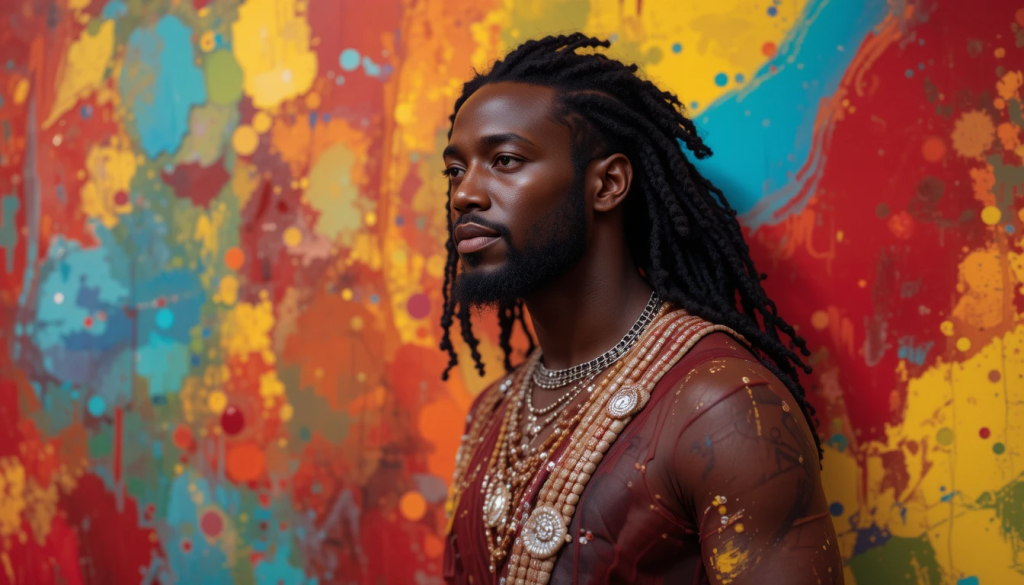
“Like this and wear your depths like the hue of maroon — unapologetically rich.” 🌊🎨
 Word of the Day - The English Nook
Leave a comment