
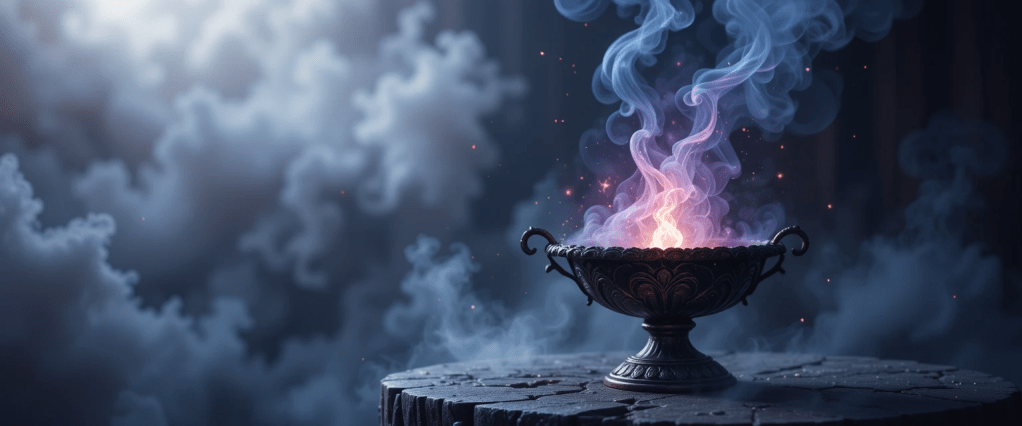
Djinn
IPA: /dʒɪn/
(Noun)
Plural: Djinn or Djinni (singular: Djinni), also spelled Jinn / Jinniyah (female form)
Definitions:
- Supernatural Beings in Islamic and Middle Eastern Mythology:
Invisible entities made of “smokeless fire,” believed to possess free will and occupy a world parallel to humans. They can be benevolent, malevolent, or neutral in nature.- Example: “The desert traveler whispered a prayer, wary of the djinn said to dwell in the dunes.”
- Spirits Capable of Shapeshifting and Influence:
Often seen as spirits who can assume different forms — human, animal, or elemental — and interact with or influence the physical world.- Example: “The djinni disguised himself as a beggar, listening in on the caliph’s court.”
- Beings of Folklore Associated with Magical Powers and Wishes:
In Western adaptations, especially through tales like Aladdin, djinn are often depicted as wish-granters bound to magical lamps or vessels.- Example: “He rubbed the ancient lamp, and a swirl of blue mist revealed a bound djinn.”
Etymology:
From Arabic جِنّ (jinn), plural of jinnī — derived from the root j-n-n, meaning “to hide” or “be concealed.” The same root gives rise to words like janin (embryo) and majnoon (possessed or mad), highlighting the hidden or unseen nature of these beings.
Origins and Cultural Context:
- Islamic Tradition:
Djinn are mentioned in the Qur’an as beings created by God from smokeless fire, distinct from humans (made of clay) and angels (made of light). They have communities, religions, and responsibilities, and are judged by God just like humans.- Surah Al-Jinn (72nd chapter of the Qur’an) directly addresses them.
- Pre-Islamic Beliefs:
In pre-Islamic Arabia, djinn were revered or feared as desert spirits, guardians of places, or agents of mischief. - Western Adaptations:
Tales from One Thousand and One Nights (Arabian Nights) brought djinn into global folklore, often romanticized as magical wish-givers, with Hollywood adaptations further shaping their portrayal (e.g., Disney’s Aladdin).
Types of Djinn (in Islamic folklore):
- Marid:
Proud, powerful, often rebellious. Known for controlling oceans and granting wishes — typically at a cost. - Ifrit (or Afrit):
Fiery, strong, vengeful — often depicted as malevolent spirits inhabiting the underworld or ruins. - Shayṭān:
Evil djinn aligned with Satan (Iblis); used generically to describe malevolent forces or whisperers of sin. - Ghoul:
Often associated with graveyards and desolation; shapeshifters who prey on humans. - Jann:
Considered more benevolent or neutral; desert dwellers with connections to ancient tribal cultures.
Examples in Context:
- “She felt the wind shift, and the scent of spices on the air — the djinn were listening.”
- “In the ruins of the city, it was said an ifrit still guarded the treasure, bound by a curse older than kings.”
- “Though unseen, the djinni’s presence filled the room, its voice like fire wrapped in velvet.”
- “In traditional healing rituals, one might attempt to negotiate with a possessing djinn.”
Synonyms & Related Concepts:
- Spirit, genie, elemental, daemon, shade, supernatural entity
- Related mythological beings: Kami (Japan), Faeries (Celtic), Preta (Hindu), Angels/Devils, Demons, Tulpas
Modern Cultural Impact:
- Literature & Media: Djinn appear in works like Neil Gaiman’s American Gods, The Bartimaeus Trilogy, and The Witcher series.
- Film & Television: Often reimagined — from sinister, wish-twisting spirits to charming allies — in films like Aladdin, Wishmaster, and shows like Supernatural or Ms. Marvel.
- Occult & Esoterica: In modern mysticism, djinn are sometimes invoked or studied as spirit entities with specific characteristics, comparable to goetic demons or elemental forces.
Interesting Facts:
- Binding a Djinn: In folklore, sorcerers or mystics could trap djinn in rings, lamps, or sealed vessels using magical sigils or Qur’anic verses.
- Possession Beliefs: In some cultures, unexplained mental illness or erratic behavior is attributed to djinn possession.
- Dual Nature: Djinn are neither wholly good nor evil; they mirror the moral complexity of humans.
Takeaway:
The djinn are more than mythical beings; they are enduring metaphors for the unseen, the powerful, and the unpredictable. With roots deep in desert mysticism and sacred scripture, they bridge the realms of fire and clay, of freedom and fate. Sometimes allies, sometimes adversaries, djinn challenge our understanding of what it means to be seen, heard, and known — yet remain cloaked in mystery.
Originally published on April 11, 2025, on The-English-Nook.com.

The Cat Djinn
A genie inspired by ancient djinn… but with whiskers and a love for books.
When Julia sets Miaujo free, a magical library is born—where fairies, talking cats, and dragons gather to read under the stars.
The story is in Spanish—perfect if you speak it or want to practice.
Dare to discover the first wish?
La Lámpara de los Gatos
“Born of fire, cloaked in mystery — the djinn are the legends that whisper between worlds.”
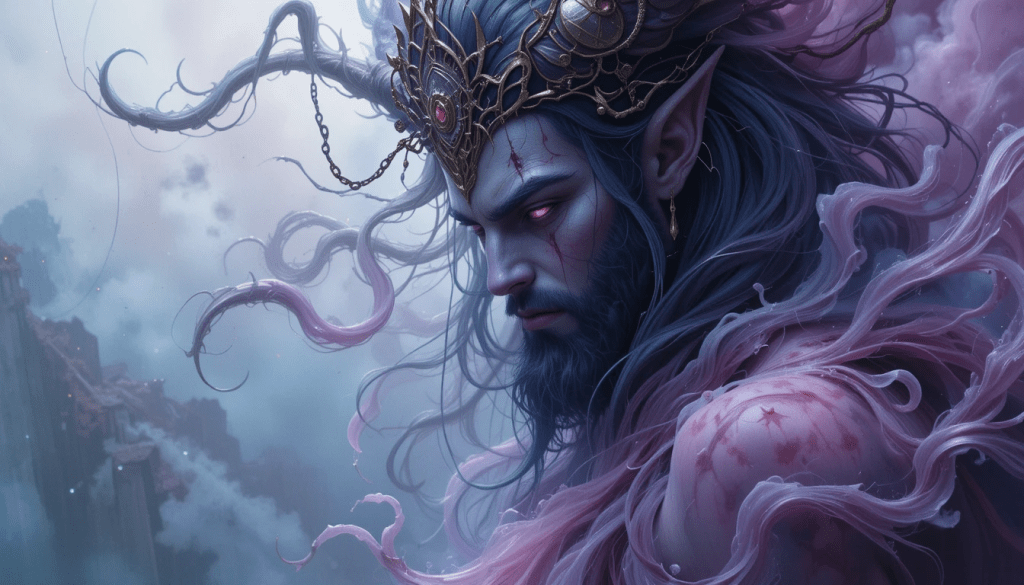
“Like this and feel the smoke curl — the story begins with a spark.” 🧞♀️🪔
 Word of the Day - The English Nook
Leave a comment