
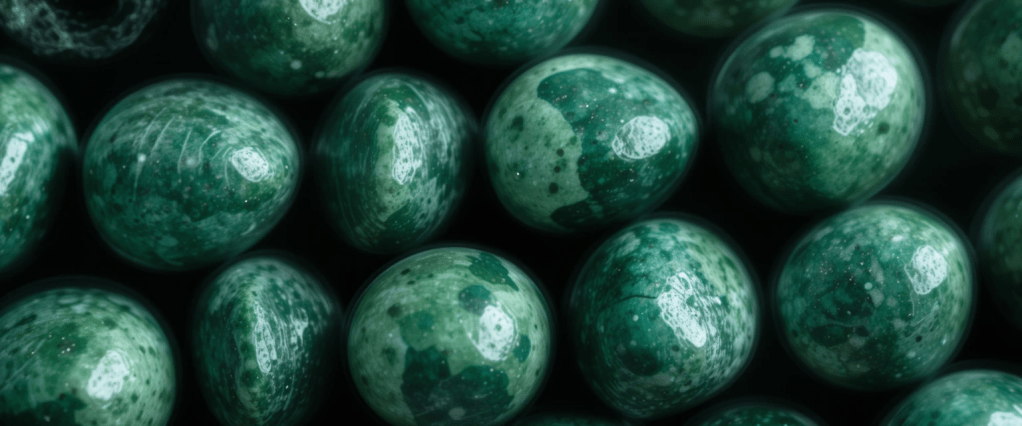
Pounamu
IPA: /ˈpoʊnɑːmuː/
(Noun)
Also known as: Greenstone (in English), but Pounamu is the culturally preferred Māori term.
Definitions:
- A Type of Hard, Durable Greenstone (Nephrite or Bowenite):
Found primarily in the South Island of New Zealand, pounamu is a precious stone highly valued by the Māori people for its strength, beauty, and spiritual significance.- Example: “The warrior wore a pendant carved from pounamu, passed down through generations.”
- A Symbol of Prestige, Heritage, and Spiritual Connection:
Used in traditional tools, weapons, and especially in personal adornment like hei-tiki (pendants), pounamu holds deep ancestral meaning.- Example: “The gifting of pounamu marked a sacred bond between the two iwi (tribes).”
Etymology and Cultural Roots:
- The word Pounamu comes from the Māori language, referring to several varieties of greenstone found in Aotearoa (New Zealand).
- Europeans later coined the term greenstone, but pounamu is culturally preferred, encompassing the stone’s spiritual and ancestral importance to Māori iwi (tribes), especially those of Te Wai Pounamu (the South Island, literally “the Waters of Greenstone”).
Types of Pounamu:
There are several varieties, each with distinct color and qualities. Some of the most revered include:
- Kawakawa: Deep green with darker inclusions; often used in weapons and tools.
- Inanga: Pale, pearly white-green; traditionally associated with peace and wisdom.
- Kahurangi: Bright, vivid green with minimal markings—highly prized and rare.
- Totoweka: Green with reddish streaks—said to resemble the blood of the now-extinct weka bird.
Traditional Uses:
- Ornaments and Heirlooms:
- Hei-tiki (neck pendants), ear adornments, breastplates, and decorative objects often carved with ancestral designs.
- Passed down as taonga (treasures), carrying the mana (prestige, power) of previous generations.
- Tools and Weapons:
- Pounamu was carved into mere (short club-like weapons), chisels, and adzes due to its extreme hardness and ability to be sharpened to a fine edge.
- Gift Exchange and Treaty Symbolism:
- Gifting pounamu is deeply symbolic, marking peace agreements, weddings, important alliances, or the honoring of a life.
Spiritual and Cultural Significance:
- Mana and Tapu:
Pounamu is considered tapu (sacred) and holds mana. It connects the wearer to their ancestors and the land. - Wairua (Spirit):
Carved pounamu objects are believed to absorb the spirit of those who wear them. Thus, inherited pounamu is not only a family heirloom but a vessel of ancestral presence. - Connection to Aotearoa:
Pounamu is inextricably linked to the South Island of New Zealand, which is named Te Wai Pounamu in Māori—“The Waters of Greenstone.”
Examples in Context:
- “The carver worked with deep reverence, shaping the pounamu pendant according to traditional tikanga (customs).”
- “As he put on the hei-tiki, he felt the weight not just of the stone, but of his whakapapa (genealogy).”
- “They followed the trail of the old pounamu trade routes that once crisscrossed the Southern Alps.”
Modern Usage and Legal Protection:
- Pounamu remains a protected resource, and its collection is governed by agreements with Ngāi Tahu, the iwi that holds traditional custodianship over the pounamu-bearing regions of the South Island.
- Authentic pounamu is often certified, and counterfeit imports are discouraged to protect cultural integrity and indigenous rights.
Synonyms and Related Terms:
- Greenstone (less preferred, colonial-era term)
- Taonga: Treasure or sacred object
- Hei-tiki, Mere, Toki: Traditional forms carved from pounamu
- Mana, Tapu, Whakapapa: Key concepts tied to pounamu’s significance
Interesting Facts:
- Pounamu is among the few materials that can be passed from hand to hand without losing its tapu if done through a sacred gifting ceremony.
- Māori believe that pounamu chooses the wearer, especially when gifted rather than purchased.
- The carving of pounamu requires immense skill, often done with diamond-tipped tools and guided by spiritual ritual.
Takeaway:
Pounamu is more than just a beautiful green stone—it is a sacred thread connecting people, land, ancestry, and spirit. Worn close to the heart, it becomes a guardian, a storyteller, and a symbol of identity. To hold pounamu is to hold Aotearoa itself—alive with history, mana, and meaning.
Originally published on April 8, 2025, on The-English-Nook.com.
Pounamu and the Power of Kiwi English 💚
Like pounamu—New Zealand’s treasured greenstone—Kiwi English is unique, shaped by land, culture, and time. It carries Māori influences, British echoes, and local creativity in every “eh?” and vowel shift.
🌿 Want to explore a variety of English that’s as rich and meaningful as the stone itself? Dive in and discover how language speaks the soul of Aotearoa.
British English vs. New Zealand English
Not just a stone—pounamu is a soul carved in green.
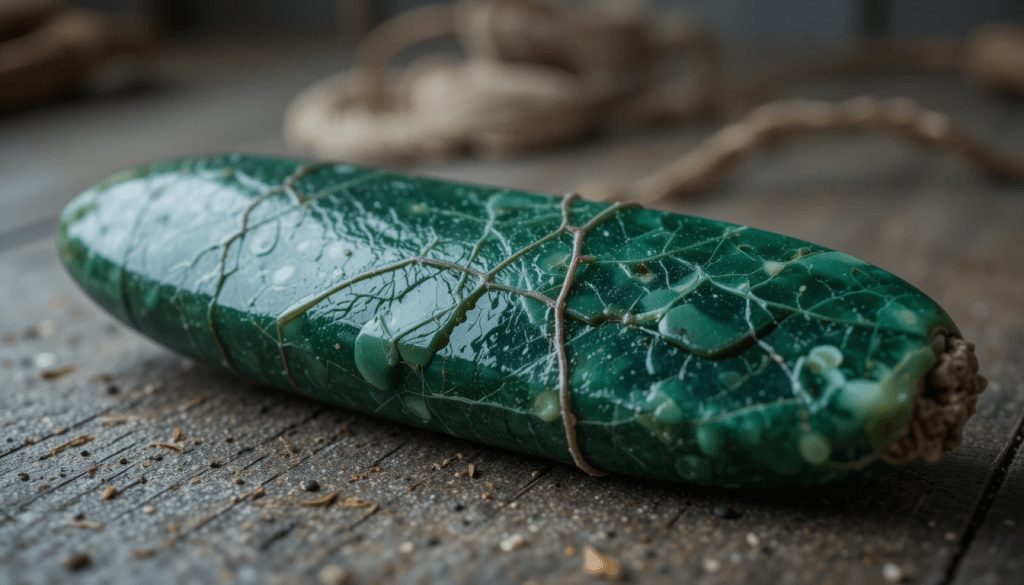
“Tap like and carry the mana of pounamu — resilient, grounded, eternal.” 🌿🗿
 Word of the Day - The English Nook
Leave a comment