
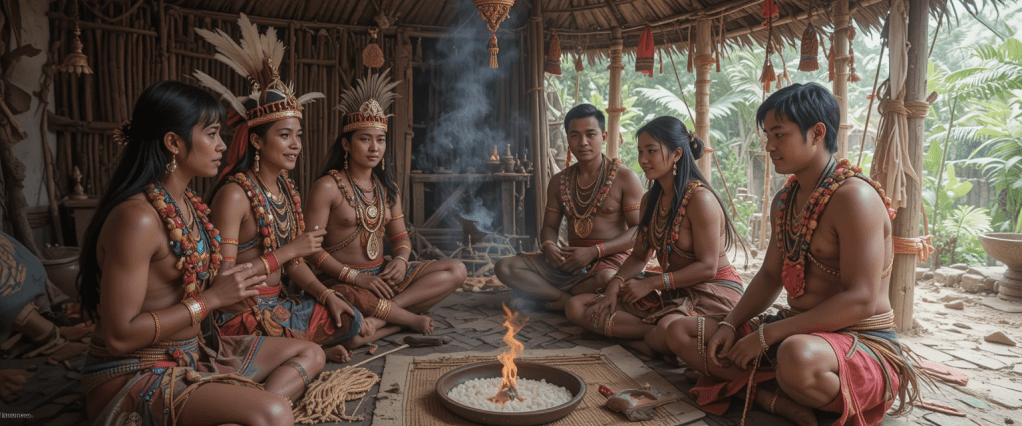
Autochthonous
IPA: /ɔːˈtɒkθənəs/
(Adjective)
Definitions:
- Indigenous or Native to a Particular Place:
Refers to people, species, customs, or phenomena that originated in the place where they are found, rather than being introduced or imported.- Example: “The olive tree is autochthonous to the Mediterranean region.”
- Originating Where Found (In Geology or Biology):
In scientific contexts, it describes rock formations, sediments, or biological specimens that developed in their present location, without displacement.- Example: “The fossil was found in autochthonous rock layers, indicating it had not been moved from its original resting place.”
- Rooted in the Soil or Culture of a Land:
Often used metaphorically to describe cultural or philosophical systems deeply rooted in the local heritage.- Example: “The tribe preserved an autochthonous spiritual practice untouched by colonial influence.”
Etymology and Origins:
From Ancient Greek αὐτόχθων (autokhthōn), meaning “sprung from the land itself,” composed of auto- (“self”) + chthōn (“earth” or “soil”). It was originally used in Greek mythology to describe beings born directly from the soil of their homeland—literal “children of the earth.”
- Example: “The Athenians considered themselves autochthonous, claiming descent from the very soil of Attica.”
Contextual Applications:
- Anthropology & Sociology:
- Refers to indigenous or aboriginal peoples with ancestral ties to a land, often in contrast with colonizing or migrant groups.
- Example: “Autochthonous populations often face cultural and political challenges in preserving their identity.”
- Geology:
- Describes rock strata, minerals, or fossil formations that formed in place, as opposed to allochthonous materials, which were transported from elsewhere.
- Example: “The region’s bedrock is largely autochthonous, indicating minimal tectonic disruption.”
- Biology & Ecology:
- Applied to flora and fauna species that evolved naturally in a specific habitat, forming part of the native ecosystem.
- Example: “The autochthonous fish species in the lake are indicators of a stable aquatic environment.”
- Cultural Studies:
- Refers to traditions, myths, languages, and belief systems that have developed organically within a region.
- Example: “Autochthonous folk music reflects the rhythms and textures of the land from which it arises.”
Synonyms and Related Terms:
- For Indigenous/Natural: Native, aboriginal, endemic, rooted, primordial
- Opposite Terms: Allochthonous (originating elsewhere), foreign, invasive, migratory
Antonyms:
- Migrant, introduced, non-native, foreign, exogenous, imported
Examples in Context:
- “The autochthonous tribes of the Amazon basin have preserved their language despite outside pressures.”
- “These autochthonous sediments formed millions of years ago beneath a now-dry inland sea.”
- “His philosophy is deeply autochthonous, shaped by the myths and mores of his homeland.”
- “Efforts to preserve autochthonous languages are vital for maintaining cultural heritage.”
Philosophical and Cultural Significance:
Autochthony often becomes a foundation for identity and legitimacy, especially in mythology, national narratives, and land rights debates. In classical mythology, it symbolized a sacred, intrinsic connection to the land—those “born of the earth” had a rightful claim to it.
In modern sociopolitical discourse, the term can also carry weight in conversations about nativism, belonging, and ancestral sovereignty.
Interesting Facts:
- In mythology, autochthonous beings like the Spartoi (sown men) in Theban legend were said to emerge from the soil, fully armed—literal guardians of the land.
- In ecology, the balance between autochthonous and allochthonous species is critical in understanding ecosystems and their resilience.
- In geology, recognizing whether formations are autochthonous helps scientists understand tectonic history and sedimentary environments.
Takeaway:
Autochthonous is a richly layered word that evokes a profound sense of origin, rootedness, and authenticity. Whether describing people, rocks, traditions, or ideas, it marks what belongs natively and inherently to a place—arising from the very soil, history, and spirit of the land.
Originally published on April 5, 2025, on The-English-Nook.com.

Autochthonous Speech: Sounding Truly Native in Spanish
To speak Spanish like a local, you need more than vocabulary—you need the autochthonous rhythm of the language. Words like pues, o sea, and a ver aren’t filler—they’re bridges between thoughts, emotion, and authenticity. They’re what native speakers use without thinking.
✨ Discover how these natural elements shape real conversation—read the full piece.
Spanish Fillers and Natural Connectors: The Key to Sounding Fluent and Native
Autochthonous: when something doesn’t just belong—it was born from the very ground you stand on.
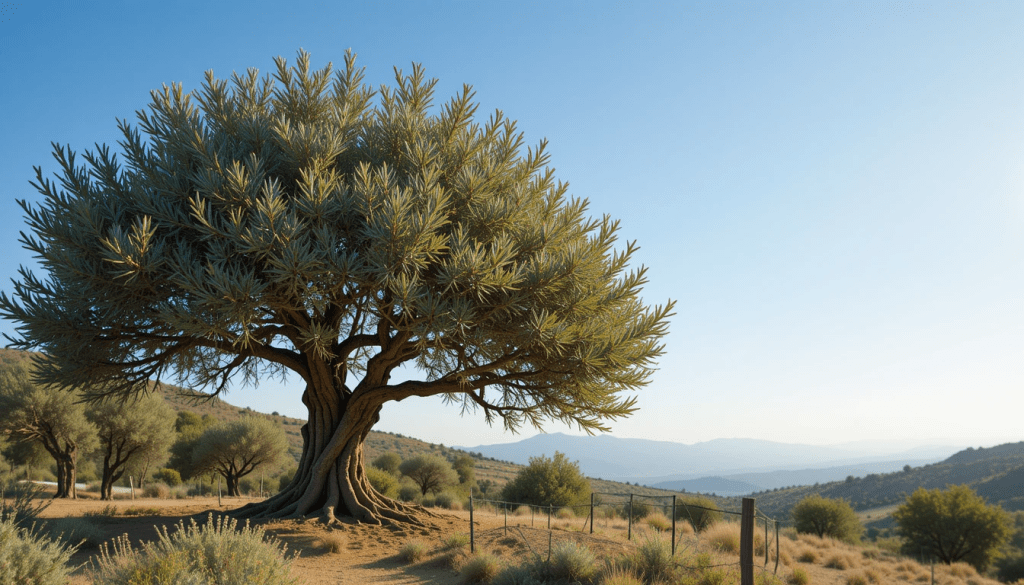
“Tap like and stand with what is born of the land itself.” 🪨🌿
 Word of the Day - The English Nook
Leave a comment