
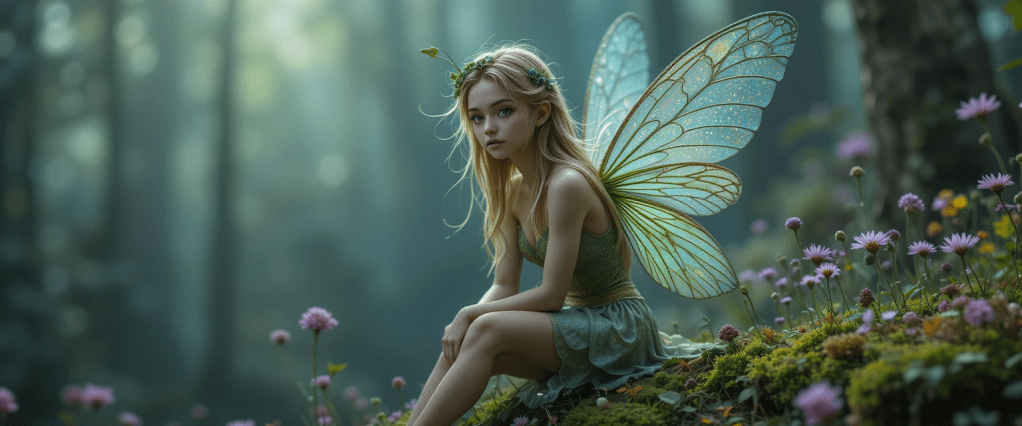
Seelie
IPA: /ˈsiː.li/
(Adjective & Noun)
Definitions:
- (Adjective) Fortunate, Blessed, or Benevolent:
- Referring to someone or something imbued with good fortune, kindness, or a supernatural sense of grace.
- Example: “The traveler was fortunate to encounter a seelie spirit that guided them through the misty woods.”
- (Noun) A Member of the Seelie Court (Scottish Folklore):
- In Celtic and Scottish folklore, the Seelie Court consists of fairies known for their generally benevolent, though sometimes mischievous, nature.
- Example: “Legends tell of the Seelie who aid those who show them respect but may prank those who offend them.”
Expanded Explanation:
Etymology and Origins:
The word Seelie originates from the Old English sælig (meaning happy, lucky, or blessed), which evolved into the Scots term seilie, often describing something fortunate or good-natured. Over time, the term became associated with fairy folklore, particularly in Scottish and Irish traditions.
- Example: “In medieval Scotland, a ‘seilie’ person was considered lucky, often watched over by the fair folk.”
The Seelie and Unseelie Courts in Folklore:
- The Seelie Court (The Kindly Ones):
- A group of fairies who are generally kind to humans, known to bestow blessings, aid lost travelers, or offer warnings of danger.
- However, they still follow their own rules and may trick or punish those who do not show them proper respect.
- Example: “A lone wanderer who left milk and honey as an offering was said to earn the favor of the Seelie Court.”
- The Unseelie Court (The Darker Fairies):
- Unlike the Seelie, the Unseelie Court is considered more malevolent, often tricking, harming, or luring humans into danger.
- These fae are known for their night-time mischief and hostility toward mortals.
- Example: “While the Seelie may help a lost soul, the Unseelie might lead them astray into the deep woods.”
Cultural and Mythological Significance:
- Scottish and Irish Folklore: The Seelie Court is part of a duality in fairy lore, balancing the light and dark aspects of the fae.
- Medieval Beliefs: People left offerings of food, milk, and trinkets to appease the Seelie and avoid offending them.
- Modern Fantasy Influence: The Seelie and Unseelie Courts have inspired fantasy literature, including books, role-playing games, and media depicting fairy hierarchies.
Types and Contextual Uses:
- In Literature and Fantasy:
- Writers often use “Seelie” to describe fairies aligned with nature, light, or beneficial magic.
- Example: “The Seelie queen ruled over an enchanted realm filled with golden meadows and twilight forests.”
- In Superstition and Folklore:
- People historically believed that meeting a Seelie fairy could bring good luck, provided the fairy was treated well.
- Example: “A whisper in the wind was thought to be the Seelie Court passing by unseen.”
- In Metaphorical and Poetic Use:
- “Seelie” can metaphorically describe a person with a mystical or otherworldly grace.
- Example: “Her laughter had a seelie charm, as if she belonged to another world entirely.”
Synonyms and Related Terms:
- For Kindness/Fortune: Blessed, lucky, enchanting, ethereal, mystical
- For Folklore Associations: Fairy, fae, sprite, nymph, guardian spirit
Antonyms:
- For Benevolence: Cursed, unfortunate, unlucky
- For Seelie vs. Unseelie: Dark fae, trickster, banshee, goblin
Examples in Context:
- “The weary traveler was relieved when a Seelie fairy pointed the way home.”
- “Though the Seelie Court was kinder than the Unseelie, they were still mischievous and unpredictable.”
- “Legends speak of a Seelie guardian that protects the ancient forest from harm.”
- “With an almost seelie glow about her, she moved like a dream through the mist.”
Interesting Facts:
- The Seelie and Unseelie Courts were not absolute alignments—some fairies moved between the two, and their behavior depended on circumstances.
- The word “seelie” is related to “silly,” but originally “silly” meant “happy” or “fortunate” before shifting in meaning.
- Many Scottish and Irish traditions still include references to fae folk, and some rural areas continue to practice old customs like leaving gifts for fairies.
Takeaway:
A Seelie being is one of fortune, kindness, and mystery—though still mischievous in its own way. Whether in folklore, fantasy, or poetic descriptions of the mystical and enchanting, the term evokes a sense of magic, wonder, and the unseen forces that shape the world.
Originally published on April 3, 2025, on The-English-Nook.com.
Seelie and the Whispering Bloom
Among the Seelie, magic is ever-shifting—light, ethereal, and bound to the unseen. Sylwen’s transformation was no end, but a passage, her essence woven into the land itself. As petals shimmered with ancient whispers, the wind carried her story forward.
✨ Step into the realm of enchantment—read more!
The Fairy Who Became a Flower
Blessed or beguiled? The Seelie Court may grant fortune—but never forget, even kindness comes with a trick!
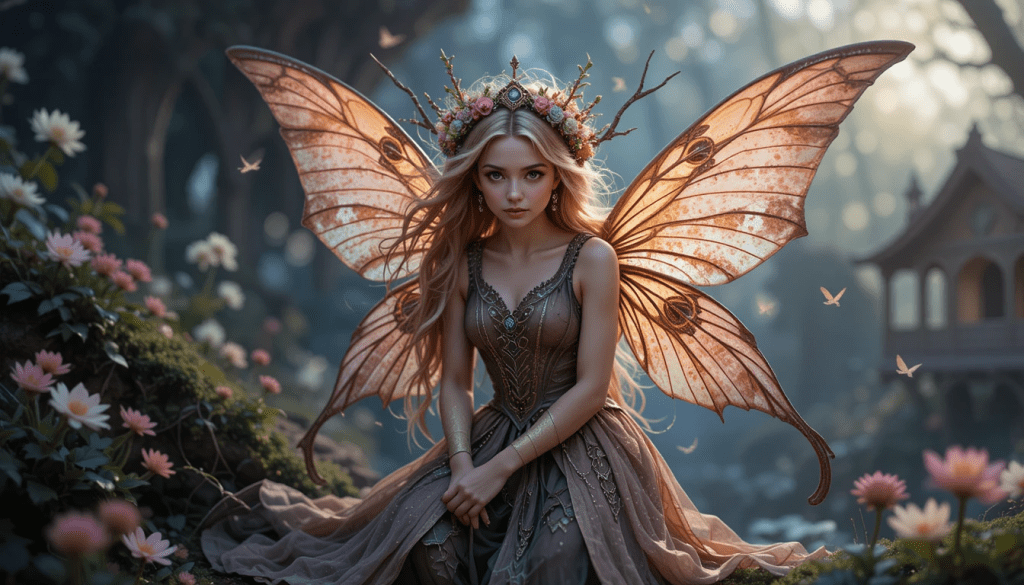
“Tap like and let the Seelie Court bless your path with light!” 🌿💫
 Word of the Day - The English Nook
Leave a comment