
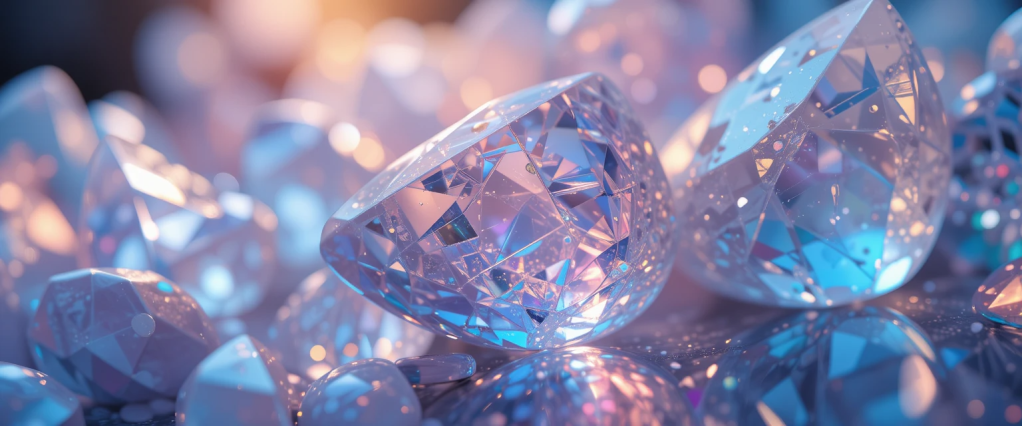
Diaphaneity
IPA: /ˌdaɪ.əˈfeɪ.ni.ə.ti/
(Noun)
Definitions:
- The Quality of Being Transparent or Translucent: The degree to which a material allows light to pass through, ranging from complete transparency to partial translucency.
- Example: “The crystal’s diaphaneity made it appear almost invisible when held against the light.”
- Metaphorical Clarity or Delicacy: Used figuratively to describe something light, delicate, or ethereal in nature—such as an idea, a piece of fabric, or an artistic expression.
- Example: “Her poetry had a certain diaphaneity, evoking images of mist and moonlight.”
Explanation:
Etymology and Origins:
The term diaphaneity originates from the Greek word diaphanēs (διάφανης), meaning “to shine through” (dia- meaning “through” and phainein meaning “to show or appear”). It later evolved through Medieval Latin as diaphaneitas before entering the English language in the 17th century.
- Example: “Ancient glassmakers experimented with minerals to enhance the diaphaneity of their creations, leading to innovations in stained glass and optics.”
Types and Contextual Uses:
- Scientific & Optical Diaphaneity: The study of how light interacts with different substances, particularly in mineralogy, physics, and optics.
- Example: “A gemstone’s diaphaneity determines its classification as transparent, translucent, or opaque.”
- Mineralogical & Geological Diaphaneity: Used to describe how well light passes through minerals and gemstones, an important factor in gemstone valuation.
- Example: “Quartz exhibits varying levels of diaphaneity, from clear rock crystal to cloudy milky quartz.”
- Artistic & Aesthetic Diaphaneity: Refers to materials or designs that convey lightness, subtlety, or an ethereal quality, often applied to fabrics, paintings, and architecture.
- Example: “The diaphaneity of the silk gown gave it an air of elegance and mystery.”
- Philosophical & Literary Diaphaneity: A metaphorical concept symbolizing transparency in thought, meaning, or emotion.
- Example: “The diaphaneity of his intentions was evident; he had nothing to hide.”
Synonyms and Related Terms:
- For Transparency: Clarity, pellucidity, translucence, limpidity
- For Lightness & Delicacy: Ethereality, gossamer, airiness
- For Metaphorical Meaning: Candidness, openness, purity
Antonyms:
- For Opacity: Opaqueness, cloudiness, murkiness
- For Heaviness & Density: Solidity, weightiness, impenetrability
Examples in Context:
- “The diamond’s exceptional diaphaneity made it one of the most sought-after gems in the collection.”
- “The sheer curtains, with their exquisite diaphaneity, allowed soft sunlight to filter into the room.”
- “Her emotions, once guarded, now shone with diaphaneity as she spoke from the heart.”
- “The philosopher valued diaphaneity in discourse, believing truth should be as clear as crystal.”
Cultural and Scientific Significance:
- Mineralogy & Gemology: The diaphaneity of minerals is crucial in identifying gemstones and assessing their optical properties.
- Art & Design: Transparency in architecture and fashion has been used to create illusions of weightlessness and movement.
- Symbolism in Literature: Authors often use diaphaneity metaphorically to convey openness, vulnerability, or the ethereal nature of dreams.
- Physics & Optics: Diaphaneity is a fundamental concept in the study of light refraction, lens design, and optical clarity.
Interesting Facts:
- Diamonds and Water Both Exhibit High Diaphaneity: This property makes them highly valued for clarity and purity.
- Ancient Alchemists Sought Perfect Diaphaneity: They believed it signified spiritual purity and enlightenment.
- Gothic Architecture Uses Diaphaneity: Stained-glass windows allow light to pass through while creating intricate visual effects.
- Butterfly Wings Show Natural Diaphaneity: Many species have transparent or semi-transparent wings, allowing them to blend into their surroundings.
Takeaway:
Diaphaneity is more than just transparency—it represents clarity, openness, and lightness, whether in the physical world of gemstones and optics or in the abstract realms of thought and art. From the glow of a delicate fabric to the crystalline brilliance of a diamond, diaphaneity shapes our perception of beauty, truth, and illumination.
Originally published on March 25, 2025, on The-English-Nook.com.
Diaphaneity and Storytelling: A Delicate Transparency
Diaphaneity, meaning the degree to which something allows light to pass through, perfectly describes the Glass Forest in the story. The crystalline trees are not just transparent but alive with shimmering clarity, allowing sound, light, and color to flow freely. Like diaphanous fabric, these trees reveal both mystery and depth. For Cadence, their ethereal beauty shows that fragile transparency can hold immense power—blurring the line between illusion and reality, and opening doors to magical, unseen worlds.
The Glass Forest
Let light shine through — discover the beauty and brilliance of diaphaneity in nature, art, and thought!
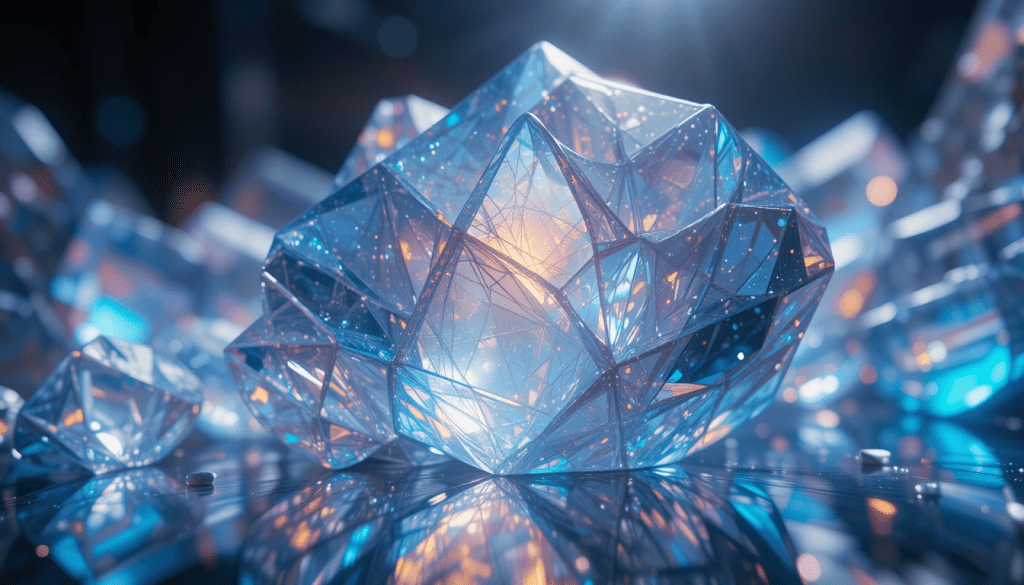
“Tap like and let light pass through, soft and clear — diaphaneity in motion!” ✨🌿
 Word of the Day - The English Nook
Leave a comment