
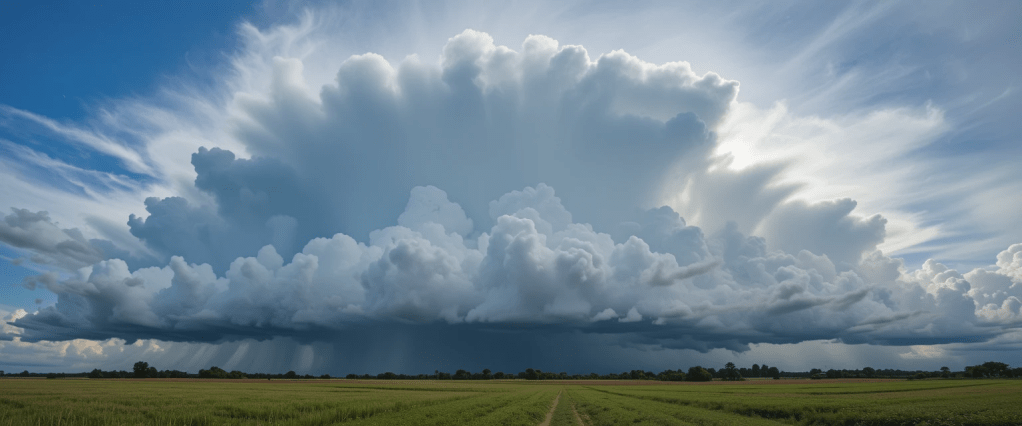
Cumulonimbus
IPA: /ˌkjuːmjʊloʊˈnɪmbəs/
(Noun)
Definitions:
- A Towering, Dense Thunderstorm Cloud: A massive, vertically developed cloud type associated with thunderstorms, severe weather, and atmospheric instability.
- Example: “The cumulonimbus cloud loomed over the horizon, signaling an impending storm.”
- A Cloud Capable of Producing Extreme Weather: This cloud type is responsible for phenomena such as heavy rain, lightning, tornadoes, hail, and strong winds.
- Example: “Pilots are trained to avoid cumulonimbus clouds due to their hazardous turbulence.”
Explanation:
Formation and Structure:
Cumulonimbus clouds develop from cumulus clouds under conditions of significant atmospheric instability. They typically form when warm, moist air rises rapidly and condenses at high altitudes. Their structure can extend from the lower atmosphere (a few thousand feet) to the stratosphere (over 50,000 feet or more).
- Example: “The rapid updrafts within a cumulonimbus cloud contribute to the formation of hail and lightning.”
Key Structural Features:
- Anvil Top (Incus): The upper portion spreads out due to strong winds in the upper atmosphere, creating the characteristic anvil shape.
- Example: “The flattened top of the cumulonimbus cloud indicated strong upper-level winds.”
- Updraft and Downdraft Zones: The rising and falling air currents within the cloud contribute to extreme weather conditions.
- Example: “The intense updrafts inside a cumulonimbus cloud can suspend hailstones for long periods, allowing them to grow larger.”
- Precipitation Core: This region contains heavy rain, hail, and possibly tornadoes.
- Example: “A cumulonimbus cell unleashed torrential rain, flooding the streets within minutes.”
Types and Associated Weather Phenomena:
Cumulonimbus clouds can be classified based on their intensity and associated weather.
- Cumulonimbus Calvus: A developing stage with a puffy, cauliflower-like top.
- Example: “The cumulonimbus calvus indicated a growing thunderstorm.”
- Cumulonimbus Capillatus: A mature stage with an anvil-shaped top and well-developed storm features.
- Example: “The cumulonimbus capillatus cloud produced severe lightning and hail.”
- Supercell Cumulonimbus: A highly organized storm system capable of producing tornadoes.
- Example: “A massive supercell cumulonimbus cloud spawned a destructive tornado.”
Historical and Scientific Significance:
- Severe Weather Events: Many of the most devastating thunderstorms, tornadoes, and hurricanes are associated with cumulonimbus clouds.
- Example: “The 1925 Tri-State Tornado, one of the deadliest in U.S. history, originated from a massive cumulonimbus cloud system.”
- Aviation and Meteorology: Pilots avoid flying near cumulonimbus clouds due to extreme turbulence and potential lightning strikes.
- Example: “Meteorologists study cumulonimbus formations to improve severe weather forecasting.”
- Space and Global Impact: These clouds can extend into the stratosphere and influence global weather patterns.
- Example: “Towering cumulonimbus clouds over the tropics play a role in heat transfer across the planet.”
Synonyms and Related Terms:
- For Cloud Types: Thunderhead, storm cloud, towering cumulus
- For Weather Events: Thunderstorm, squall, supercell
Antonyms:
- For Clear Weather: Cumulus humilis, stratocumulus, cirrus
Examples in Context:
- “The cumulonimbus cloud darkened the sky, bringing heavy rain and lightning within minutes.”
- “As the pilots navigated the storm, they carefully avoided the turbulent cumulonimbus formations.”
- “The towering cumulonimbus clouds over the Great Plains signaled the potential for severe tornadoes.”
- “Researchers used satellite imagery to track the movement of cumulonimbus clouds across the ocean.”
Interesting Facts:
- Cumulonimbus clouds can reach up to 75,000 feet (23 km) in height in extreme cases.
- Lightning produced by cumulonimbus clouds can strike over 10 miles away from the storm’s center.
- Some cumulonimbus clouds have been observed on other planets, including Jupiter and Saturn, indicating intense atmospheric activity.
Takeaway:
Cumulonimbus clouds are among the most powerful and dynamic meteorological phenomena, capable of producing thunderstorms, hail, tornadoes, and extreme winds. Their towering structure and explosive development make them essential to understanding severe weather patterns and atmospheric science. Whether admired from a distance or studied for their impact on aviation and climate, these clouds represent nature’s raw and unpredictable power.
Originally published on March 16, 2025, on The-English-Nook.com.

Cumulonimbus: Storms, Disasters, and Language
When the skies darken and natural disasters strike, clear communication is essential. If you are learning Spanish or English, mastering disaster-related vocabulary helps you understand news reports, safety guidelines, and emergency procedures. This guide covers key terms, pronunciation, and useful phrases to enhance preparedness and response in critical situations.
Vocabulario de Desastres Naturales – Inglés-Español
When a cumulonimbus rises, expect the sky to unleash its fury!
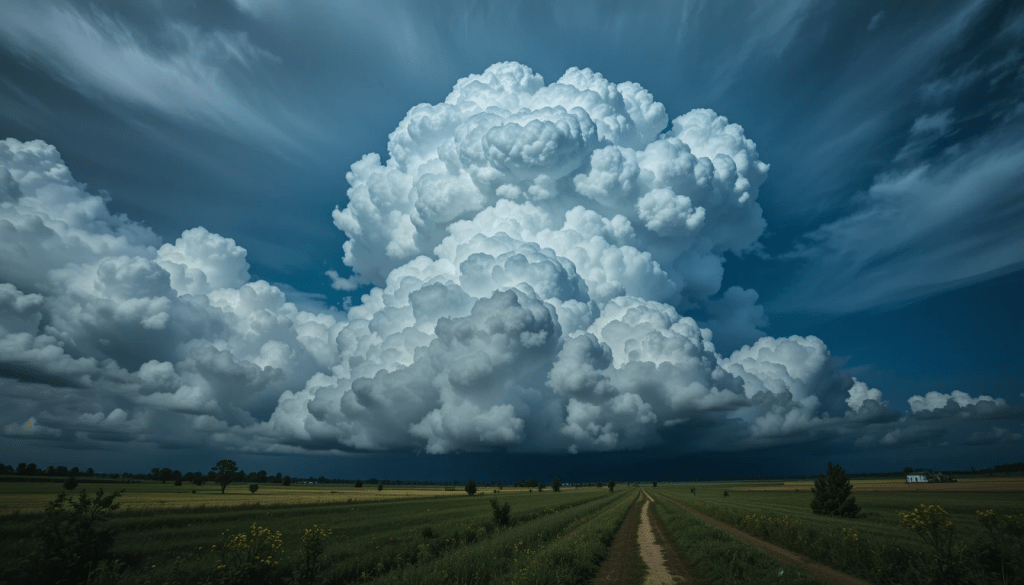
“Tap like and let the storm build—towering and electric!” ⛈️⚡
 Word of the Day - The English Nook
Leave a comment