
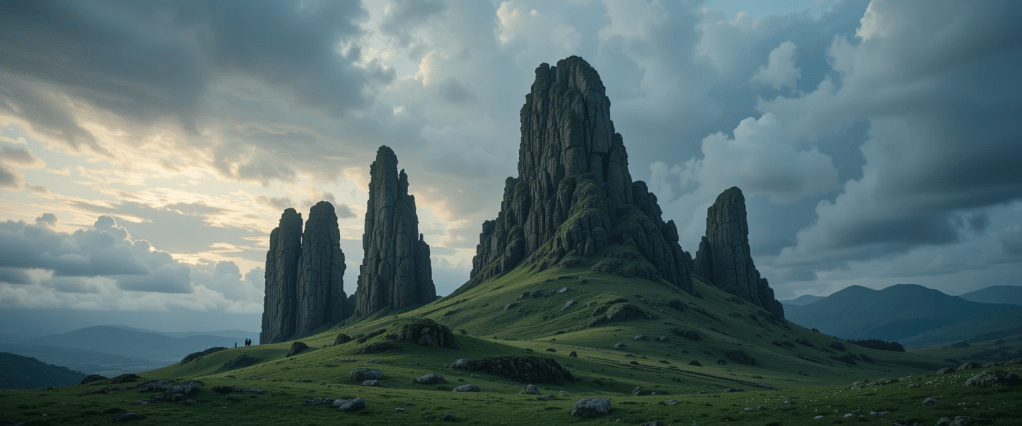
Tor
IPA: /tɔːr/
(Noun – Geography, Geology, Folklore, Symbolism)
Definitions:
- A High Rock or Pile of Rocks on a Hill: A natural geological formation consisting of exposed rock masses, often found on the summits of hills or mountains.
- Example: “The hikers reached the tor, where they paused to admire the panoramic view.”
- A Rocky Peak or Crag: A weathered outcrop of rock, typically found in moorland or upland regions, shaped by erosion and time.
- Example: “The granite tor stood defiantly against the wind and rain, a sentinel over the landscape.”
- A Prominent Geological Feature in Certain Regions: Particularly associated with areas such as Dartmoor in England, where tors dominate the terrain.
- Example: “Dartmoor’s famous tors attract geologists and adventurers alike.”
- A Place of Mystical or Folkloric Importance: Tors are often featured in myths, legends, and folklore, believed to be sacred places or dwelling sites of spirits.
- Example: “Legends claim that the tor is an ancient gateway to another realm.”
Explanation:
Etymology and Origins:
The word “tor” derives from Old English torr, which itself likely has Celtic or pre-Celtic origins, meaning “rocky peak” or “high crag.” Its use has been consistent in English to describe rugged natural rock formations that emerge from the earth.
- Example: “The ancient Celts may have considered tors as sacred landmarks in their spiritual traditions.”
Geological Significance:
- Formation Process: Tors are typically the result of prolonged erosion and weathering of harder rock types such as granite. Over millennia, softer surrounding material wears away, leaving behind these striking formations.
- Example: “The granite tors of Dartmoor formed through a combination of freeze-thaw cycles and chemical weathering.”
- Notable Locations: Famous tors exist across the world, with prominent examples in the British Isles, Australia, and the United States.
- Example: “Haytor and Bowerman’s Nose are among the most iconic tors in England.”
- Impact on Landscapes: These formations often shape local ecosystems by creating microhabitats for plant and animal species adapted to rocky environments.
Folklore and Mythology:
Tors have long been enveloped in folklore, with many serving as sites of mythological or supernatural significance. Some cultures believe tors to be enchanted places, linked to faeries, spirits, or ancient gods.
- Dartmoor Legends: Stories of witches, ghosts, and giants are associated with many of Dartmoor’s tors.
- Example: “Bowerman’s Nose is said to be the petrified remains of a huntsman cursed by witches.”
- Sacred Sites: Some tors are believed to have been used for ancient rituals, druidic ceremonies, or as landmarks for navigation by early peoples.
- Example: “Glastonbury Tor is often associated with Avalon and Arthurian legend.”
Cultural and Symbolic Importance:
- Landmarks in Literature and Art: Tors have inspired poets, writers, and painters throughout history, symbolizing endurance, mystery, and the power of nature.
- Example: “Sir Arthur Conan Doyle’s ‘The Hound of the Baskervilles’ was set in the tor-filled landscape of Dartmoor.”
- Symbol of Resilience: The ability of tors to withstand time and weather makes them metaphors for strength, stability, and longevity.
- Example: “The tor remained standing through centuries of storms, a testament to nature’s resilience.”
- Tourism and Outdoor Recreation: Many tors are popular hiking destinations, drawing outdoor enthusiasts and spiritual seekers alike.
- Example: “Thousands of visitors trek to tors each year to experience their rugged beauty firsthand.”
Synonyms and Related Terms:
- For Rocky Peaks: Crag, outcrop, summit, knoll
- For Geological Features: Monadnock, butte, hillock
Antonyms:
- For Flat or Low-Lying Land: Valley, plain, depression, basin
Examples in Context:
- “The climbers braved the harsh winds as they ascended the tor, determined to reach the peak.”
- “Legends say the tor is home to the spirits of ancient warriors, watching over the land below.”
- “Geologists have studied the tor for decades, marveling at its resilience to erosion.”
- “The tor’s silhouette against the setting sun made for a breathtaking view.”
Interesting Facts:
- Tors and Stone Circles: Some ancient stone circles, such as those in Britain, are built near tors, possibly indicating their spiritual significance to early civilizations.
- Tors on Other Planets: Martian landscapes have features similar to Earth’s tors, hinting at similar geological processes beyond our planet.
- Tor-Related Place Names: Many locations derive their names from tors, such as “Torquay” (Tor Key) in England.
Takeaway:
A tor is more than just a rocky peak—it is a geological wonder, a storied landmark, and a symbol of nature’s enduring power. Whether admired for its rugged beauty, explored for scientific insight, or revered for its mystical lore, the tor stands as a testament to the timeless forces that shape our world.
Originally published on March 2, 2025, on The-English-Nook.com.
Journey to the Highest Tor: Discover ‘Por’ and ‘Para’
Every journey starts by traveling through winding paths — driven by curiosity, not knowing where each curve will lead. That’s ‘por’. But as the peak emerges on the horizon, every step becomes a purpose — a destination in sight. That’s ‘para’.
If you’re learning Spanish, let these two words guide your way to the summit—waiting on my page!
Differences Between ‘Por’ and ‘Para’ in Spanish
Where stone meets story—tors rise as nature’s timeless guardians.
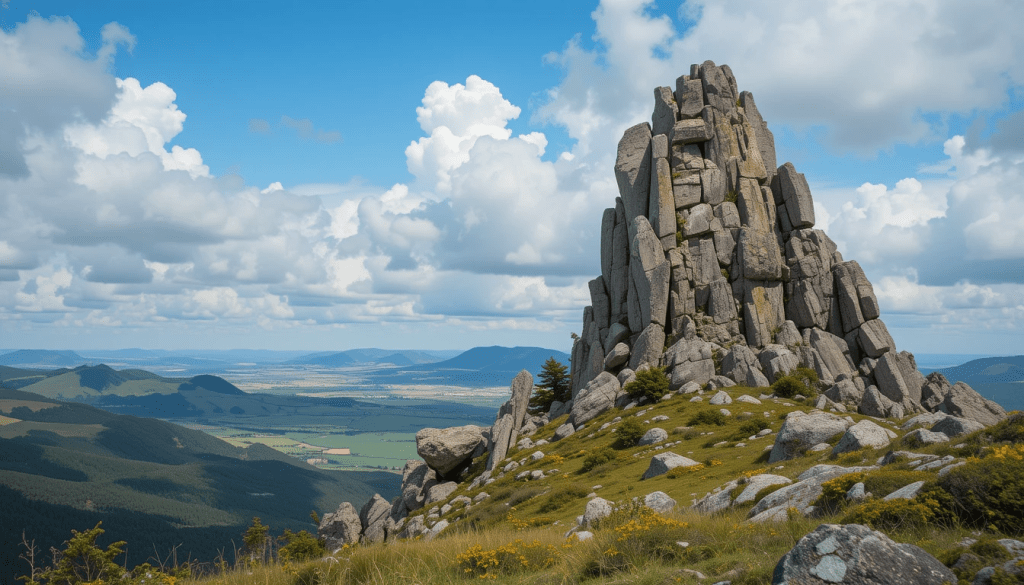
“Like this and become a peak on the horizon, silent and sublime!” 🌄🔍
 Word of the Day - The English Nook
Leave a comment