

Cymru
IPA: /ˈkʌm.rɪ/
(Proper Noun)
Definitions:
- The Welsh Name for Wales: The native Welsh-language term for the country of Wales, part of the United Kingdom, known for its rich cultural heritage, language, and national identity.
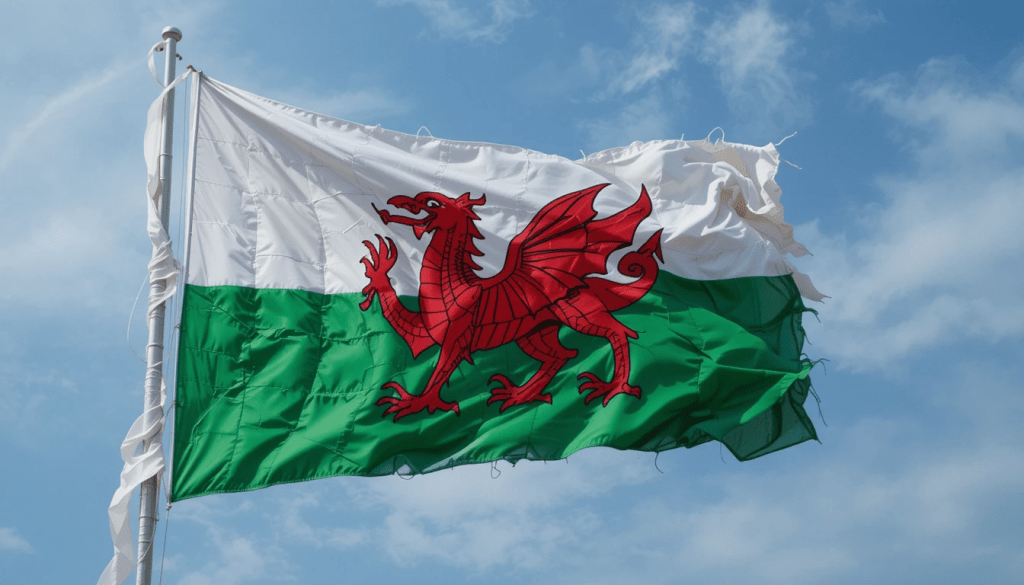
- Example: “He proudly waved the red dragon flag of Cymru during the national celebration.”
- A Symbol of Welsh Identity and Nationalism: Cymru represents more than a geographical location—it is a term deeply tied to Welsh pride, history, and the preservation of the Welsh language (Cymraeg).
- Example: “The people of Cymru have worked tirelessly to protect their language and traditions.”
Explanation:
Etymology and Linguistic Roots:
The word Cymru originates from the Brythonic word combrogi, meaning “fellow countrymen” or “compatriots.” This term emphasized a sense of kinship among the early Celtic inhabitants of Wales. Over time, it evolved into Cymry, referring to the people, and Cymru, referring to the land.
- Example: “The name Cymru reflects the enduring sense of community and belonging among the Welsh people.”
The transformation from Combrogi to Cymru highlights how the Welsh people retained their unique linguistic and cultural identity despite centuries of external influence, particularly from Roman, Anglo-Saxon, and Norman conquests.
Cultural and National Significance:
- The Welsh Language: Unlike the English name “Wales,” which derives from an Anglo-Saxon word meaning “foreigners,” Cymru is the term used by native Welsh speakers. The use of Cymru is an assertion of Welsh identity and linguistic heritage.
- Welsh Nationalism: The term Cymru is often associated with Welsh independence movements, national pride, and the campaign for greater political and cultural autonomy.
- Sport and Media: Welsh athletes, musicians, and cultural icons frequently use Cymru to emphasize their national roots, particularly in international competitions and events.
- Example: “In the Six Nations Championship, the rugby team proudly represents Cymru on the global stage.”
- Welsh Festivals: National celebrations such as Eisteddfodau, a festival of literature, music, and performance, serve as important cultural touchstones where Cymru is prominently used.
Historical Context:
- Roman and Medieval Wales: During the Roman occupation of Britain, the Celtic tribes of present-day Wales retained their distinct identity. Even after the Anglo-Saxon expansion, the Welsh language and culture remained strong.
- The Kingdoms of Cymru: Medieval Wales was home to independent kingdoms such as Gwynedd, Powys, and Deheubarth, all of which resisted English rule for centuries.
- The Act of Union (1536–1543): Wales was annexed by England under Henry VIII, but the Welsh language and identity persisted despite legal and political assimilation.
- The Modern Era: The resurgence of Welsh nationalism and the official recognition of Welsh as an official language of Wales in the late 20th century strengthened the use of Cymru as a symbol of national pride.
- Welsh Independence Movements: Political groups advocating for an independent Cymru, such as Plaid Cymru, emphasize the historical significance of the name and the cultural uniqueness of Wales within the UK.
Synonyms and Related Terms:
- Wales (English equivalent)
- Cymry (Welsh people)
- Cymraeg (Welsh language)
- Gwlad y Ddraig (Land of the Dragon)
- Y Ddraig Goch (The Red Dragon, a symbol of Wales)
Antonyms:
- England (In a political sense, as Wales and England have distinct histories and identities)
- Foreign lands (In the context of Welsh nationalism, anything outside Cymru)
Examples in Context:
- “Many people in Cymru are fluent in both English and Cymraeg, keeping their linguistic heritage alive.”
- “The national football team proudly wears jerseys emblazoned with ‘Cymru’ instead of ‘Wales.’”
- “Visiting Cymru means exploring stunning landscapes, from the peaks of Snowdonia to the coastal beauty of Pembrokeshire.”
- “The history of Cymru is filled with legendary figures like Owain Glyndŵr, who fought for Welsh independence.”
- “Cymru’s rugged mountains and rolling green valleys have inspired poets and writers for generations.”
- “The increasing number of Welsh-medium schools demonstrates Cymru’s commitment to preserving its linguistic heritage.”
Interesting Facts:
- Cymru vs. Wales: While Cymru is the native name, the English term “Wales” originates from the Anglo-Saxon wealas, meaning “foreigners” or “outsiders.”
- Bilingual Road Signs: In Wales, official road signs and government documents display both Welsh and English, reinforcing Cymru’s linguistic heritage.
- National Anthem: The Welsh national anthem, “Hen Wlad Fy Nhadau” (“Land of My Fathers”), is sung with great passion at sporting events, particularly rugby matches.
- Cymru in Politics: The Welsh Senedd (Parliament) represents the political autonomy of Cymru within the UK, governing aspects of Welsh life such as education, health, and culture.
- The Revival of Cymraeg: Welsh language initiatives have led to a significant revival in Cymraeg speakers, with efforts to make it a thriving language in daily life.
- Red Dragon Symbolism: The red dragon (Y Ddraig Goch), featured on Cymru’s flag, has been associated with the country since the time of Roman Britain.
- Connection to Arthurian Legend: Cymru is often linked to the legends of King Arthur, with locations such as Snowdonia and Carmarthenshire being associated with the mythical tales.
Takeaway:
Cymru is more than just the Welsh name for Wales—it embodies the country’s history, language, and national pride. Rooted in Celtic heritage, the term reflects the resilience of the Welsh people and their enduring commitment to preserving their unique identity. Whether in politics, sports, or culture, Cymru remains a powerful symbol of unity and tradition, celebrated by Welsh speakers and patriots alike. The continued use of Cymru in official and everyday settings highlights Wales’ distinctiveness and ensures that the name and heritage will endure for generations to come.
Originally published on February 21, 2025, on The-English-Nook.com.

Cymru & The Welsh Language
A land of legends, poetry, and a language that has stood the test of time—Cymru holds a linguistic treasure waiting to be explored. From its ancient roots to its striking differences from English, Welsh offers a fascinating journey through culture and resilience. Curious about its history, unique words, and how it compares to English? Dive into the story on my page!
British English vs. Welsh English: Celebrating the Linguistic Heritage of Wales
British English vs. Welsh English: The Evolution of a Distinctive Dialect, Part 2
Cymru: Mwy na enw—etifeddiaeth ydyw.
“Tap like and let the red dragon roar!” 🐉💚
 Word of the Day - The English Nook
Leave a comment