
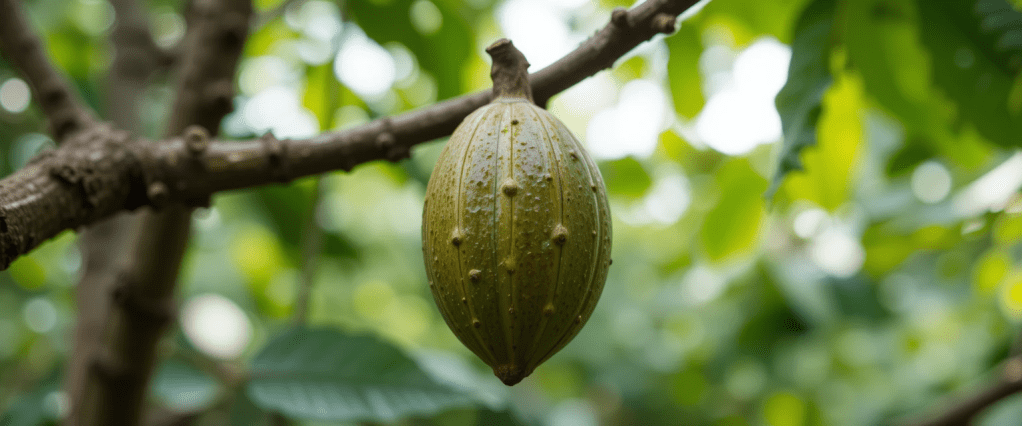
Theobroma
IPA: /ˌθiːəˈbroʊmə/
(Noun)
Definitions:
- Genus of Tropical Trees, Including Cacao: Theobroma is a genus of small trees in the Malvaceae family, best known for Theobroma cacao, the species responsible for producing cacao beans, the essential ingredient in chocolate.
- Example: “Theobroma trees thrive in humid tropical regions, particularly in the Amazon and Central America.”
- Etymology: ‘Food of the Gods’: The name Theobroma comes from the Greek words theos (god) and broma (food), reflecting the high value ancient civilizations placed on cacao and its divine significance.
- Example: “Theobroma was aptly named by the botanist Carl Linnaeus, emphasizing its sacred status in indigenous cultures.”
Expanded Explanation:
Etymology and Linguistic Origins:
The term Theobroma was coined in the 18th century by Swedish scientist Carl Linnaeus, who recognized the importance of cacao in human culture. The name signifies its esteemed role in Mesoamerican societies, where cacao was used as currency, medicine, and a sacred offering.
- Example: “Linnaeus named Theobroma cacao to highlight its divine connotations among the Maya and Aztecs.”
Botanical Characteristics:
The Theobroma genus consists of around 20 species of evergreen trees native to the tropical regions of Central and South America. The most famous species, Theobroma cacao, produces the seeds that are fermented, dried, and processed into cocoa and chocolate.
- Example: “Theobroma trees are shade-loving and require rich, well-drained soil to flourish.”
Cultural and Historical Significance:
Theobroma cacao has played an essential role in various ancient cultures, particularly the Maya and Aztecs, who believed cacao was a sacred substance gifted by the gods. It was prepared as a frothy, spiced drink known as xocoatl and often used in religious ceremonies and royal feasts.
- Example: “Mesoamerican priests and nobles consumed Theobroma cacao in elaborate rituals.”
Economic and Modern Usage:
Today, Theobroma cacao is the foundation of the global chocolate industry, with millions of tons of cacao beans harvested annually. The tree’s cultivation supports economies in Latin America, Africa, and Asia, making it one of the most significant crops worldwide.
- Example: “Sustainable Theobroma cacao farming is crucial for preserving rainforests and supporting local farmers.”
Health Benefits and Nutritional Properties:
Cacao derived from Theobroma trees contains flavonoids, theobromine, and antioxidants that offer health benefits such as improved cardiovascular function and mood enhancement.
- Example: “Dark chocolate, made from Theobroma cacao, is praised for its heart-healthy properties.”
Synonyms:
- For Theobroma (genus): Cacao genus, chocolate tree family
- For Theobroma cacao: Cocoa tree, chocolate tree
Antonyms:
- For Non-Cacao Plants: Non-tropical trees, deciduous plants
- For Processed Cacao: Artificial chocolate, confectionery substitutes
Examples in Context:
Scientific and Botanical Usage:
- “Theobroma species thrive in the humid forests of the Amazon basin.”
- “Botanists classify Theobroma cacao as an essential cash crop for tropical agriculture.”
- “Research on Theobroma’s genetic diversity aims to improve cacao yield and disease resistance.”
Cultural and Culinary References:
- “The ancient Maya cultivated Theobroma cacao for sacred and medicinal purposes.”
- “High-quality chocolate is made from the finest Theobroma cacao beans.”
- “Chefs and chocolatiers experiment with Theobroma varieties to create unique flavor profiles.”
Cultural and Historical Legacy:
- Ancient Mesoamerican Rituals: Theobroma cacao was believed to be a divine gift, consumed by rulers and priests.
- Colonial Influence: European explorers introduced Theobroma cacao to the rest of the world, leading to the creation of sweetened chocolate.
- Modern Chocolate Industry: Theobroma cacao remains at the heart of one of the world’s largest industries, with chocolate being a universal symbol of indulgence and celebration.
Interesting Facts:
- Biodiversity: Theobroma includes multiple species, though Theobroma cacao is the most well-known and economically significant.
- Cacao Pods: The fruit of the Theobroma cacao tree contains pulp-covered seeds, which are fermented to develop chocolate’s signature flavor.
- Sacred Traditions: Some indigenous communities still prepare Theobroma-based beverages using traditional methods.
Takeaway:
Theobroma is more than just a botanical classification—it represents centuries of cultural tradition, economic impact, and culinary innovation. From its sacred origins in Mesoamerica to its role in today’s global chocolate industry, Theobroma remains one of the most treasured plant genera in human history.
Originally published on February 16, 2025, on The-English-Nook.com.

Theobroma: The Divine Flavor of Love
Named “food of the gods,” theobroma cacao has long been a symbol of passion, indulgence, and devotion. From ancient rituals to Saint Valentine’s Day, chocolate remains love’s sweetest messenger. Unwrap the story behind this divine delight!
Saint Valentine’s Day and Its Influence on the English Language
The Influence of Saint Valentine’s Day on the Spanish Language and Culture

From sacred rituals to sweet indulgence—Theobroma, the tree that shaped history!
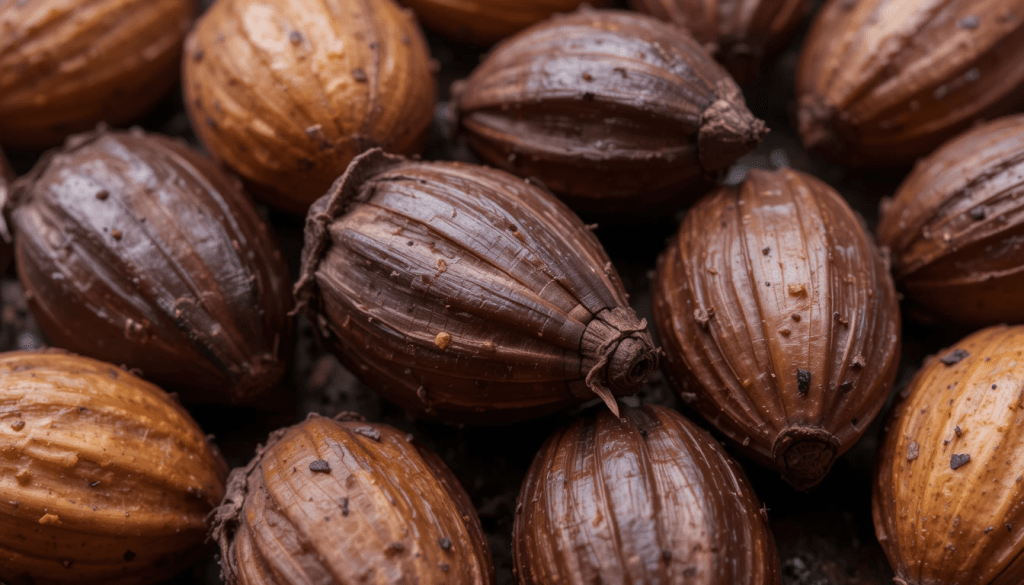
“Press like as if savoring the sacred nectar of the gods.” 🌿⚡
 Word of the Day - The English Nook
Leave a comment