
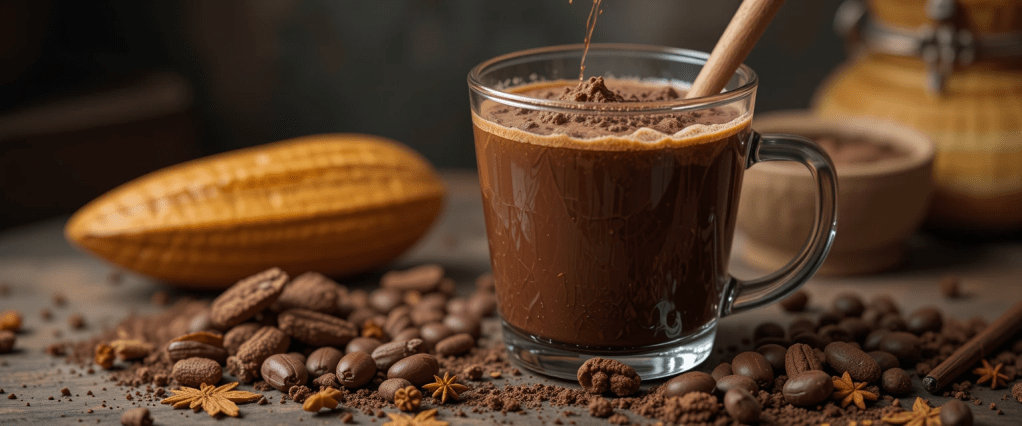
Cacahuatl
IPA: /ka.ka.ˈwa.tɬ/
(Noun)
Definitions:
- The Nahuatl Word for Cacao or Cocoa Beans: The term “cacahuatl” originates from the Nahuatl language and refers to the seeds of the cacao tree (Theobroma cacao), which were highly valued in Mesoamerican civilizations.
- Example: “The Aztecs prized cacahuatl, using it in sacred rituals and as currency.”
- A Traditional Mesoamerican Chocolate Beverage: A drink made from ground cacao beans, often mixed with water, chili, vanilla, and other spices, consumed by the Maya and Aztecs. This early chocolate drink was unsweetened and had a bitter, earthy taste.
- Example: “He prepared cacahuatl following an ancient recipe, blending cacao with spices and foaming it with a wooden whisk.”
Expanded Explanation:
Etymology and Linguistic Origins:
The word “cacahuatl” is derived from Nahuatl, the language of the Aztecs, where caca- refers to cacao and -huatl is a suffix that denotes water or a liquid substance. The Spanish adapted the word into “cacao,” which eventually influenced modern terms like “chocolate.”
- Example: “The transition from cacahuatl to chocolate highlights the linguistic blending of indigenous and European cultures.”
Cultural and Historical Significance:
Cacahuatl was more than just a food item; it held deep cultural, economic, and spiritual importance in Mesoamerican societies. The Maya and Aztecs considered cacao a divine gift, often associated with their gods, particularly Quetzalcoatl, the feathered serpent deity.
- Example: “Cacahuatl was offered in religious ceremonies and consumed by rulers and warriors for strength.”
Cacao as Currency:
In pre-Columbian Mesoamerica, cacao beans served as a form of currency, underscoring their value in trade and daily life.
- Example: “Aztec merchants exchanged cacao beans for goods, setting a fixed value on different commodities.”
- Fact: A single cacao bean could buy a tomato, while a hundred beans could purchase a turkey.
Ritual and Medicinal Uses:
Cacahuatl was believed to have mystical and medicinal properties, often consumed before battle or during religious rituals to enhance alertness and endurance.
- Example: “Priests and warriors drank cacahuatl to commune with the gods and invigorate their bodies.”
- Fact: The combination of cacao and chili in the drink created a stimulating effect, making it a powerful ceremonial beverage.
Cacahuatl’s Transformation into Modern Chocolate:
With the Spanish conquest of the Aztec Empire in the 16th century, Europeans were introduced to cacahuatl. They modified the bitter drink by adding sugar, milk, and vanilla, leading to the development of the modern sweetened chocolate we know today.
- Example: “Spanish explorers took cacahuatl back to Europe, where it evolved into a luxurious confection.”
- Fact: The word “chocolate” is believed to have been derived from “chocolatl,” a Spanish interpretation of the original Nahuatl term.
Synonyms:
- For Cacao: Cocoa, chocolate bean, cacao seed
- For Cacahuatl (the drink): Ancient hot chocolate, spiced cacao, xocoatl
Antonyms:
- For Bitter Cacao: Sweet chocolate, milk chocolate, processed cocoa
- For Cacahuatl as a Drink: Modern hot chocolate, sugary cocoa drinks
Examples in Context:
Mesoamerican Usage:
- “The high priest drank cacahuatl before performing the sacred ritual.”
- “Mayan nobles sipped frothy cacahuatl from ornately decorated clay vessels.”
- “The cacao harvest was celebrated with festivals where cacahuatl was shared among the people.”
Modern Cultural Revival:
- “Artisan chocolatiers are rediscovering the flavors of cacahuatl, blending cacao with traditional spices.”
- “Visitors to Mexico can experience authentic cacahuatl prepared using ancient techniques.”
- “Ethnobotanists study cacahuatl’s role in indigenous medicine and nutrition.”
Cultural and Historical Legacy:
- In Aztec and Mayan Mythology: Cacao was considered sacred, believed to be a divine substance gifted by the gods.
- Spanish Influence: The introduction of sugar and dairy transformed the original bitter cacahuatl into sweetened hot chocolate, which became popular across Europe.
- Modern Culinary Impact: The global chocolate industry traces its origins back to the humble cacao bean, once known as cacahuatl.
Interesting Facts:
- Ancient Frothing Method: The Maya and Aztecs poured cacahuatl between vessels to create a frothy texture, a practice still used in traditional preparations today.
- Xocoatl Connection: Some historians believe “chocolate” originates from “xocoatl,” another Nahuatl term referring to a fermented cacao drink.
- Health Benefits: Raw cacao, similar to ancient cacahuatl, contains antioxidants, magnesium, and theobromine, a mild stimulant.
Takeaway:
Cacahuatl represents the deep historical roots of chocolate, from its sacred and economic role in Mesoamerican civilizations to its transformation into one of the world’s most beloved treats. Whether enjoyed as a ceremonial beverage or as a modern confection, its legacy endures in every piece of chocolate we consume today.
Originally published on February 15, 2025, on The-English-Nook.com.

Cacahuatl:
The Taste of Love & Language
From the ancient cacahuatl to the chocolate we cherish today, this delicacy has long been a gift of love. Saint Valentine’s Day is filled with sweet traditions, but did you know that chocolate—and many other treats—have shaped both English and Spanish? Discover the delicious words that love has given us!
Saint Valentine’s Day and Its Influence on the English Language
The Influence of Saint Valentine’s Day on the Spanish Language and Culture

From sacred Aztec elixir to modern delight—chocolate’s roots run deep in cacahuatl!
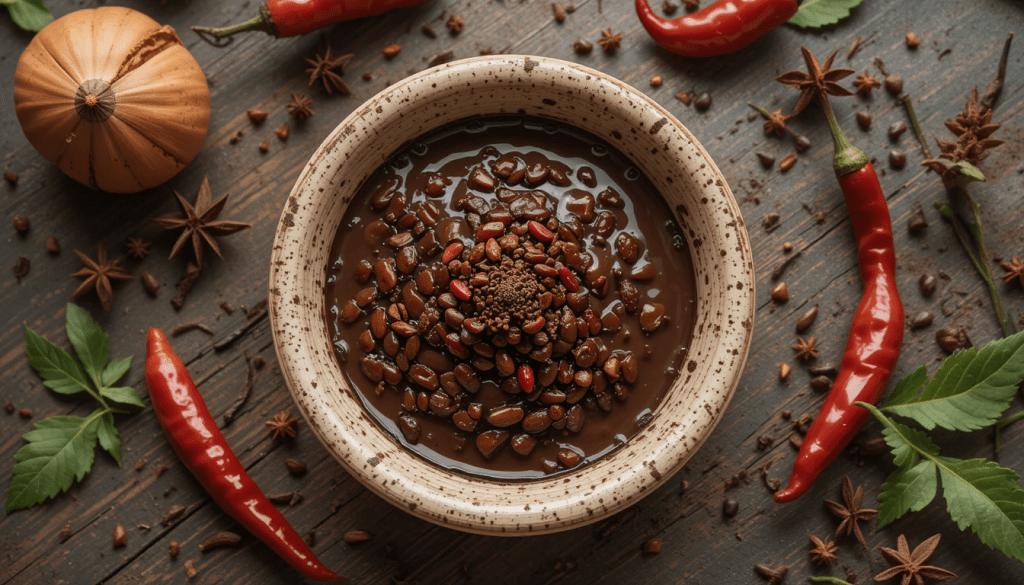
“Press like as if sipping the first frothy, spiced xocoatl.” ☕🔥
 Word of the Day - The English Nook
Leave a comment