
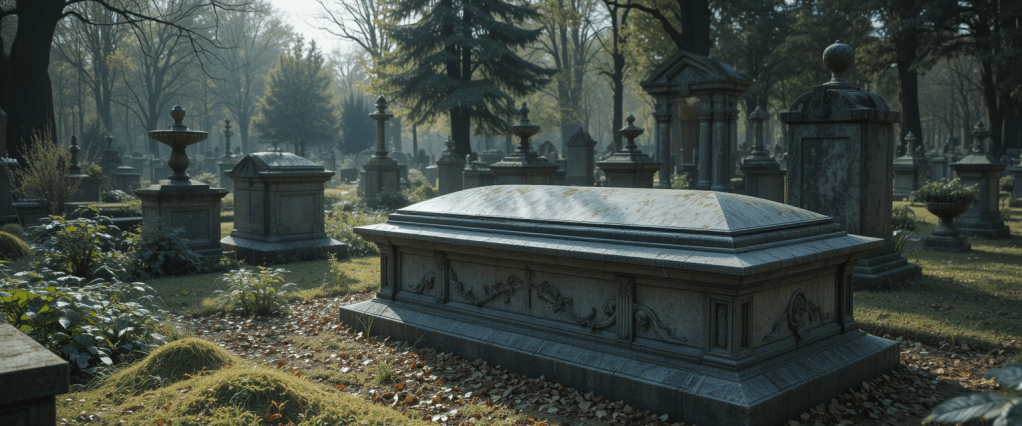
Sepulcher
IPA: /ˈsɛp(ə)lkər/
(Noun, Verb)
Definitions:
- A Tomb or Burial Chamber (Noun): A structure, often made of stone, used for interring the dead. Sepulchers can range from simple graves to elaborate mausoleums.
- Example: “The ancient king was laid to rest in a grand sepulcher carved into the mountainside.”
- To Bury or Entomb (Verb, Archaic): The act of placing a body in a sepulcher or tomb.
- Example: “The monks solemnly sepulchered the remains of their revered leader.”
Expanded Explanation:
Etymology and Linguistic Origins:
The term “sepulcher” originates from the Latin sepulcrum, meaning “burial place,” which is derived from sepelire, “to bury.” It has been used in English since the Middle Ages and is often found in historical and literary contexts.
- Example: “Shakespeare frequently used ‘sepulcher’ in his plays to evoke imagery of death and the afterlife.”
Cultural and Historical Context:
Sepulchers have been significant across various civilizations, often reflecting the beliefs and status of the deceased. From Egyptian pyramids to Gothic crypts, they serve as markers of reverence and memory.
- Example: “The Taj Mahal is one of the most famous sepulchers, built as a monument of love and mourning.”
Sepulchers in Mythology and Religion:
- Christianity: The Holy Sepulcher in Jerusalem is believed to be the tomb where Jesus Christ was buried and resurrected.
- Ancient Egypt: Pharaohs were often sepulchered in grand pyramids, believed to aid in their journey to the afterlife.
- Greek and Roman Traditions: Family sepulchers were common among the aristocracy, ensuring that generations remained together in death.
Symbolic and Literary Uses:
Sepulchers often symbolize mortality, the passage of time, and the unknown. They appear frequently in Gothic literature, poetry, and allegorical works.
- Example: “Edgar Allan Poe’s works are filled with imagery of dark sepulchers and eerie tombs.”
Synonyms:
- Tomb
- Crypt
- Mausoleum
- Vault
- Burial Chamber
Antonyms:
- Exhumation
- Open Grave
Examples in Context:
Historical and Religious Contexts:
- “Pilgrims visit the Church of the Holy Sepulcher to pay their respects.”
- “The sepulchers of the pharaohs remain some of the greatest archaeological discoveries.”
Literary and Poetic Contexts:
- “She wandered through the sepulcher’s cold halls, feeling the weight of history upon her.”
- “The knight swore an oath at his ancestor’s sepulcher, vowing to restore honor to his family.”
Cultural and Architectural Significance:
Sepulchers vary greatly in form, from underground catacombs to towering stone mausoleums. They reflect artistic and architectural advancements of their time, often adorned with carvings, inscriptions, and religious iconography.
- Example: “The sepulcher’s intricate stonework told the story of a forgotten civilization.”
Interesting Facts:
- The Great Pyramid of Giza is technically a sepulcher, designed to house Pharaoh Khufu.
- Westminster Abbey serves as a sepulcher for many British monarchs and historical figures.
- Sepulchers in Gothic fiction are often depicted as eerie, ghostly places filled with mystery.
Takeaway:
A sepulcher is more than just a resting place; it is a testament to history, culture, and the reverence for the dead. Whether in literature, religion, or architecture, sepulchers continue to captivate human imagination and serve as enduring monuments to those who came before us.
Originally published on February 9, 2025, on The-English-Nook.com.
Sepulcher Unsealed: A Reverse Funeral
Not all souls rest forever. In a sepulcher meant for the dead, the veil between worlds is torn—a funeral in reverse, a soul reclaimed from the abyss. But should the living welcome back what was lost? Step into the tale and decide for yourself.
The Reverse Funeral
Sepulcher of Lost Love
Love never truly dies—it lingers in whispers, in shadows, in the cold embrace of a forgotten sepulcher. On this Valentine’s Day, a long-buried love stirs once more. Will you unearth the story hidden beneath the stone?
📖 The story is in Spanish—if you’re learning, it’s a perfect way to practice!
Rosas para Julia
A sepulcher isn’t just a resting place—it’s a story carved in stone, echoing through time.
“A monument stands not in stone alone, but in the touch of those who remember—leave a like.” 🏛️💀
 Word of the Day - The English Nook
Leave a comment