
IPA: /ˈvɜːr.nəl/
(Adjective)
Definition:
- Of or relating to spring: Refers to attributes, phenomena, or characteristics associated with the spring season, often denoting growth, renewal, and vitality.
- Youthful or fresh: Suggests a sense of liveliness, freshness, or vigor reminiscent of the rejuvenating energy of spring.
Detailed Explanation:
The word vernal is deeply rooted in the natural and metaphorical expressions of renewal and rebirth. Its primary association is with spring, the season of blooming flowers, warmer weather, and lengthening days, which symbolizes new beginnings. Metaphorically, vernal transcends the seasons and conveys freshness and vitality, whether it applies to nature, a person’s demeanor, or an emotional state.
Scientific and Astronomical Context:
The term vernal often appears in scientific discussions, especially in relation to the vernal equinox, an astronomical event marking the onset of spring in the Northern Hemisphere. Occurring around March 20th or 21st, the equinox is the point when the sun crosses the celestial equator, resulting in equal day and night lengths.
In ecology, vernal pools describe seasonal wetlands that appear in the spring. These pools provide a critical habitat for numerous species, including frogs, salamanders, and invertebrates, emphasizing the word’s strong ecological relevance.
Literary and Cultural Context:
In literature, vernal is often used poetically to evoke themes of renewal, youth, and hope. The word paints vivid imagery of the blossoming life in spring and can describe a person, idea, or setting full of potential and energy.
For instance, in 19th-century poetry, spring and the term vernal were frequently linked to themes of romanticism and the inevitability of change, portraying life’s transience but also its power to renew itself.
Etymology:
- Origin: Latin vernalis, meaning “pertaining to spring,” derived from ver, the Latin word for “spring.”
- First Use in English: The term has been in use since the late 16th century, finding particular popularity in poetic and scientific language.
Synonyms:
- Seasonal: Springlike, blossoming, blooming, verdant, fresh.
- Metaphorical: Youthful, invigorating, rejuvenating, lively.
Antonyms:
- Autumnal (related to autumn).
- Withered.
- Stale.
- Aged.
- Decaying.
Examples in Context:
Literal Use:
- “The vernal bloom painted the countryside with hues of green and gold, as daffodils and tulips sprang to life.”
- “Farmers welcomed the vernal rains as they marked the beginning of the planting season.”
- “The vernal equinox is celebrated in various cultures as a time of balance and renewal.”
Metaphorical Use:
- “The artist’s work displayed a vernal quality, with colors and shapes bursting with youthful energy.”
- “In her vernal years, she pursued her dreams with boundless enthusiasm, unburdened by doubt.”
- “Their relationship had a vernal freshness, filled with hope and the excitement of new beginnings.”
Cultural Associations and Symbolism:
- Rebirth and Renewal: Many cultures and religions associate spring with cycles of rebirth. Festivals such as Easter, Nowruz (Persian New Year), and Holi celebrate themes of life, fertility, and renewal during the vernal season.
- Season of Festivals: The vernal equinox has been celebrated as a key point in the calendar, representing balance and the resurgence of life.
- Ecological Importance: The arrival of spring triggers key biological processes, such as animal migrations, blooming flowers, and agricultural activity.
Scientific and Ecological Notes:
- Vernal Pools: These temporary bodies of water are vital for many amphibians, which rely on them to lay eggs. Their disappearance as summer approaches mirrors the fleeting nature of spring itself.
- Seasonal Cycles: The vernal equinox signals a period of transition from cold to warm, bringing not only physical change but also psychological benefits. Studies have shown that people report greater happiness and energy levels during spring months.
Interesting Facts:
- Astronomical Importance: The vernal equinox was historically used to mark the start of many calendars, including the ancient Roman calendar.
- Cultural Significance: In Japanese culture, the vernal season is synonymous with the blossoming of cherry trees (sakura), which hold deep cultural and spiritual significance.
- Symbolism in Art and Literature: Spring and its vernal qualities are recurring symbols in art, often representing innocence, hope, and new beginnings.
Takeaway:
Vernal is a versatile and evocative term that encapsulates the rejuvenating spirit of spring and the vitality of youth. Whether used literally to describe seasonal changes or metaphorically to convey freshness and newness, vernal resonates with themes of growth, renewal, and the beauty of life’s cyclical nature. It is a word that celebrates the ever-returning promise of spring and its transformative energy.
Originally published on January 23, 2025, on The-English-Nook.com.
Celebrate spring’s timeless promise—vernal: where nature’s renewal meets life’s vigor!
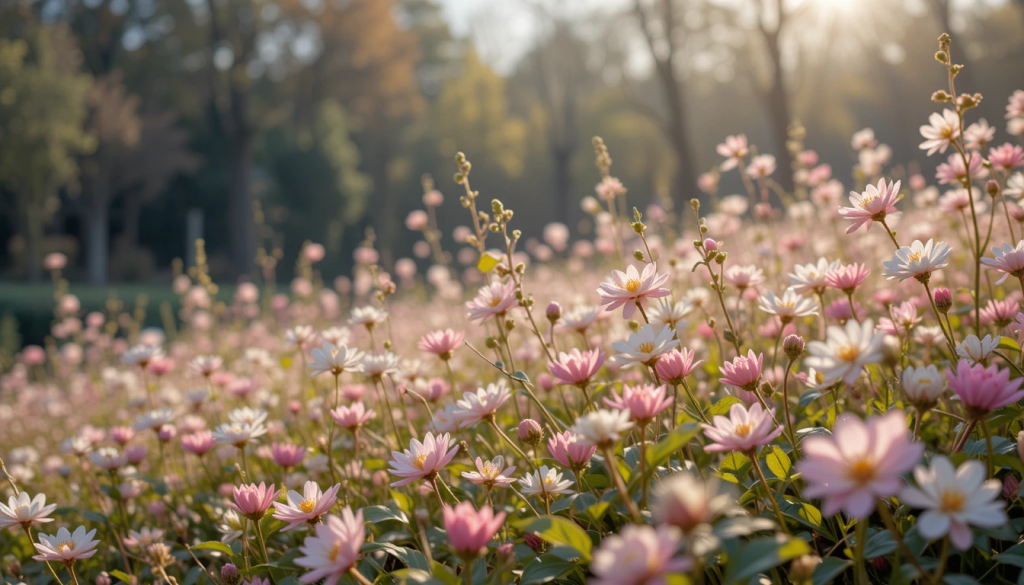
Let your like bloom here, as if coaxed by the first warm rays of spring. 🌱🌞
 Word of the Day - The English Nook
Leave a comment