
IPA: /ˈluːsɪfəˌreɪs/
(Noun)
Definition:
Luciferase is a type of enzyme that catalyzes a chemical reaction known as bioluminescence. This reaction emits light, typically in living organisms like fireflies, certain types of fungi, marine creatures, and microorganisms. The enzyme facilitates the oxidation of a substrate, commonly luciferin, in the presence of oxygen, producing visible light.
Detailed Explanation:
The term luciferase is derived from the Latin word lucifer, meaning “light-bringer” or “light-bearer.” In the natural world, luciferase plays a crucial role in bioluminescent organisms by enabling them to produce light. This light is used for various purposes, such as communication, camouflage, predation, or mating.
The bioluminescent process mediated by luciferase involves the following key components:
- Luciferin: A substrate that reacts with luciferase.
- Oxygen (O₂): Necessary for the oxidation reaction.
- Energy Source (ATP or similar): In some systems, energy molecules are required for the reaction.
The result of this reaction is the emission of photons, or visible light, which can vary in color depending on the organism and its specific luciferase-luciferin system.
Examples of Natural Occurrence:
- Fireflies (Lampyridae):
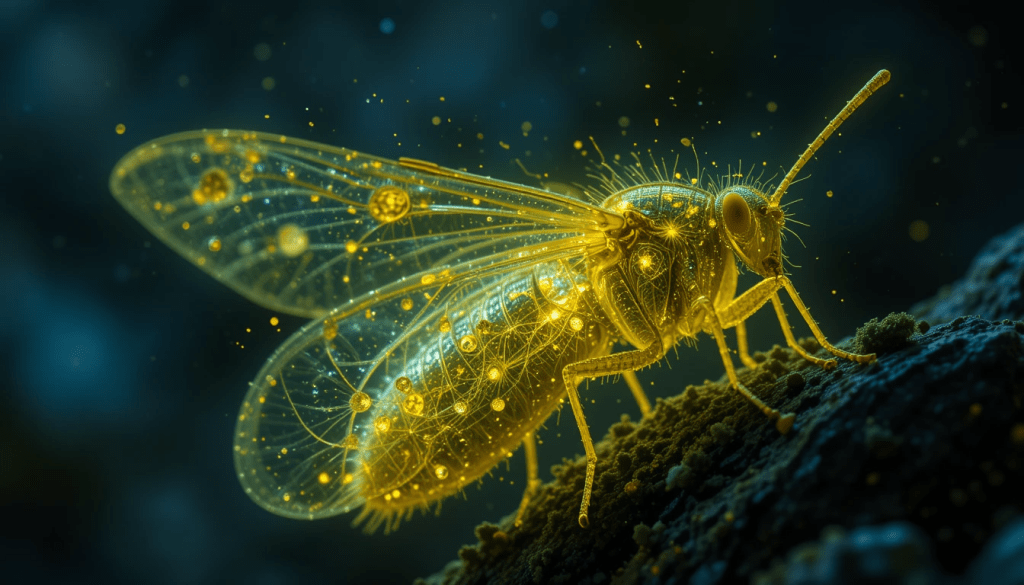
Fireflies use luciferase to create their signature flashes of light during courtship displays. The light is usually yellow-green and is emitted from specialized abdominal cells.- Example: “The firefly’s luciferase activity turned the dark summer night into a magical display of glowing signals.”
- Marine Creatures:
Certain fish, jellyfish, and squid utilize luciferase to produce bioluminescence in the deep sea. For example, the anglerfish uses a glowing lure to attract prey. - Fungi:
Some species of fungi, like Mycena chlorophos, emit a soft green glow in their natural habitats, aiding in spore dispersal. - Bacteria:
Bioluminescent bacteria such as Vibrio fischeri often form symbiotic relationships with marine hosts, helping them evade predators or communicate.
Applications in Science and Medicine:
Luciferase has become an invaluable tool in biotechnology and research due to its ability to emit light in a controlled, detectable manner.
- Biological Markers:
Scientists use luciferase in genetic research to track gene expression. By inserting luciferase genes into cells or organisms, they can monitor activity by measuring emitted light.- Example: “Researchers used luciferase to study the effects of a drug on cancer cell metabolism.”
- Medical Diagnostics:
Luciferase is applied in diagnostic assays to detect the presence of pathogens or specific proteins in a sample. - Environmental Monitoring:
Bioluminescent bacteria with luciferase are used to detect pollutants in water or soil. - Therapeutics:
Advanced therapies use luciferase for imaging processes, allowing real-time visualization of biological processes in living organisms.
Etymology:
- Origin: From Latin lucifer, meaning “light-bringer” or “morning star,” combined with the enzyme suffix -ase, indicating its catalytic function.
- Historical Use: First identified in the late 19th century, luciferase became a subject of intense study in the 20th century as its biochemical role in bioluminescence was unraveled.
Synonyms:
- Bioluminescent enzyme
- Light-emitting enzyme
Antonyms:
- None directly applicable, but related terms include “darkness” or “non-luminescence” when discussing absence of light.
Interesting Facts:
- Color Variance: The color of light produced by luciferase depends on the organism. Fireflies emit yellow-green light, while certain marine organisms emit blue or green light, which travels farther underwater.
- Cold Light: Bioluminescence created by luciferase is efficient, generating very little heat compared to artificial light sources.
- Energy Efficiency: Luciferase systems are highly energy-efficient, making them an inspiration for sustainable lighting technologies.
- Mythical Roots: The name luciferase links to its Latin root, often associated with the “light-bearer” or morning star, reflecting its luminous function.
Examples in Context:
- “The glow of the jellyfish illuminated the dark ocean, a result of the luciferase enzyme at work.”
- “Scientists introduced the luciferase gene into bacteria to study their metabolic pathways using bioluminescence.”
- “The firefly’s luciferase-driven light patterns are a natural marvel and a subject of fascination for biologists.”
Takeaway:
Luciferase, the enzyme behind nature’s light show, is more than just a biological curiosity. It bridges the gap between wonder and utility, allowing us to explore genetics, medicine, and even environmental science with a glow of enlightenment. Whether seen in a firefly’s flicker or a deep-sea creature’s shimmer, luciferase continues to illuminate both the natural and scientific worlds.
Originally published on January 21, 2025, on The-English-Nook.com.
From firefly flickers to cutting-edge science, luciferase lights the way!
Shine your light here; your like fuels the glow, one spark at a time. 🌟💛
 Word of the Day - The English Nook
Leave a comment