
IPA: /ˈdræɡənɪt/
(Noun)
Definition:
- Marine Life: A dragonet is a small, colorful fish from the family Callionymidae, typically found in shallow tropical and temperate seas. These fish are noted for their intricate patterns and striking hues, making them popular among aquarists.
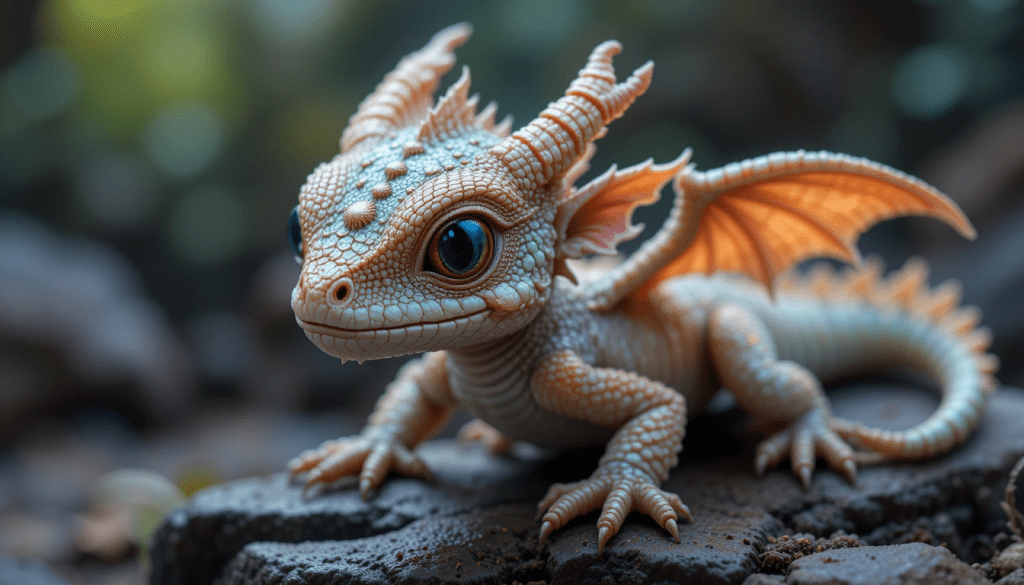
- Mythological Reference: The term can also refer to a small or young dragon in folklore and mythology, often portrayed as a juvenile or diminutive version of its larger, legendary counterpart.
Detailed Explanation:
Biological Perspective:
Dragonets are small fish primarily found in coral reefs, lagoons, and sandy seabeds. Known for their vibrant coloration and distinct patterns, dragonets are non-aggressive but territorial. They often glide gracefully over the seabed, camouflaging themselves among the sand and coral to avoid predators.
- Species Highlight:
- The mandarinfish (Synchiropus splendidus), one of the most well-known dragonet species, is prized for its kaleidoscopic blue, orange, and green patterns.
- Another notable species is the common dragonet (Callionymus lyra), which inhabits European waters and has a more subdued yet equally elegant appearance.
Dragonets are bottom dwellers and primarily feed on small invertebrates like worms and crustaceans. Their unique body structure includes elongated fins and a flattened head, making them well-suited to their benthic (seafloor) habitat. However, their intricate beauty makes them somewhat challenging to maintain in captivity, as they require specific water conditions and diets.
Mythological and Cultural Reference:
The term dragonet is also used in literature and folklore to describe a small or young dragon. These creatures are often depicted as adorable yet mischievous, representing the early stages of growth before becoming fearsome, fire-breathing beasts. Dragonets appear in many fantasy novels and role-playing games, frequently as companions or guardians with unique magical abilities.
- In Literature and Media:
- In the Wings of Fire book series by Tui T. Sutherland, the term dragonet refers to young dragons destined to play pivotal roles in shaping their world’s future.
- In classic mythology, dragonets might be portrayed as less dangerous than adult dragons but still powerful and cunning.
Etymology:
The word dragonet derives from the Latin draco (meaning “dragon” or “serpent”) with the diminutive suffix -et, implying something smaller or younger. It was first used in the 17th century, initially to describe the small fish species and later adopted in a mythological context to signify small dragons.
Examples in Sentences:
- Marine Life Context:
- “The dragonet’s vivid colors made it the centerpiece of the coral tank at the aquarium.”
- “Mandarinfish, a type of dragonet, require careful feeding to thrive in captivity.”
- Mythological Context:
- “The knight was surprised to find a playful dragonet instead of the fearsome beast he had expected.”
- “Legends tell of dragonets that protect hidden treasures until they grow into full-sized dragons.”
Synonyms:
- Marine Life Context:
- Mandarinfish (for specific species)
- Sand perch
- Reef fish
- Mythological Context:
- Hatchling dragon
- Juvenile dragon
- Little dragon
Related Concepts:
- Dragons: Legendary creatures often associated with power, fire, and magic.
- Reef Fish: Dragonets belong to this broader category of vibrant, tropical fish.
- Mythical Creatures: Dragonets are often grouped with other mythical entities like griffins, phoenixes, and wyverns.
Fascinating Facts:
- Dragonets often possess cryptic coloration, allowing them to blend seamlessly with their sandy or coral habitats.
- Mandarinfish (a dragonet species) secrete a protective mucus that makes them unpalatable to predators.
- In folklore, dragonets are sometimes depicted as highly intelligent, often forming bonds with human characters.
In Popular Culture:
Dragonets have appeared in a variety of fantasy-themed games, books, and shows, symbolizing potential and untapped power due to their juvenile nature. They are commonly portrayed as playful, curious creatures that have yet to grow into their larger and more destructive forms. For instance:
- Dungeons & Dragons (D&D): Dragonets may appear as magical familiars or small dragons with specific elemental powers.
- Wings of Fire: Dragonets are central to the storyline, as young dragons are destined to fulfill ancient prophecies.
- How to Train Your Dragon: Baby dragons in the franchise echo the playful and mischievous characteristics often associated with dragonets.
Takeaway:
Whether in the realm of marine biology or mythology, dragonets captivate the imagination with their unique attributes. As dazzling fish in the natural world or small dragons of lore, they embody vibrancy, mystery, and the allure of both the ocean and the fantastical. These tiny wonders—whether swimming through coral reefs or soaring in imaginary skies—remind us of the beauty and magic in both nature and storytelling.
Originally published on January 9, 2025, on The-English-Nook.com.
From reef to legend: dragonets dazzle in both nature’s beauty and fantasy’s wonder!
A single like can turn my spark into a roaring blaze. Shall we make some magic? 🔥🌟
 Word of the Day - The English Nook
Leave a comment