
IPA: /θjuːz/
(Noun)
Definition:
- Physical Strength or Muscles:
Thews primarily refers to muscular power or sinews, often used to describe an individual’s physical robustness and strength. It embodies the raw, primal energy of physical might, typically seen in laborers, athletes, or heroic figures in literature. - Moral or Mental Strength (Archaic):
In its earlier use, thews also encompassed moral or spiritual vigor, representing a person’s inner fortitude and virtuous character, qualities essential for navigating life’s challenges.
Detailed Explanation:
The word thews is a poetic and somewhat archaic term that conveys strength and muscularity. It paints vivid images of physical power, often associated with hard work, battle, or feats of heroism. Beyond this literal meaning, the word once held a deeper, metaphorical sense tied to moral strength, signifying not just physical might but also inner resolve and character. While this moral sense has fallen out of common use, thews still carries a sense of awe and admiration, often invoking an idealized image of human capability.
In literature and artistic descriptions, thews frequently refers to the sinewy strength of mythological heroes, warriors, or laborers, emphasizing the importance of physical endurance and power in human history. It often appears in epic tales or fantasy settings, evoking a bygone era where survival depended on raw physical force.
In modern times, thews is less commonly used, often reserved for poetic or historical contexts. Nevertheless, it remains a fascinating word that connects physical strength with the grandeur of heroic imagery.
Etymology:
The word thews originates from Old English þēaw (pronounced /θæw/), meaning “custom” or “habit.” In its early history, the term was primarily used to describe manners or conduct, particularly those associated with morality or virtue. Over time, its meaning evolved, narrowing to signify the physical sinews or muscles that convey strength.
During the Middle Ages, the dual sense of thews—moral and physical strength—was prominent. However, by the 16th century, the physical connotation of thews became dominant, while the earlier moral sense became increasingly rare, eventually fading into obsolescence. Today, thews is largely confined to literary and descriptive uses, adding an archaic or poetic touch to language.
Examples in Sentences:
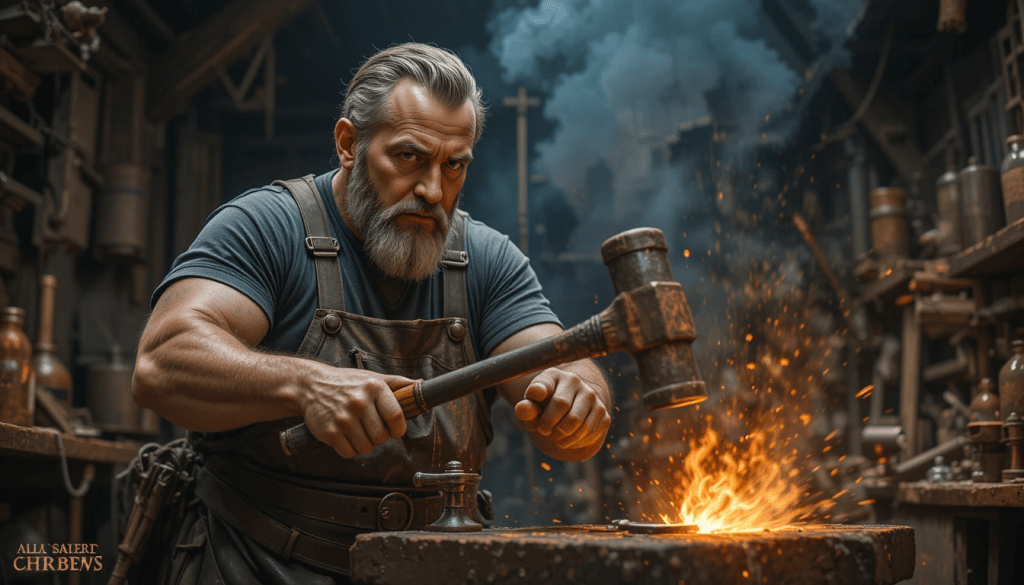
- “The blacksmith’s powerful thews glistened under the forge’s glow, each sinew a testament to years of hard labor.”
- “The knight’s thews, hardened by countless battles, allowed him to wield his heavy broadsword with ease.”
- “Through the sheer force of his thews, the hunter hauled the wounded stag back to the village.”
- “In tales of ancient heroes, their mighty thews were as much a part of their legend as their courage and valor.”
- “Her thews were not just a display of strength, but also a symbol of perseverance through a lifetime of toil.”
Synonyms:
- Muscles
- Sinews
- Brawn
- Strength
- Power
- Might
- Vigor
Antonyms:
- Weakness
- Frailty
- Infirmity
- Delicacy
Cultural and Literary Context:
- In Literature:
Thews frequently appears in epic literature and poetry, often describing the strength of heroes, gods, or warriors. It is particularly associated with classical and medieval imagery, where physical power was an essential trait of leaders and protectors. For example, Beowulf’s thews were integral to his ability to defeat the monstrous Grendel. - Biblical and Spiritual Connotations:
In archaic texts, thews occasionally referred to moral strength, emphasizing a connection between physical might and virtuous character. This duality reflected an ancient belief that strength of body and spirit were interrelated qualities essential to leading a righteous life. - Artistic Depictions:
Statues of mythological figures like Hercules or gladiators often celebrate the human form with exaggerated thews, highlighting their sinewy musculature as symbols of power and resilience. In Renaissance art, the human body’s thews were depicted with anatomical precision, emphasizing both beauty and functionality. - Fantasy and Adventure:
Modern fantasy literature and media frequently revive the word thews to evoke the primal power of characters like barbarians, warriors, or adventurers. For example, Robert E. Howard’s Conan the Barbarian is often described with references to his bulging thews, emphasizing his physical dominance and heroic aura.
Modern Usage:
While rare in contemporary conversation, thews occasionally finds use in poetic or metaphorical language to describe someone with exceptional physical prowess. Writers and storytellers may use the word to evoke a romanticized or heroic image of physical power, tapping into its archaic charm.
Examples in Broader Contexts:
- Mythological Heroes:
“The legendary demigod Hercules, with his godlike thews, accomplished the seemingly impossible feats of strength known as the Twelve Labors.” - Historical Figures:
“The Viking raider, with his rippling thews and indomitable spirit, struck fear into the hearts of his enemies.” - Everyday Imagery:
“The farmer relied on his thews to plow the fields, unassisted by modern machinery, as generations before him had done.” - Sports and Fitness:
“The bodybuilder displayed his mighty thews during the competition, earning admiration for his dedication and strength.”
Takeaway:
Thews is an evocative and poetic term that celebrates human strength and power, offering a glimpse into a time when physical might was essential for survival and heroism. It bridges the gap between the physical and moral, reminding us of the deep connections between body and spirit in cultural history. Though its use has dwindled in everyday language, it continues to inspire vivid imagery in literature, art, and storytelling, keeping alive an ancient ideal of strength and perseverance.
Originally published on January 5, 2025, on The-English-Nook.com.
From Old English virtues to sinewy might, thews flexes its poetic power!
Flex your digital muscles—press like and show the strength of support! 💪✨
 Word of the Day - The English Nook
Leave a comment