
IPA: /ˈræn.dʒɪ.fər/
Definition:
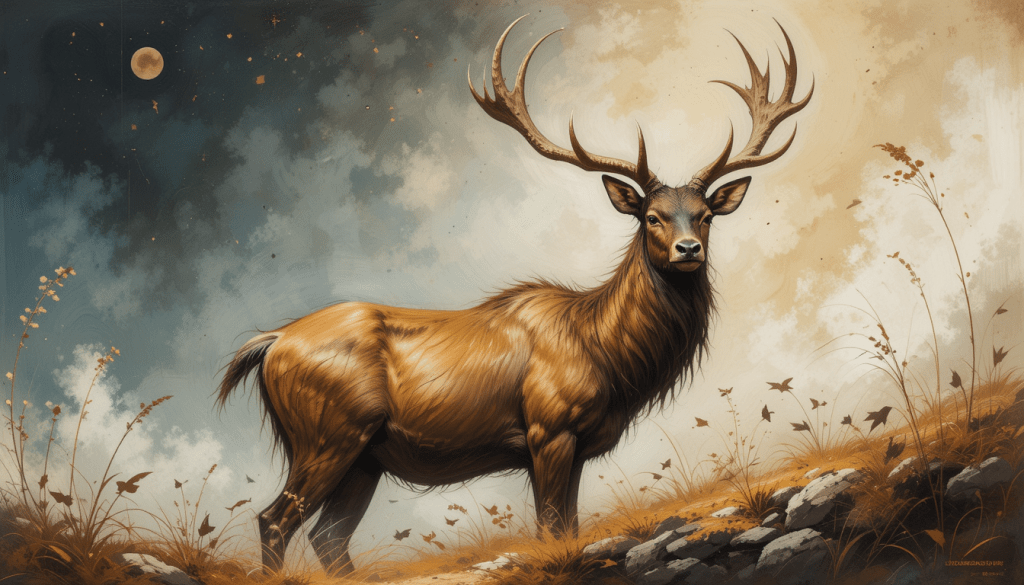
Rangifer refers to a genus of deer that encompasses reindeer and caribou (Rangifer tarandus), a species widely recognized for its adaptability to Arctic and subarctic climates. These herbivorous mammals are celebrated for their large, branched antlers—a feature shared by both males and females, which is unusual among deer species. Rangifer is integral to the ecosystems, cultures, and economies of the northern regions they inhabit.
The term is often used in scientific or ecological contexts to discuss the biology, behavior, and ecological role of these remarkable animals. Depending on geographic and cultural distinctions, Rangifer is referred to as reindeer (Eurasia) or caribou (North America).
Examples in Use:
- “The annual migration of Rangifer herds is a marvel of nature, spanning thousands of miles across the tundra.”
- “Scientists have been studying the effects of climate change on Rangifer populations, as they are highly sensitive to environmental changes.”
- “Rangifer plays a critical role in Arctic food chains and indigenous cultures, providing sustenance, tools, and clothing.”
Detailed Explanation:
Rangifer tarandus is one of the most well-adapted species to life in extreme conditions. These animals have evolved unique characteristics that enable them to thrive in the Arctic and subarctic regions, making them a subject of great interest in ecology, zoology, and even cultural studies.
Physical Adaptations:
- Fur and Insulation: Rangifer has a dense coat made of hollow, air-filled hairs that trap warmth, providing excellent insulation in freezing temperatures. This fur also helps them float during river crossings.
- Hooves: Their large, broad hooves are incredibly versatile, acting like snowshoes in winter to prevent them from sinking into snow. In summer, the hooves become softer and more flexible for gripping wet or boggy terrain.
- Antlers: Both male and female Rangifer grow antlers, which they use for defense, dominance displays, and digging through snow to access food. Antler shedding occurs annually, with males typically shedding them after mating season, while females keep theirs longer to protect resources for their calves.
- Eyesight: Rangifer eyes change color with the seasons, turning from gold in summer to blue in winter. This adaptation enhances their ability to see in low light, crucial for surviving long Arctic winters.
Diet and Migration:
- Diet: Rangifer primarily feeds on lichens (commonly known as reindeer moss), grasses, shrubs, and other vegetation. Lichens are a critical winter food source, providing carbohydrates during the lean months.
- Migration: Known for one of the longest migrations of any land mammal, Rangifer herds can travel over 3,000 miles annually, following seasonal food availability. This migration is a spectacular natural phenomenon and a cornerstone of Arctic ecology.
Etymology:
The genus name “Rangifer” comes from Latin, where rangifer means “reindeer” or “caribou.” The word is likely rooted in Old Norse and Scandinavian languages, reflecting the animal’s importance in the folklore and livelihoods of northern European peoples. The species name tarandus also derives from Latin, referencing the deer-like characteristics of these animals.
Synonyms and Related Terms:
- Reindeer (common name in Europe and Asia)
- Caribou (common name in North America)
- Arctic deer
- Tundra grazer
Cultural Significance:
- Indigenous Peoples:
For indigenous Arctic communities such as the Sámi (Scandinavia), Inuit (North America), and Nenets (Russia), Rangifer has been a vital resource for thousands of years. These communities rely on Rangifer for:- Food (meat and milk)
- Clothing (fur and hide)
- Transportation (sled-pulling in some regions)
- Tools (antlers and bones used for crafting weapons, utensils, and ornaments).
- Global Symbolism:
Rangifer is associated with endurance, adaptability, and connection to nature. They are also prominent in modern culture, especially as Santa Claus’s reindeer, symbolizing magic, generosity, and the holiday spirit.
Ecological Role:
Rangifer is a keystone species in Arctic and subarctic ecosystems. They influence vegetation patterns by grazing and serve as prey for predators such as wolves and bears. Their migratory behavior also helps redistribute nutrients across vast landscapes, enriching the soil and supporting other forms of life.
Threats and Conservation:
Rangifer populations face several challenges:
- Climate Change: Warming temperatures and changing snow patterns disrupt their migratory routes and food availability.
- Habitat Loss: Industrial development, such as mining and oil drilling, encroaches on their natural habitats.
- Predation and Overhunting: While Rangifer populations are still relatively large, some herds have experienced declines due to increased predation and unsustainable hunting practices.
Conservation efforts focus on habitat preservation, mitigating climate change, and supporting indigenous-led sustainable practices.
Takeaway:
Rangifer is more than just an animal—it’s a symbol of resilience, an essential component of Arctic ecosystems, and a cornerstone of many northern cultures. Whether known as reindeer or caribou, these remarkable creatures inspire awe with their incredible adaptations, epic migrations, and deep connection to human history and survival in some of the most extreme environments on Earth.
Originally published on December 22, 2024, on The-English-Nook.com.
Rangifer: Nature’s masterpiece of resilience and Arctic survival.
A like from you would keep this journey smooth, no icy patches ahead! ❄️🦌
 Word of the Day - The English Nook
Leave a comment