
IPA: /krəˈnɒmɪtri/
Definition:
Chronometry is the science and practice of accurately measuring and tracking time. It involves the development, refinement, and use of tools and techniques to ensure precise timekeeping, which is essential for various scientific, navigational, and daily applications.
Examples in Context:
- “The advancement of chronometry revolutionized sea navigation by enabling sailors to calculate longitude accurately.”
- “Modern chronometry relies on atomic clocks to measure time with unparalleled precision.”
- “Ancient civilizations used sundials and water clocks as early forms of chronometry.”
Etymology:
The term chronometry derives from the Greek words χρόνος (chronos), meaning “time,” and μέτρον (metron), meaning “measure.” The word entered English in the late 18th century as advancements in timekeeping instruments gained prominence, particularly during the scientific revolution.
Tools and Applications:
- Historical Tools:
- Sundials: Used shadows cast by the sun to estimate the time of day.
- Water Clocks (clepsydrae): Measured time based on the flow of water.
- Hourglasses: Used sand to track short intervals.
- Mechanical Chronometry:
- Pendulum Clocks: Invented in the 17th century by Christiaan Huygens, they significantly improved timekeeping accuracy.
- Marine Chronometers: Pioneered by John Harrison in the 18th century, these devices allowed sailors to measure longitude at sea accurately.
- Modern Advances:
- Quartz Clocks: Rely on vibrations of quartz crystals to maintain consistent time.
- Atomic Clocks: Use the vibrations of atoms, such as cesium or rubidium, to measure time with extreme precision, essential for GPS and scientific research.
- Applications:
- Astronomy: Measuring celestial events with high accuracy.
- Navigation: GPS and traditional maritime navigation.
- Everyday Life: From setting alarms to scheduling tasks.
Relation to Other Disciplines:
- Chronology: The study of historical time sequences.
- Horology: The art and craft of making clocks and watches.
- Physics: Especially in relativity and quantum mechanics, where precise time measurement is crucial.
Examples of Precision in Chronometry:
- Atomic Clocks:
- The most accurate atomic clocks lose only one second in millions of years.
- Vital for GPS systems, as even microsecond errors can lead to significant location inaccuracies.
- Astronomical Chronometry:
- Calculating the time of eclipses, planetary transits, and other celestial phenomena with extraordinary precision.
- Chronometric Dating:
- Techniques like radiocarbon dating use time-measuring principles to determine the age of archaeological finds.
Synonyms and Related Terms:
- Timekeeping: General term for recording and tracking time.
- Horology: The study of time and the devices used to measure it.
- Metrology: The broader science of measurement, including time.
Cultural and Historical Significance:
- Ancient Civilizations:
- The Egyptians and Mesopotamians developed early timekeeping tools like sundials and shadow clocks.
- The Chinese water clock was a key innovation in early chronometry.
- Scientific Revolution:
- The invention of pendulum clocks marked a turning point in precision, influencing physics, astronomy, and navigation.
- Modern Era:
- Chronometry underpins technological advancements, from smartphones to space exploration.
Takeaway:
Chronometry, the science of measuring time, has been central to humanity’s progress, influencing fields as diverse as navigation, physics, and daily life. From ancient sundials to atomic clocks, advancements in chronometry reflect humanity’s quest to understand and control the passage of time. Its precision shapes modern technologies and underscores our dependence on accurate timekeeping in a fast-paced, interconnected world.
Originally published on December 9, 2024, on The-English-Nook.com.
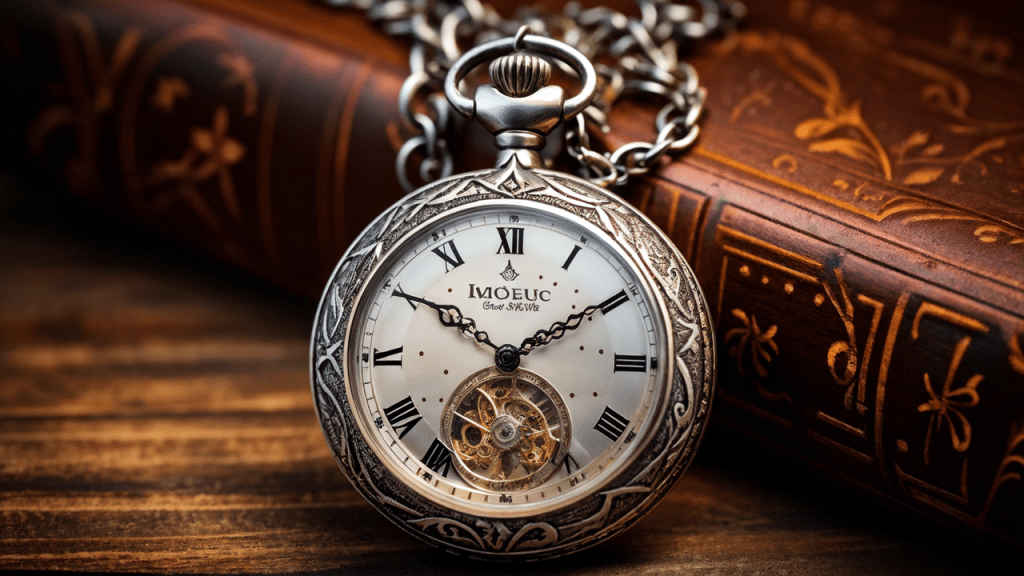
From sundials to atomic clocks—chronometry measures our journey through time with precision and purpose!
Tick-tock—don’t let the perfect second for a like slip away! ⏰🌟
 Word of the Day - The English Nook
Leave a comment