
IPA: /nuː ˈwʊmən/
Definition:
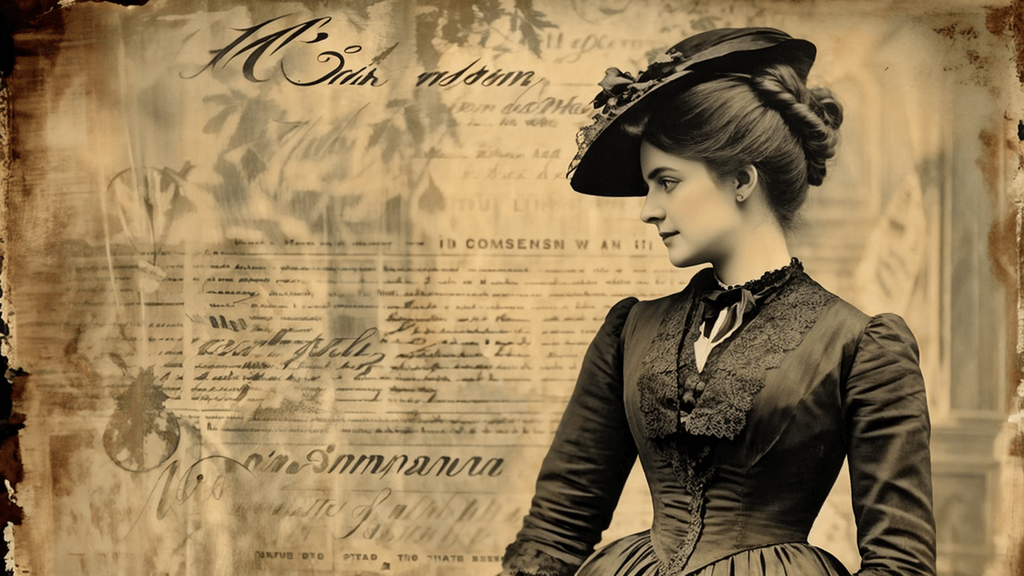
The term New Woman refers to an archetype that emerged in the late 19th and early 20th centuries, describing a modern, independent, and self-sufficient woman who rejected traditional gender roles and sought autonomy in various aspects of life, including education, employment, and personal freedom. This figure symbolized a cultural shift towards gender equality and challenged societal norms that confined women to domestic spheres.
Examples in Context:
- “The character in the novel embodies the ideals of the New Woman, pursuing higher education and advocating for social reform.”
- “As the New Woman gained momentum, traditionalists expressed concerns about the erosion of family values.”
- “Virginia Woolf’s writings often explored the internal and external struggles faced by the New Woman in a patriarchal society.”
Etymology:
The phrase New Woman first gained prominence in the late 19th century, often attributed to British writer Sarah Grand, who used it in an 1894 essay to describe women challenging traditional roles. It quickly became a cultural and literary term associated with feminist movements of the time.
Historical Context:
The New Woman emerged during an era of significant social, economic, and political change:
- Industrial Revolution: Women began entering the workforce in larger numbers, seeking financial independence.
- Education Reforms: Access to higher education allowed women to pursue careers and intellectual endeavors.
- Feminist Movements: The fight for suffrage and legal rights propelled the New Woman as a symbol of progress and modernity.
- Literary and Artistic Depictions: Writers such as Virginia Woolf, Henrik Ibsen (A Doll’s House), and Kate Chopin (The Awakening) explored the complexities and struggles of this figure.
Characteristics:
The New Woman often displayed the following traits:
- Independence: Economically, intellectually, and socially.
- Progressive Views: Advocacy for women’s suffrage, access to education, and personal freedom.
- Breaking Norms: Rejecting traditional expectations of marriage, childbearing, and domesticity.
- Modern Appearance: Fashion choices like shorter skirts, simpler hairstyles, and even smoking cigarettes in public symbolized rebellion.
Synonyms and Related Terms:
- Feminist pioneer
- Suffragette (related to political activism)
- Progressive woman
- Modern woman
Cultural and Literary Significance:
- Literature:
- Henrik Ibsen’s play A Doll’s House (1879) portrayed a woman who leaves her husband and children to seek self-fulfillment, embodying the New Woman ideal.
- Kate Chopin’s The Awakening (1899) focused on a woman challenging societal constraints to assert her individuality.
- Art:
- Paintings and illustrations often depicted the New Woman riding bicycles, reading books, or engaging in activities typically reserved for men.
- Fashion:
The New Woman popularized more practical clothing, abandoning restrictive corsets for simpler attire that reflected their active and modern lifestyles.
Criticism and Controversy:
- Backlash: Critics of the New Woman often accused her of being selfish, unwomanly, or a threat to traditional family values.
- Cultural Satire: Newspapers and cartoons from the era often mocked the New Woman, portraying her as overly ambitious or neglectful of her “natural” roles.
Modern Relevance:
The New Woman concept paved the way for contemporary feminism and the ongoing struggle for gender equality. While societal expectations have continued to evolve, the ideals of autonomy and self-determination that the New Woman championed remain central to feminist discourse today.
Quotes:
- “The New Woman is a force to be reckoned with; she seeks no permission to live her life as she sees fit.”
- “Her voice was one of thousands, a choir of New Women demanding recognition and rights.”
Takeaway:
The New Woman was a revolutionary figure in her time, embodying the aspirations and challenges of women breaking free from the constraints of traditional roles. Her legacy resonates in modern discussions of equality and individuality, reminding us of the enduring fight for personal and societal liberation.
Originally published on December 6, 2024, on The-English-Nook.com.
Breaking boundaries, rewriting norms, and paving the way for modern feminism!
Tap like, darling, because progress never stops, and neither should you. 🌟🚀
 Word of the Day - The English Nook
Leave a comment