
IPA: /bəˈzɑːr/
Definition:
- Traditional Marketplace:
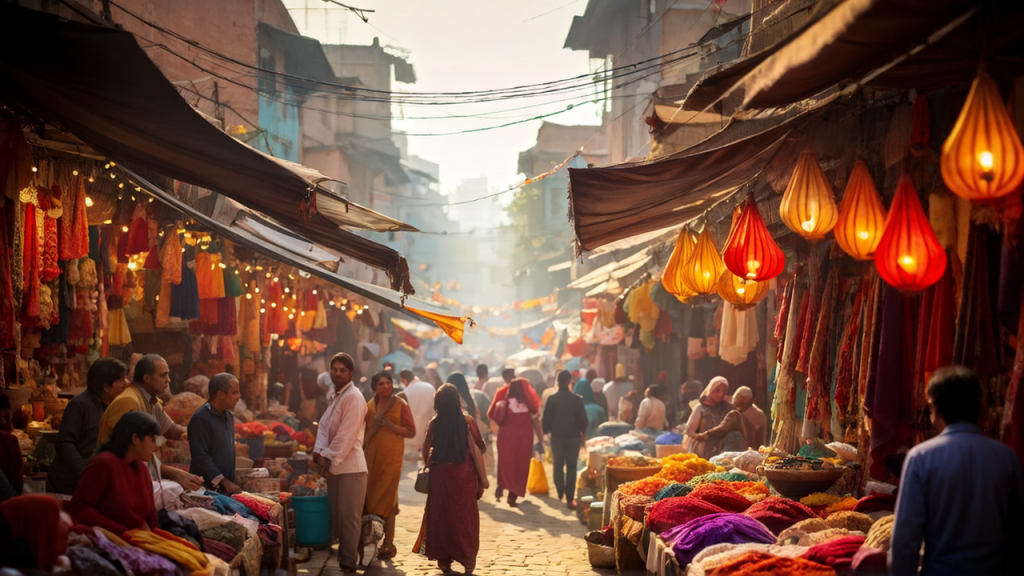
- A bazaar is a lively and often sprawling marketplace, commonly found in the Middle East, South Asia, North Africa, and other regions influenced by these cultures. Here, merchants sell a wide array of goods, including spices, textiles, jewelry, ceramics, and other crafts. These markets are known for their bustling atmosphere, vibrant displays, and intricate networks of alleyways.
- Charitable or Themed Market:
- In contemporary usage, the term can also describe a temporary or themed market, often organized as a fundraising event or fair, where various items are sold, typically for charitable purposes.
Examples:
- “The Grand Bazaar in Istanbul, with its 61 covered streets and over 4,000 shops, is a treasure trove for shoppers and a historic wonder.”
- “At the holiday bazaar, local artisans showcased their handcrafted ornaments and festive treats.”
Etymology:
The word bazaar originates from the Persian bāzār (بازار), meaning “market” or “place of prices.” It entered the English lexicon around the late 16th century, reflecting the growing European fascination with Eastern trade routes and exotic goods. The term spread globally alongside the expansion of trade networks like the Silk Road, reinforcing its association with bustling hubs of commerce.
Cultural and Historical Significance:
- Ancient Trade Hubs:
- Bazaars were essential to ancient and medieval economies, particularly along trade routes such as the Silk Road and the Spice Route. These markets facilitated the exchange of not just goods but also ideas, technologies, and cultural practices.
- Notable historical bazaars include the Grand Bazaar in Istanbul and the Khan el-Khalili in Cairo, both of which remain iconic to this day.
- Social Spaces:
- In addition to being centers of commerce, bazaars were vital community gathering points. They were places where people could meet, exchange news, and engage in social and political discussions.
- Architectural Wonders:
- Some bazaars, especially those in large cities, were built as covered markets with ornate architectural designs. They often featured grand domes, intricate tile work, and courtyards, making them not just economic centers but also symbols of urban sophistication and cultural pride.
Modern Context:
In contemporary society, bazaar can refer to various types of markets beyond the traditional setting:
- Flea Bazaars: Specialize in second-hand goods or vintage items.
- Craft Bazaars: Focus on handmade or artisanal products, often featuring local craftspeople.
- Holiday Bazaars: Seasonal markets selling gifts, decorations, and festive foods.
Many cities now host themed bazaars as cultural events, drawing on their historical significance to create a unique shopping experience.
Synonyms:
- Marketplace
- Souk (used in Arabic-speaking regions)
- Fair
- Emporium
- Market
Related Terms:
- Souk: An Arabic term for a similar type of market, often in the open air.
- Shuk: The Hebrew equivalent of a traditional marketplace.
- Emporium: A large store or market offering a wide variety of goods.
Examples in Context:
- Travel and Exploration:
- “Tourists often find themselves enchanted by the chaotic charm of Marrakech’s bazaar, where the air is thick with the scent of saffron and the sounds of haggling merchants.”
- Local Events:
- “The school’s spring bazaar brought the community together to enjoy live music, food stalls, and a variety of local crafts.”
- Literature and Art:
- “In novels and films, the bazaar is often depicted as a place of intrigue and adventure, where hidden treasures and unexpected encounters abound.”
Symbolism and Cultural Impact:
The bazaar has long been symbolic of cultural exchange and diversity. It represents the meeting of different worlds—merchants from distant lands, customers from all walks of life, and goods that carry the essence of their origin. This idea of a vibrant, interconnected world finds modern parallels in international trade fairs and even digital marketplaces like eBay, which emulate the bazaar’s spirit in a virtual space.
Interesting Facts:
- Grand Bazaar of Istanbul: One of the world’s oldest and largest covered markets, it attracts over 250,000 visitors daily.
- Khan el-Khalili in Cairo: Famous for its traditional crafts and historical cafés, this bazaar has been a focal point of Egyptian culture for centuries.
- UNESCO Recognition: Some bazaars, like those in Iran, are part of UNESCO World Heritage Sites due to their historical and cultural significance.
Takeaway:
The bazaar is more than a simple marketplace; it is a dynamic cultural institution, rich in history and tradition. Whether as a hub of trade in ancient cities or a festive event in modern communities, bazaars continue to captivate with their vibrancy, diversity, and timeless charm.
Step into a bazaar—where history meets hustle, and every corner tells a story!
Step right up! A like here is the best trade of the day. 🌟🛍️
 Word of the Day - The English Nook
Leave a comment