
IPA: /kaɪˈmɪərə/ or /kɪˈmɪərə/
Definition:
- Mythological Context: A fire-breathing creature from Greek mythology, typically depicted as a hybrid with the body and head of a lion, a goat’s head arising from its back, and a serpent as its tail.
- Biological Context: An organism or tissue containing cells from two or more distinct zygotes, often resulting from genetic engineering or natural processes like organ transplants or cellular fusion.
- Figurative Context: A fanciful or wildly imaginative idea, hope, or goal that is unrealistic or impossible to achieve.
Etymology:
Derived from the Greek word χίμαιρα (khimaira), meaning “she-goat,” which referred to the mythical creature. The term later expanded metaphorically to describe things that are fantastical or unattainable. It entered English in the 14th century through Latin.
Synonyms:
- Mythological: Hybrid, monster, amalgam
- Figurative: Illusion, fantasy, delusion, mirage
Examples in Context:
- “The chimera in Greek mythology was slain by the hero Bellerophon.”
- “Scientists have created a human-pig chimera to study organ transplants.”
- “His dream of creating a utopia was nothing more than a chimera.”
Different Contexts of Chimera:
1. Mythology
- The chimera was a terrifying creature in ancient Greek lore, associated with chaos and destruction. It terrorized the region of Lycia until it was defeated by Bellerophon, who rode the winged horse Pegasus.
- Often used as a symbol of unnatural combinations or monstrous hybrids.
2. Biology
- Genetic Chimeras: Organisms containing cells with different genetic compositions, such as those arising from the fusion of embryos.
- Medical Research: Chimeras are used in biomedical fields for advancements in organ transplantation and understanding genetic diseases.
3. Figurative Usage
- Represents an unattainable or fantastical goal, often highlighting the futility or impracticality of certain ambitions.
- Example: A person pursuing perpetual motion machines or utopian ideals may be said to be chasing a chimera.
Cultural and Philosophical Significance:
- The mythological chimera reflects human fascination with hybrid creatures, symbolizing the unnatural or impossible.
- The biological chimera raises ethical questions in genetics and biotechnology, such as the boundaries of human intervention in nature.
- Figuratively, the concept warns against unrealistic pursuits or fantasies that divert attention from practical goals.
Modern Relevance:
- In Science: Genetic engineering and synthetic biology have brought the chimera into real-world discussions, pushing the limits of what’s possible in medicine and technology.
- In Literature: Frequently used as a metaphor for human ambition, the blending of identities, or the fear of the unnatural.
- In Philosophy: Examines the ethical implications of creating chimeras, whether through genetic manipulation or in cultural representations.
Trivia:
- The term “chimera” has inspired numerous artistic and literary works, symbolizing the grotesque or the miraculous.
- In heraldry, chimera-like creatures often serve as emblems of power or chaos.
- Modern interpretations in science fiction often depict chimeras as genetically engineered creatures, blending mythology with futuristic possibilities.
Key Takeaway:
The chimera is a multifaceted concept blending mythology, biology, and metaphor. From its fearsome origins in Greek legend to its symbolic representation of unattainable dreams, the chimera embodies humanity’s simultaneous fascination with and fear of the hybrid, the impossible, and the unknown.
Originally published on November 20, 2024, on The-English-Nook.com.
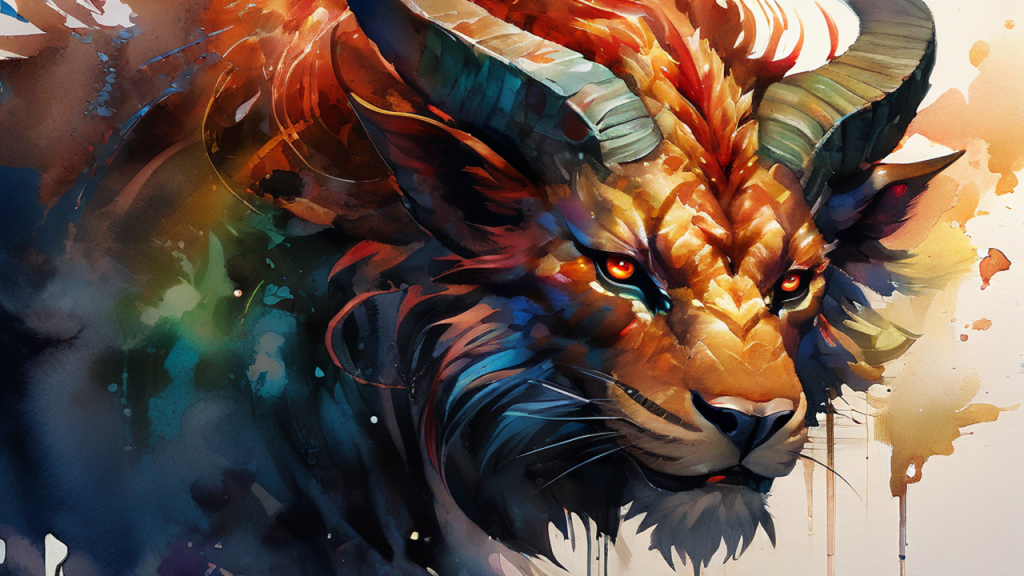
Tap like, and let this creation become a harmonious blend of the extraordinary. 🦁🐐🐍
 Word of the Day - The English Nook
Leave a comment