
IPA: /ˈzɪərəfaɪt/
Detailed Definition
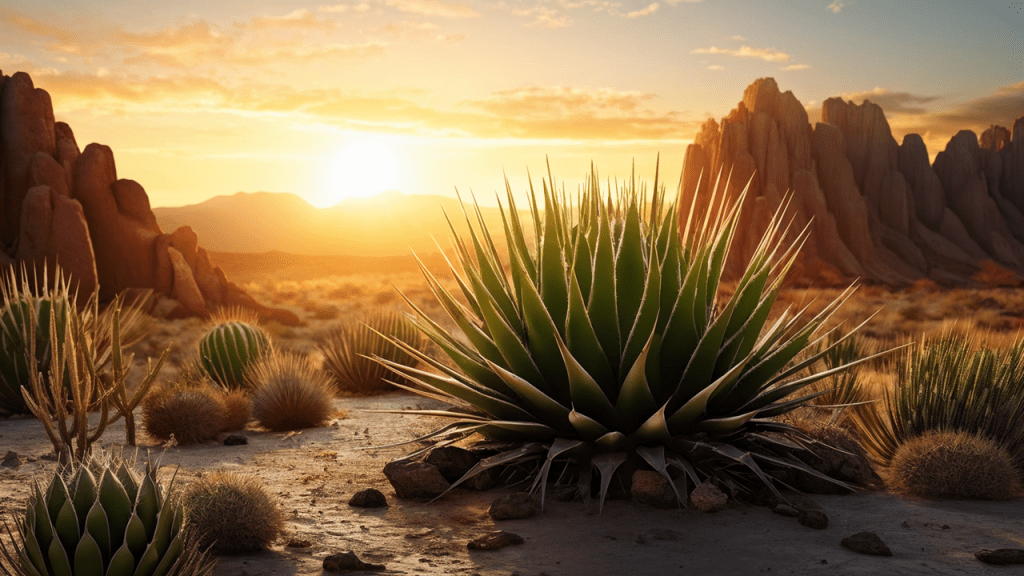
A xerophyte is a plant that has adapted to survive in environments with limited water availability, such as deserts or arid regions. Xerophytes possess unique physiological and structural features—such as thick, waxy cuticles, reduced leaf surfaces, deep or spreading root systems, and water-storing tissues—that minimize water loss and help them conserve moisture. These plants often exhibit slow growth rates to avoid rapid depletion of their water reserves and are highly resilient to extreme drought conditions.
Etymology
The term xerophyte comes from the Greek roots xero- meaning “dry” and -phyte meaning “plant.” The term was first used in botanical contexts in the late 19th century as botanists sought to classify plants based on their environmental adaptations.
Synonyms
- Drought-resistant plant
- Desert plant
- Succulent (subset of xerophytes)
- Water-conserving plant
Antonyms
- Hydrophyte (water-loving plant)
- Mesophyte (plant adapted to moderate environments)
- Aquatic plant
Usage in Different Contexts
- Botany:
- “The cactus is a classic example of a xerophyte, with adaptations such as a thick, fleshy stem for storing water.”
- Ecology:
- “Xerophytes play a crucial role in desert ecosystems, providing shelter and food for a variety of animals.”
- Environmental Science:
- “As climate change progresses, the range of xerophytes may expand, potentially influencing local flora and fauna.”
Examples of Xerophytes
- Cacti: Known for their thick, fleshy stems and spines, cacti are perhaps the most well-known xerophytes and are native to the Americas.
- Aloe Vera: This succulent plant has water-storing leaves and is adapted to grow in arid conditions, where it is prized for its medicinal properties.
- Yucca: Found in North and Central America, the yucca plant has tough, sword-like leaves that reduce water loss and is often seen in desert landscapes.
- Sagebrush: Common in the American West, sagebrush has small, silver-gray leaves with a waxy coating to reduce water evaporation.
Adaptations of Xerophytes
- Thick, Waxy Cuticles: This reduces water loss by creating a barrier that prevents water evaporation from the plant’s surface.
- Reduced Leaf Area: Many xerophytes have small or no leaves, decreasing the surface area through which water can escape.
- Water-Storing Tissues: Succulent xerophytes like cacti store water in their stems or leaves for use during prolonged dry periods.
- Extensive Root Systems: Some xerophytes have deep roots to reach underground water, while others have shallow, spreading roots to capture surface moisture quickly.
Ecological Importance
Xerophytes are vital to desert and arid ecosystems. By providing food and shelter to various organisms, they support complex food webs in areas where few plants can survive. Their presence also helps prevent soil erosion, as their roots anchor the soil in regions that experience infrequent but intense rainfall.
Understanding the Nuance of “Xerophyte”
The study of xerophytes has broad implications, from understanding climate adaptation to developing sustainable agricultural practices in drought-prone areas. These resilient plants demonstrate an extraordinary ability to adapt to harsh environments, and their study can inspire water-efficient technologies and drought-resistant crop development, which are essential as global water scarcity becomes an increasing challenge.
Originally published on November 13, 2024, on The-English-Nook.com.
A single like would be a drop of water in this arid expanse, a rare and cherished gift. 💧🌵
 Word of the Day - The English Nook
Leave a comment