
Pronunciation: /pəʃˈtuːnˌwɑːli/
Detailed Explanation
Pashtunwali is the traditional honor code and lifestyle followed by the Pashtun people, primarily in Afghanistan and Pakistan. This code emphasizes values like hospitality, respect for others, personal and family honor, justice, and courage. The principles within Pashtunwali serve as a moral framework guiding social interactions, community structure, and conflict resolution, often functioning independently of formal government or religious law.
Key Principles of Pashtunwali
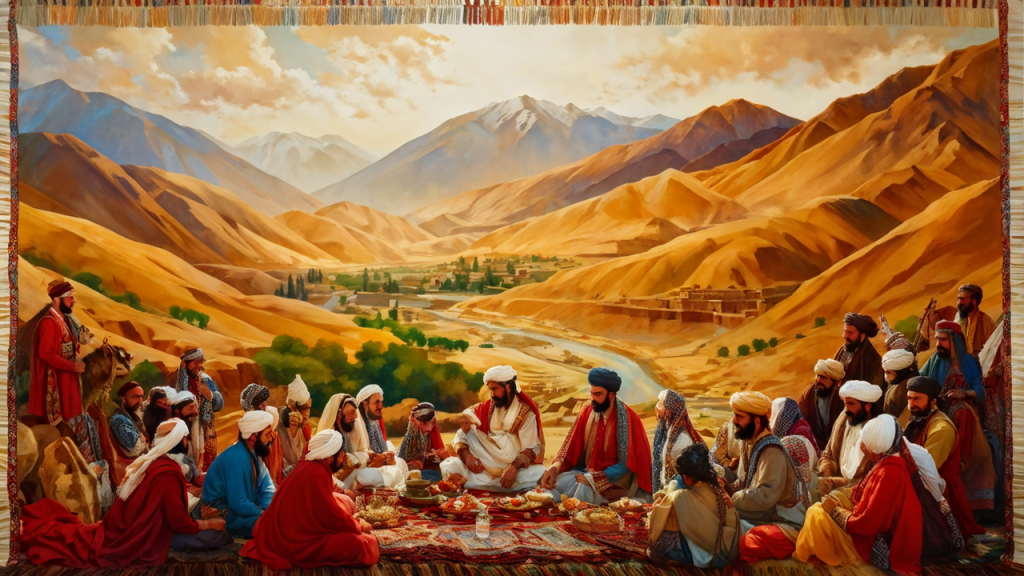
- Melmastia (hospitality): The obligation to show hospitality to all guests, including strangers and even enemies, offering them food, shelter, and protection.
- Badal (justice and revenge): An essential value within Pashtunwali that dictates a duty to seek justice or vengeance when one’s honor or that of their family is harmed.
- Nanawatai (asylum or sanctuary): The right to request protection and asylum, regardless of the seeker’s background, which must be honored by the host.
- Nang (honor): Personal and familial honor, which is central to a Pashtun’s sense of self and social standing.
- Tura (bravery): Valuing courage and heroism in protecting one’s honor, land, and family.
Etymology
The term Pashtunwali originates from the Pashto words Pashtun (referring to the ethnic group) and wali, meaning “way” or “custom.” It translates roughly to “the way of the Pashtuns” or “Pashtun code.”
Related Concepts
- Code of Honor: Similar traditional codes in various cultures that dictate ethical behavior and social responsibilities.
- Jirga: An assembly of elders that mediates disputes and enforces Pashtunwali principles in Pashtun society.
- Honor Culture: A cultural framework that places significant value on honor and shame, impacting social behavior and personal relationships.
Usage in Context
Pashtunwali functions as an unwritten but widely respected rule of conduct in Pashtun communities:
- Conflict Resolution: In many cases, local disputes are settled by Jirgas, based on Pashtunwali principles rather than state laws.
- Social Structure: Pashtunwali upholds the family and community as the central units of support, dictating loyalty and obligations within these networks.
- Cultural Preservation: Even among Pashtuns living outside of Afghanistan and Pakistan, Pashtunwali is a respected way of maintaining cultural identity.
Examples
- “Many Pashtun communities in rural Afghanistan continue to follow Pashtunwali to settle disputes without involving governmental authorities.”
- “Through the principle of nanawatai, Pashtunwali emphasizes the protection of any person who seeks refuge, even an enemy.”
Significance of Pashtunwali
Pashtunwali is more than a set of values; it is a complex moral and ethical guide that has been practiced for centuries, encapsulating the Pashtuns’ sense of identity and resilience. Although modern influences and legal systems have increasingly impacted the Pashtun regions, Pashtunwali remains deeply influential, often shaping the social, ethical, and political dynamics of Pashtun communities.
Originally published on November 5, 2024, on The-English-Nook.com.
A like from you would honor this post with nang, a true mark of respect and courage. 🏞️🤲
 Word of the Day - The English Nook
Leave a comment