
/wɜːm/
Detailed Explanation
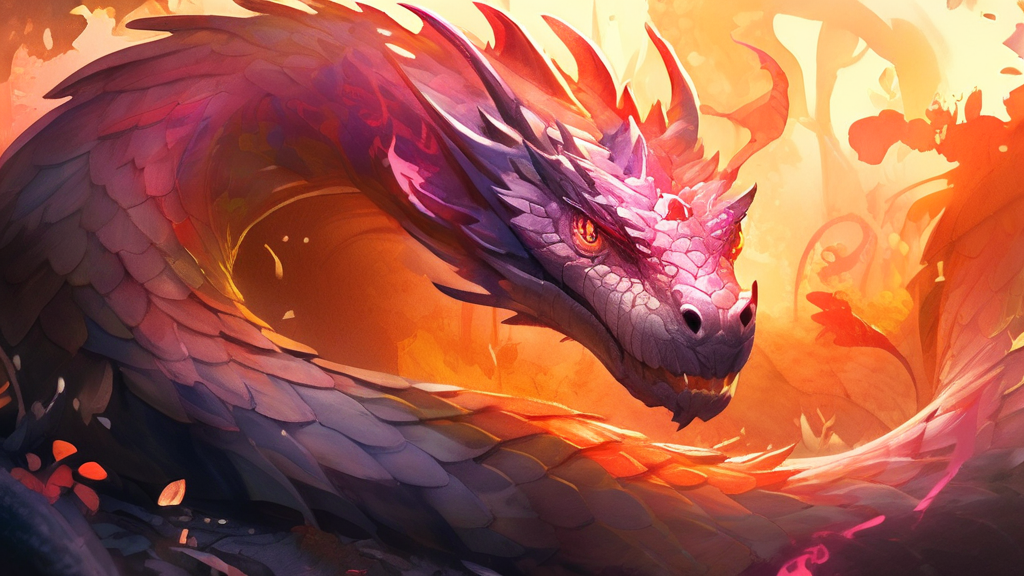
A wyrm is a noun that refers to a large, serpent-like creature with dragon-like attributes, often seen in mythology, folklore, and fantasy literature. In medieval tales, wyrms are depicted as fearsome, ancient creatures dwelling in dark caves, desolate wastelands, or deep within forests. Typically wingless, wyrms represent primal forces of nature, embodying themes of chaos, death, or dread. While often wingless, wyrms share traits with their dragon relatives, including scales, immense strength, and occasionally, venom or fire-breathing abilities.
Etymology
The term wyrm has its roots in Old English, wyrm, meaning “serpent” or “dragon.” Its cognates are found in Old Norse ormr and German Wurm, with connections to the modern English word “worm.” In early Germanic languages, these terms often referred to large, supernatural serpents, underscoring a close relationship between serpentine creatures and the formidable dragons of ancient lore.
Synonyms
- Serpent
- Dragon
- Monster
- Beast
- Leviathan
Usage in Sentences
- Folklore: “Legends spoke of the wyrm that guarded the mountain’s depths, its coils stretching for miles beneath the earth.”
- Fantasy Literature: “The knight braved the forest, determined to find and destroy the wyrm that had terrorized the villagers for generations.”
- Mythology: “It was said that Jörmungandr, the great wyrm of Norse myth, lay beneath the ocean, his massive body encircling the world.”
Mythological and Folkloric Context
In medieval European lore, wyrms frequently embodied chaos and destruction, serving as forces of nature that heroes would often confront to demonstrate bravery or strength. These creatures were powerful, intelligent, and sometimes endowed with magical qualities, like venomous breath or hypnotic gazes. Norse mythology describes a massive sea-wyrm, Jörmungandr, whose destructive nature would signal the beginning of Ragnarök, the Norse apocalypse. In Anglo-Saxon and other medieval tales, wyrms hoard treasure, guard secrets, and can only be defeated by those possessing great courage and strength.
Real-World Example
- Cultural Influence: Wyrms have inspired countless modern fantasy and gaming lore. For example, J.R.R. Tolkien’s The Hobbit features the dragon Smaug, a character inspired by wyrms and dragons from Old English and Norse myths. Modern RPG games also depict wyrms as powerful, ancient creatures with both magical and physical strength.
Related Concepts
- Dragon: Often similar in nature, dragons are frequently depicted with wings and fire-breathing abilities. While wyrms may lack wings, they share traits of mystery, danger, and ancient wisdom.
- Serpent: In many cultures, serpents hold symbolic significance as embodiments of death, transformation, and rebirth, similar to wyrms’ associations with the underworld and dark forces.
Understanding “Wyrm”
The wyrm as a symbol reflects deep-seated human fears of the unknown and untamable forces of nature. Although dragons may have evolved in popular culture to become more nuanced or even noble, wyrms retain a primal aura, connected to the earth and to mystery. They represent ancient powers and mysteries, embodying the rugged, untamed wildness that has intrigued humans for millennia. This enduring fascination with wyrms reflects our ongoing intrigue with creatures that dwell on the borders of imagination and fear.
Originally published on October 27, 2024, on The-English-Nook.com.
O mortal, grant me thy like, and I shall treasure it within my hoard of old! 🐉💎
 Word of the Day - The English Nook
Leave a comment