
/ˈsæmʊˌraɪ/
Detailed Explanation
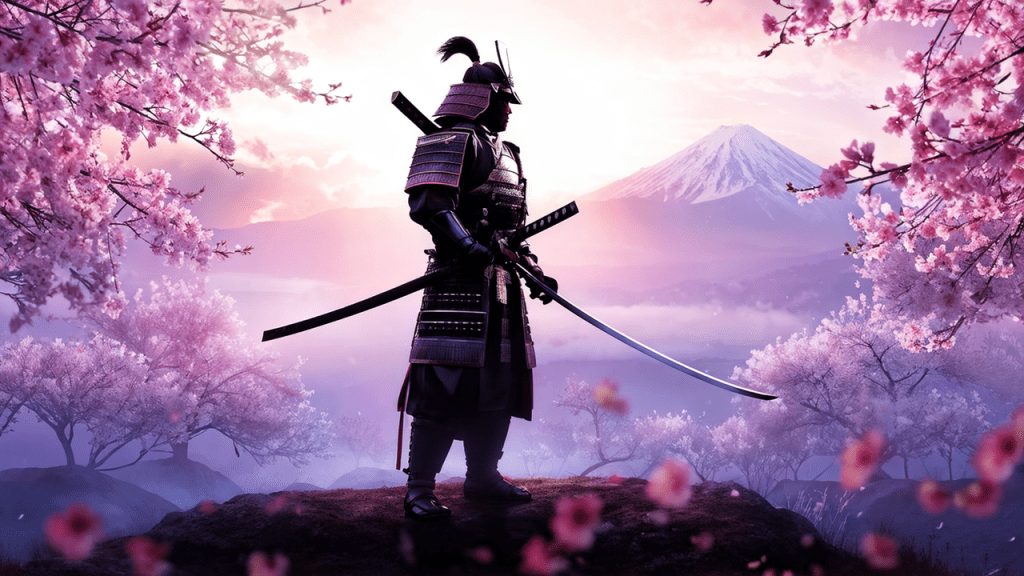
Samurai refers to the warrior class of feudal Japan, known for their military skill, strict code of honor, and loyalty to their daimyo (feudal lords). The samurai were originally military nobles who rose to prominence between the 10th and 12th centuries and played a key role in Japanese society until the 19th century. They were more than just warriors; they were also scholars, poets, and political figures, embodying the principles of bushido, a code that emphasized loyalty, discipline, courage, and self-sacrifice.
Etymology
The word samurai comes from the Japanese verb saburau (侍う), meaning “to serve,” particularly in the context of serving a lord or master. The term evolved to specifically refer to the elite military class who served the aristocracy in feudal Japan.
Synonyms
- Bushi
- Warrior
- Knight (in a broad, comparative sense)
- Retainer
- Ronin (if the samurai had no master or lord)
Usage in Sentences
- History: “The samurai were pivotal in shaping Japan’s feudal society and cultural heritage for centuries.”
- Literature: “Stories of the legendary loyalty of the 47 Ronin are among the most famous tales of samurai honor and sacrifice.”
- Cinema: “Films like Seven Samurai by Akira Kurosawa brought the ideals and struggles of the samurai to the world stage.”
Historical and Cultural Significance
The samurai had a significant impact on Japanese culture and society, both as warriors and as cultural figures. Their influence can be seen in the arts, philosophy, and even modern Japanese martial arts, such as kendo, which are derived from ancient samurai combat techniques.
- Bushido Code: The samurai adhered to a strict ethical code known as bushido, meaning “the way of the warrior.” Bushido stressed loyalty, honor, martial skill, and personal integrity. A violation of this code could lead to seppuku (ritual suicide), an act intended to restore one’s honor.
- Weaponry: Samurai are often associated with their iconic weapon, the katana—a curved, single-edged sword known for its sharpness and craftsmanship. However, they were also skilled in archery, horseback riding, and using other weapons like spears.
Examples in Literature
- Historical Records: Samurai have been chronicled in Japanese texts and folklore, including historical works like the Tale of the Heike, which details the Genpei War and the rise of the samurai class.
- Popular Fiction: Many modern works of literature and film, such as The Book of Five Rings by Miyamoto Musashi and The Hagakure by Yamamoto Tsunetomo, explore the philosophy, tactics, and way of life of the samurai.
Real-World Examples
- The Tokugawa Era: During the Edo Period (1603–1868), the samurai transitioned from warriors to bureaucrats, as a long period of peace reduced the need for constant warfare. Their role evolved to include governing and managing estates for their lords.
- Meiji Restoration: The samurai class was officially dissolved in the late 19th century during the Meiji Restoration, when Japan modernized its military and adopted Western practices. However, the values of bushido and the samurai spirit continue to influence Japanese culture.
Related Concepts
- Ronin: A samurai without a master or lord, often viewed as dishonored. Many stories and legends revolve around ronin and their quests to restore their honor.
- Martial Arts: Traditional Japanese martial arts, like judo, kendo, and iaido, have roots in the techniques and philosophies of the samurai.
Understanding the Samurai Legacy
The legacy of the samurai extends beyond their historical role as warriors. Their influence can still be felt in Japanese culture, from martial arts and traditional tea ceremonies to ideals of honor and loyalty that remain central in modern society. The samurai also serve as symbols of discipline, self-mastery, and dedication in contemporary culture worldwide, often romanticized in literature and film. Their code of conduct and commitment to their craft have left an enduring mark on the way people understand duty, loyalty, and personal responsibility.
Originally published on October 11, 2024, on The-English-Nook.com.
In the path of the samurai, even the smallest gesture, like a simple like, holds great meaning.
🌸🧘♂️🌸
 Word of the Day - The English Nook
Leave a comment