
/mɪsˈɡɪvɪŋ/
Detailed Explanation
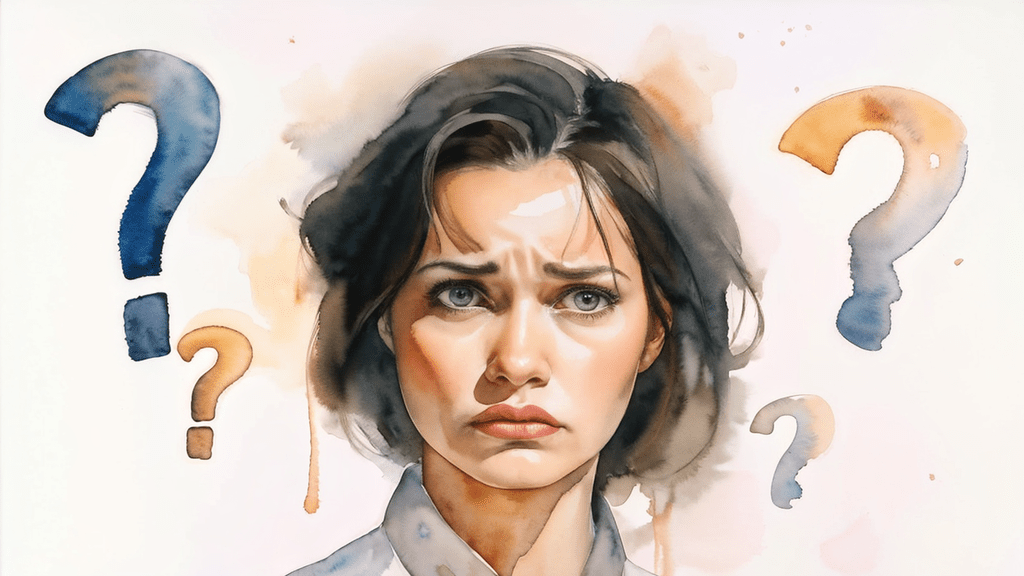
Misgiving refers to a feeling of doubt, unease, or apprehension about the outcome of something. It often suggests a sense of fear or worry that something may go wrong, or that an action or decision may not have been the best choice. Misgivings typically arise when a person lacks confidence in a situation or is concerned about its potential negative consequences.
Etymology
The word “misgiving” comes from Middle English, from the verb “misgive,” which means “to give doubt or cause anxiety.” It combines “mis-” (meaning “wrongly”) with “give,” reflecting the idea of a feeling or doubt being “given” or arising in someone’s mind.
Synonyms
- Doubt
- Unease
- Apprehension
- Qualm
- Scruple
- Foreboding
- Distrust
- Hesitation
- Reservation
Usage in Sentences
- General: “I had some misgivings about accepting the job offer, as the company’s future seemed uncertain.”
- Decision-Making: “Despite her misgivings, she decided to go ahead with the plan, hoping for the best.”
- Relationships: “He couldn’t shake his misgiving about trusting his friend with such sensitive information.”
Examples in Literature and Popular Culture
- Jane Austen’s Pride and Prejudice: Elizabeth Bennet expresses misgivings about her initial judgment of Mr. Darcy, realizing she may have been too quick to form an opinion.
- Shakespeare’s Macbeth: Macbeth is filled with misgivings and guilt after committing murder to seize the throne, which leads to his eventual downfall.
Real-World Examples
- Travel: Before embarking on a long journey, it’s common to feel misgivings about things like safety, unfamiliar cultures, or the logistics of travel.
- Investments: Investors often have misgivings when putting money into risky ventures, unsure of whether they will receive a return.
Related Concepts
- Apprehension: A feeling of anxiety or fear about something unpleasant that might happen.
- Foreboding: A strong feeling that something bad is about to happen. While similar to misgiving, foreboding often implies a more intense or ominous sense of impending doom.
- Hesitation: Pausing or holding back due to doubt or uncertainty, often linked to misgivings about a course of action.
Understanding the Nuance of Misgiving
“Misgiving” suggests a subtle or nagging doubt, rather than outright fear or panic. It reflects the inner tension between wanting to move forward with something and the feeling that there may be hidden risks. The term often comes into play in situations where decisions, trust, or the unknown are involved. Recognizing one’s misgivings can be important for making more informed or cautious decisions.
Originally published on October 5, 2024, on The-English-Nook.com.
Despite my misgiving,
I trust you’ll show some love with a like,
won’t you?
🙃💬
 Word of the Day - The English Nook
Leave a comment